

PULSE Ostrava 2026. A City Learning to Collaborate
Photos: Martin Faltejsek
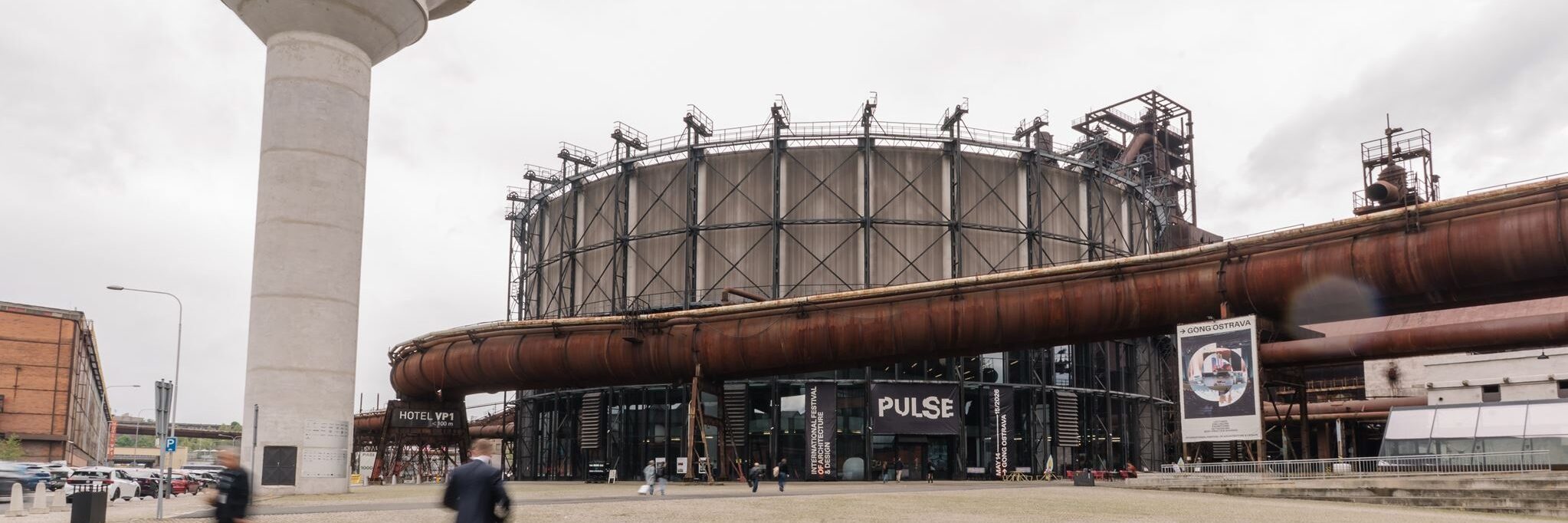
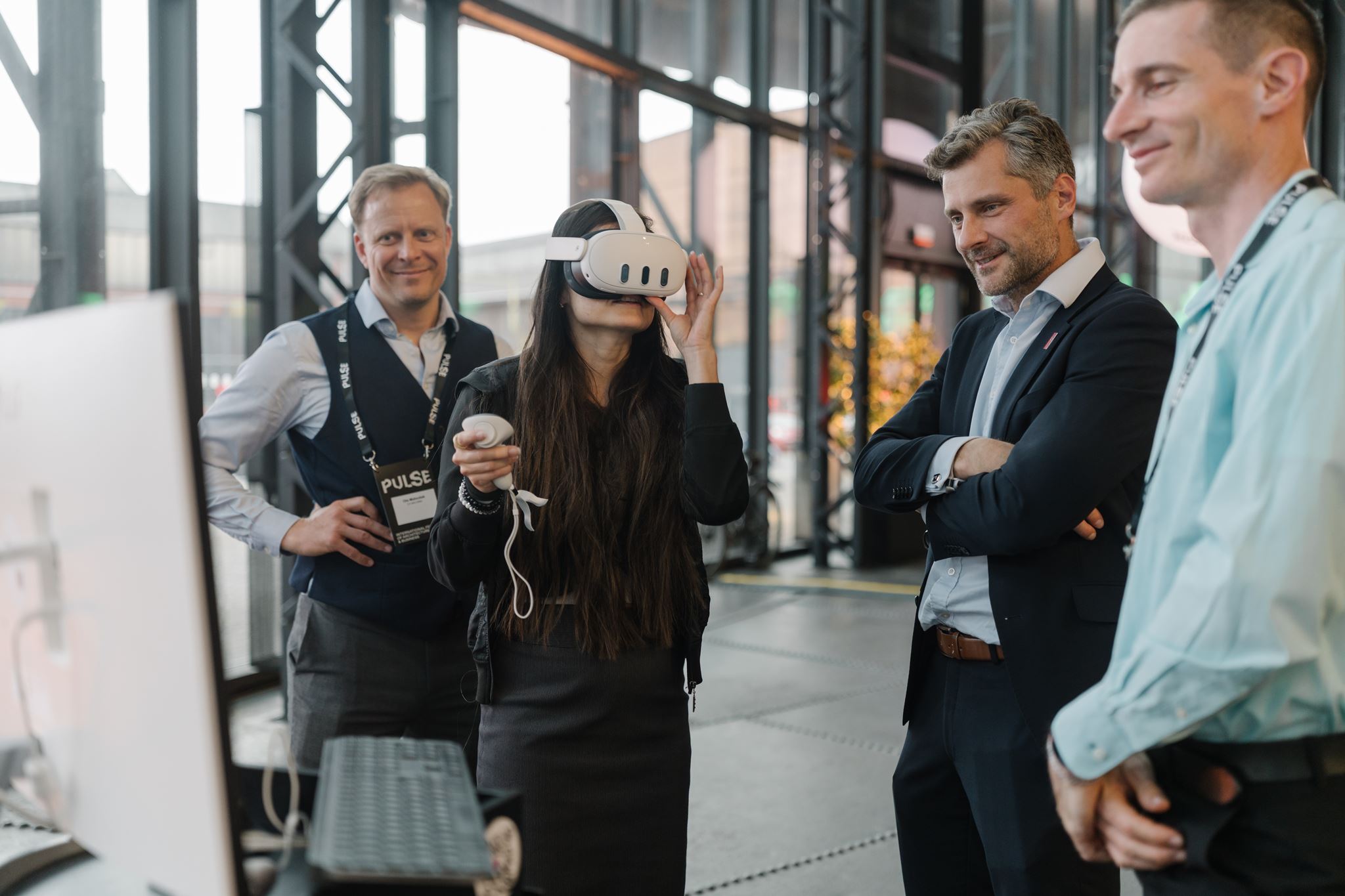
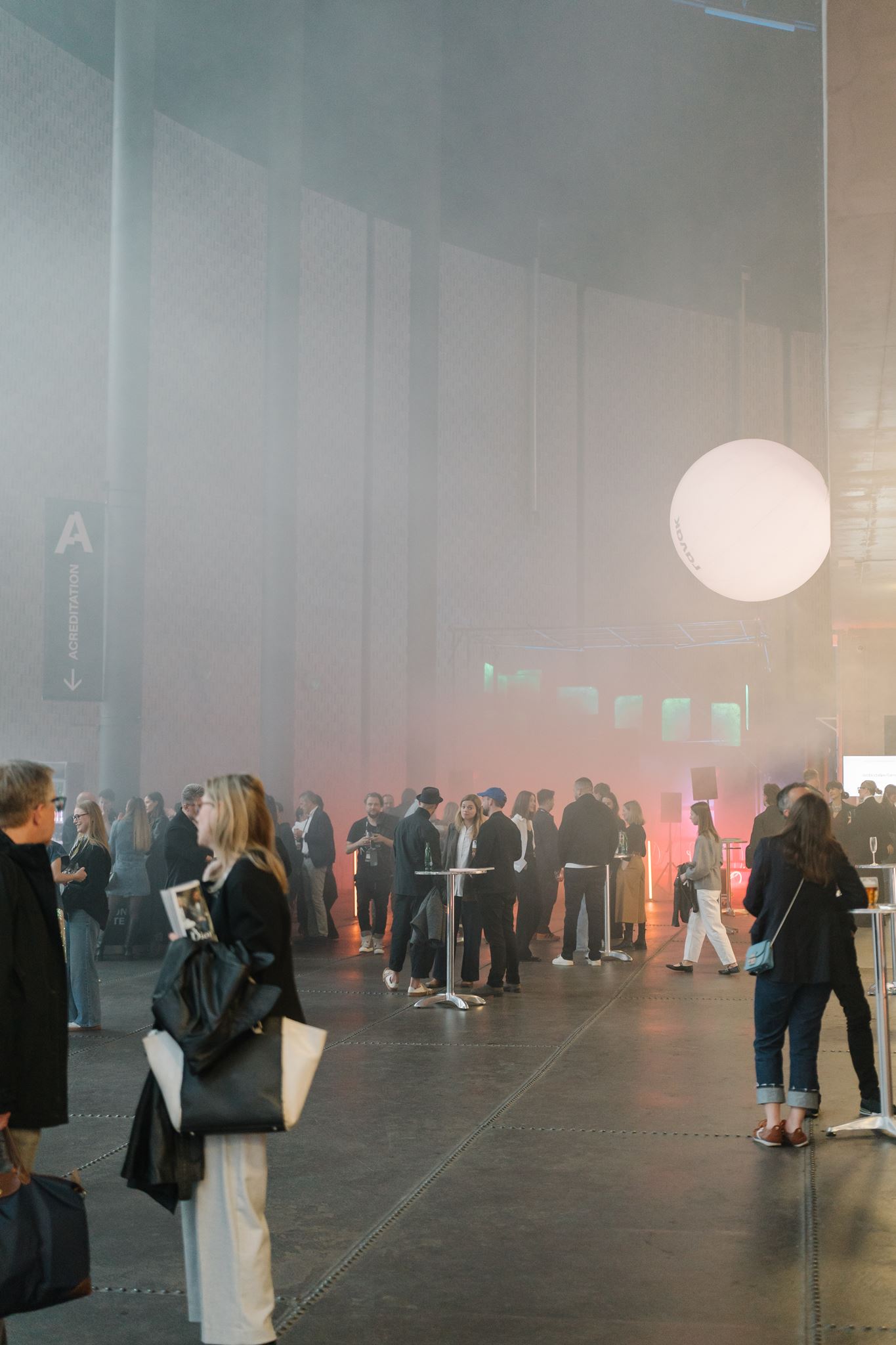
Ostrava has been redefining itself for some years now. A former city of heavy industry — steelworks, coking plants, coal mines — it is steadily converting its post-industrial heritage into the raw material of a new identity. Nowhere is this more legible than in Dolní Vítkovice. The former ironworks and coking facility no longer stands as an inert monument to an industrial past. It functions as a living district: a venue for culture, debate, music and exchange that demonstrates how transformation need not mean the erasure of history. It can mean learning to inhabit that history on entirely new terms.
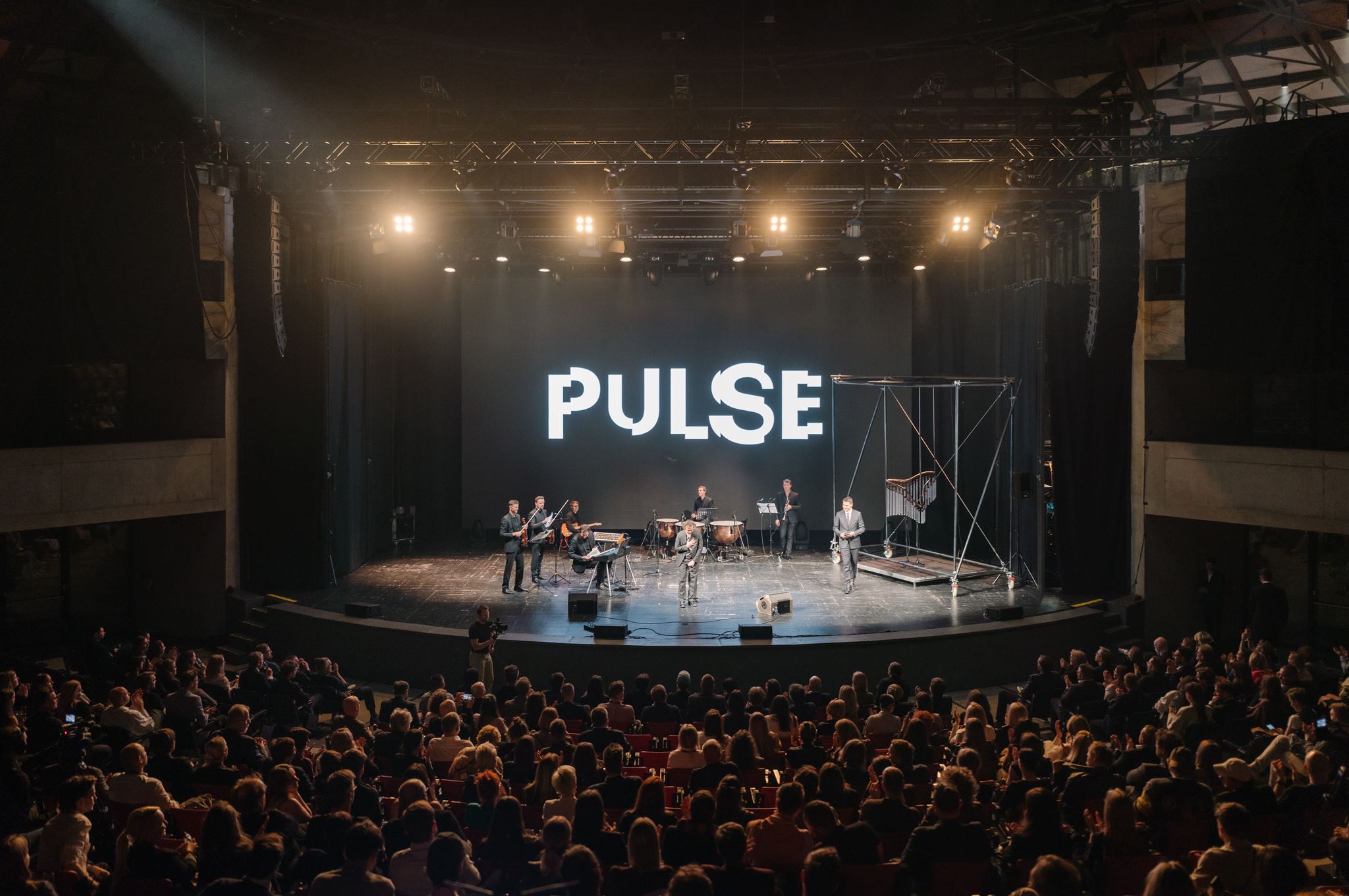
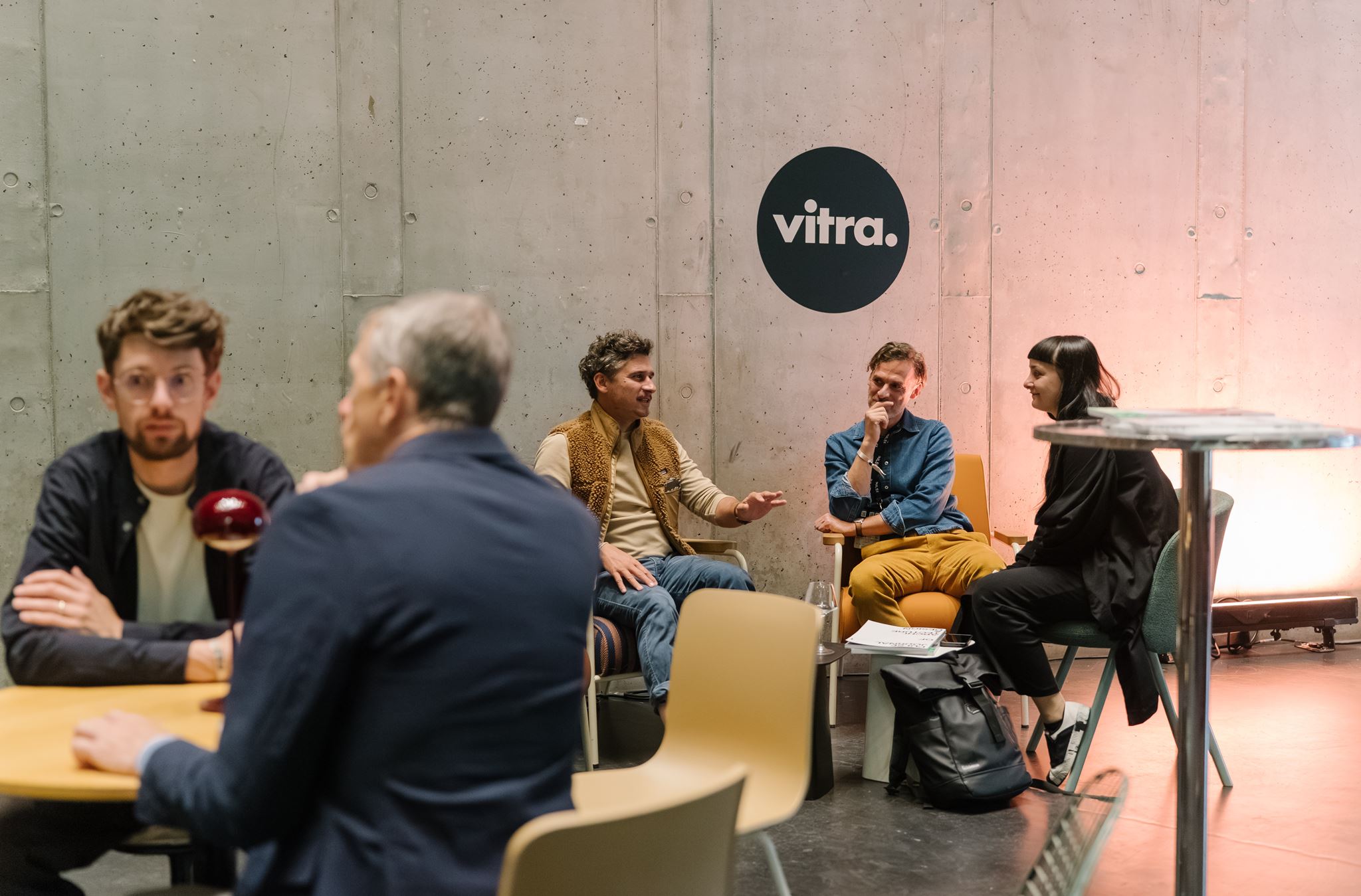
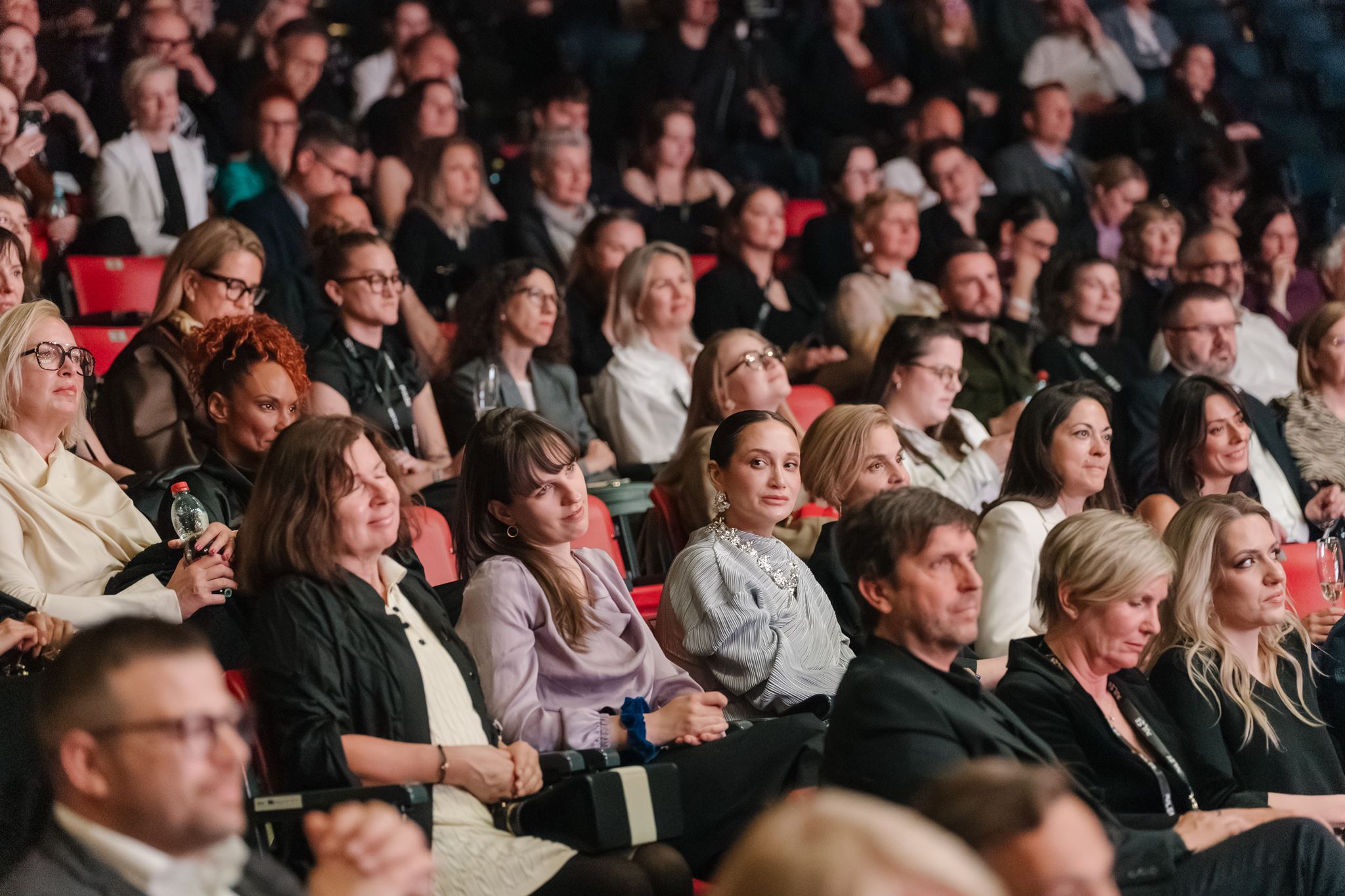
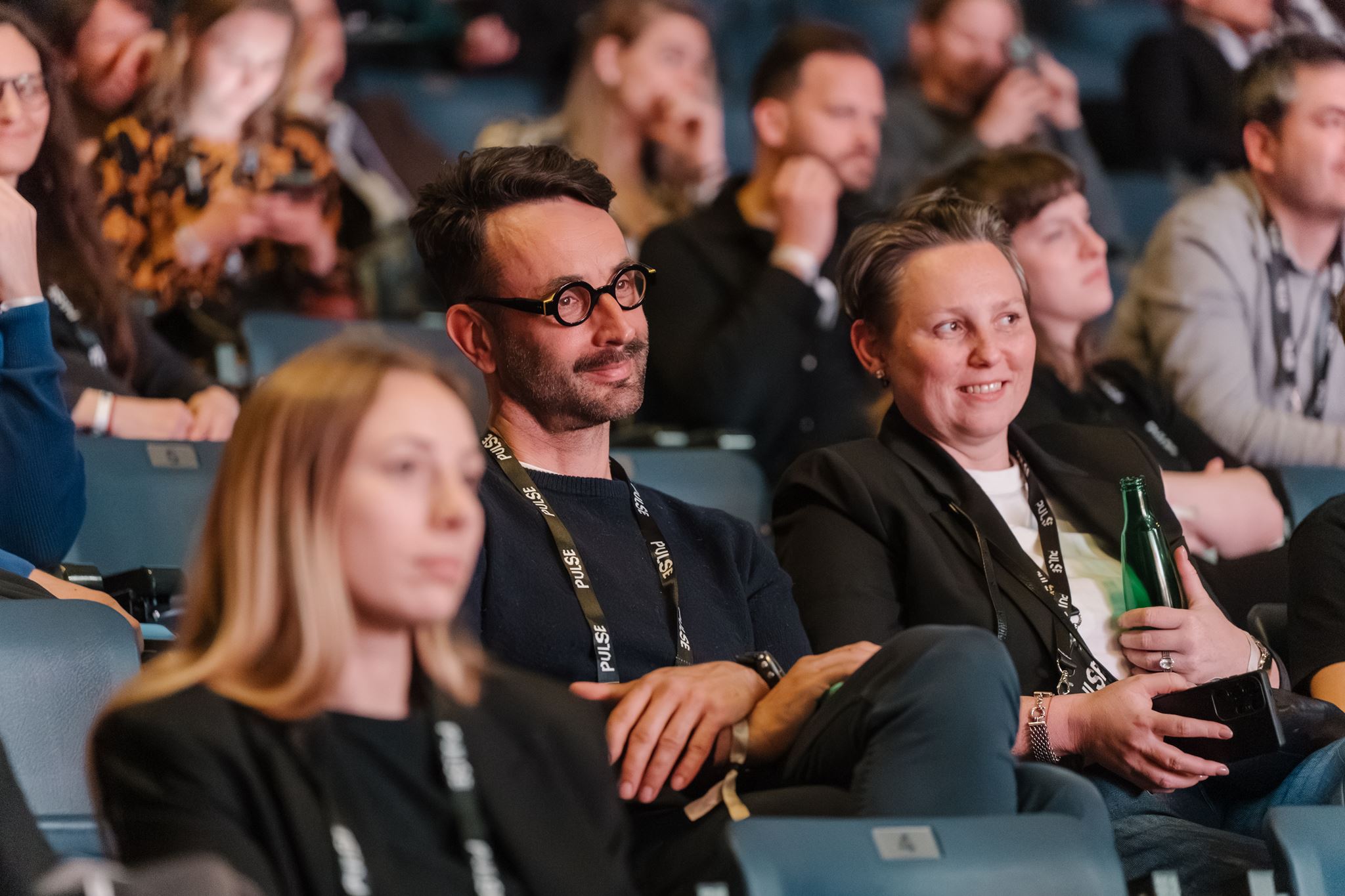
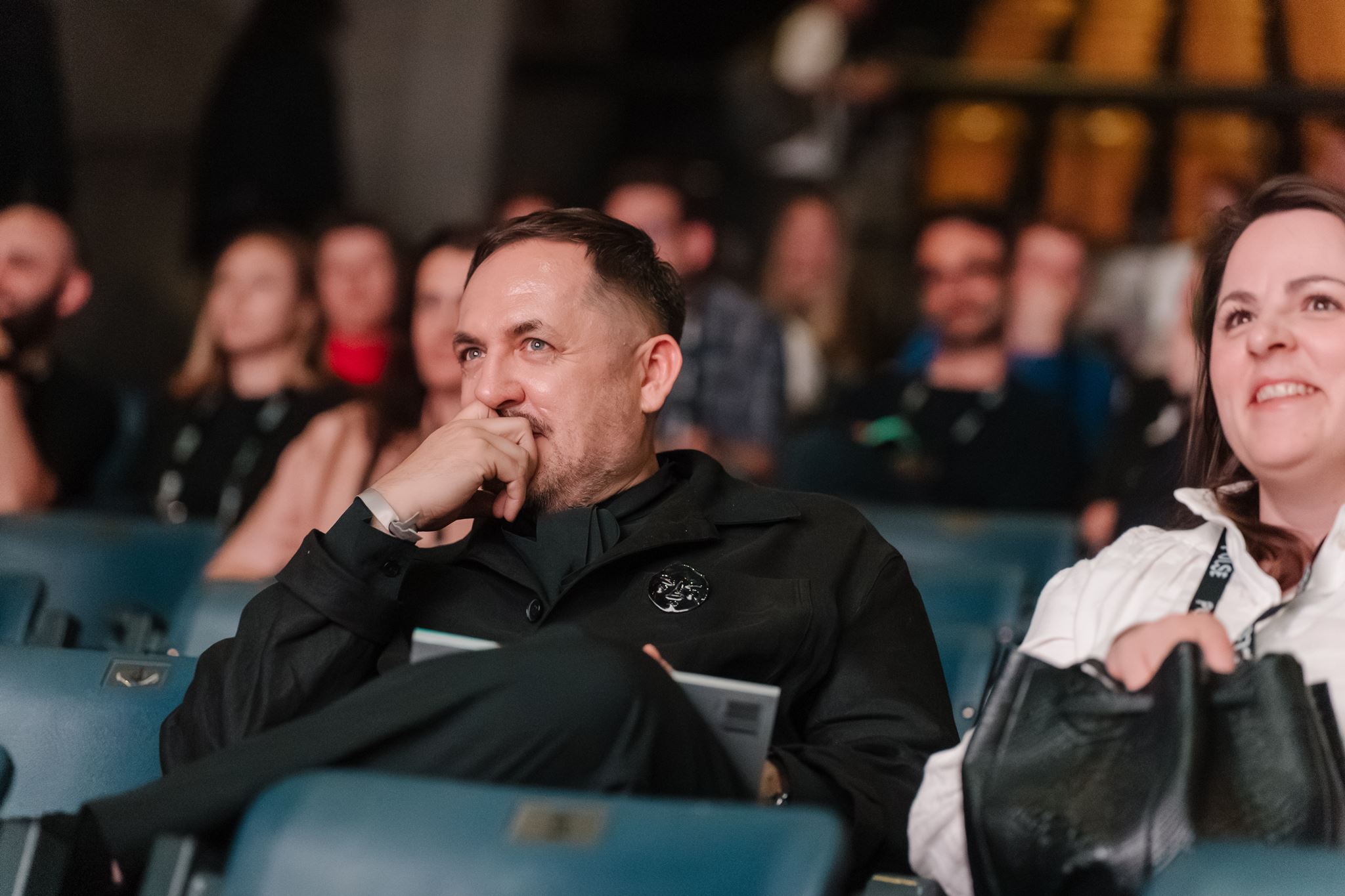
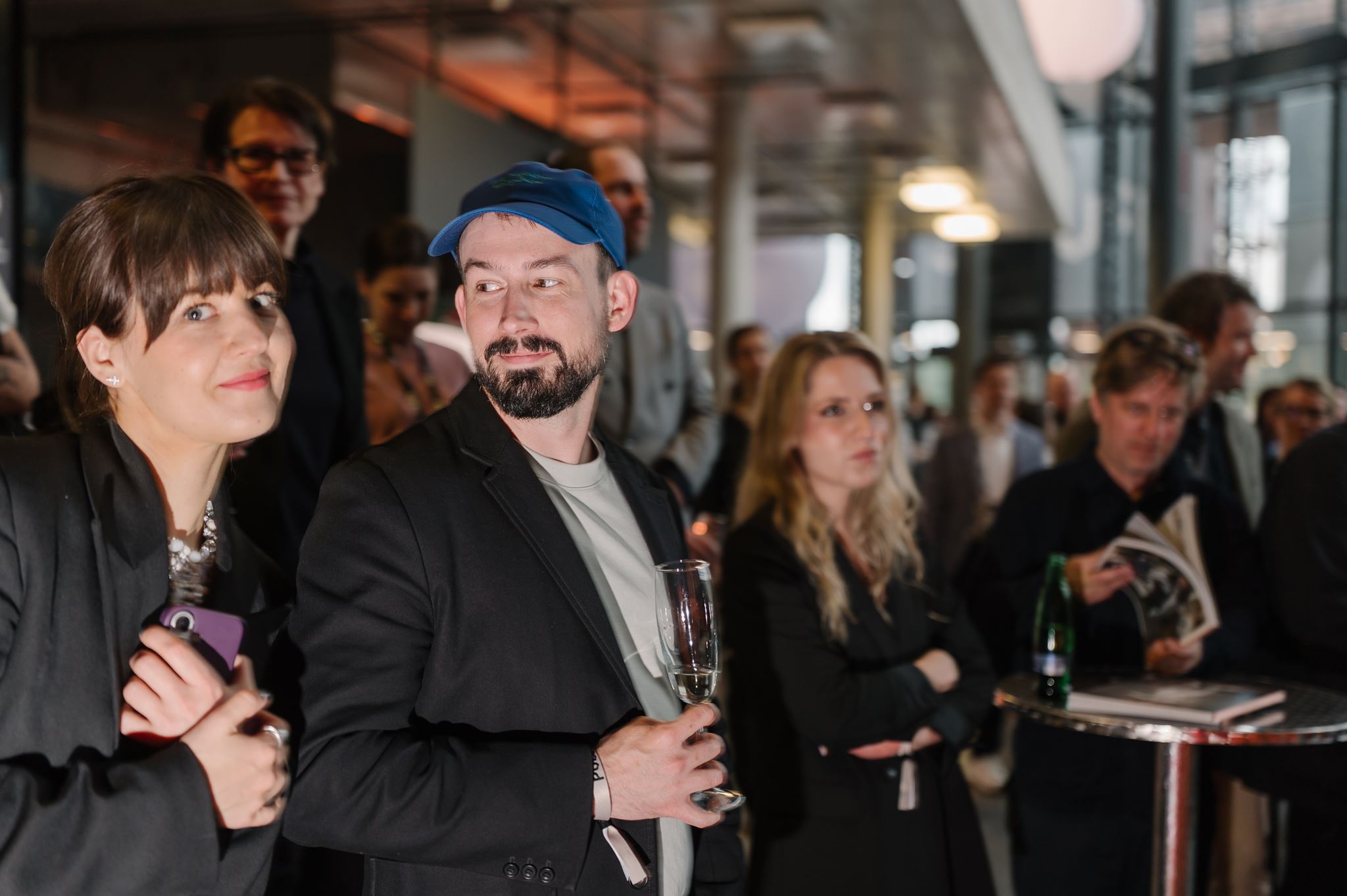
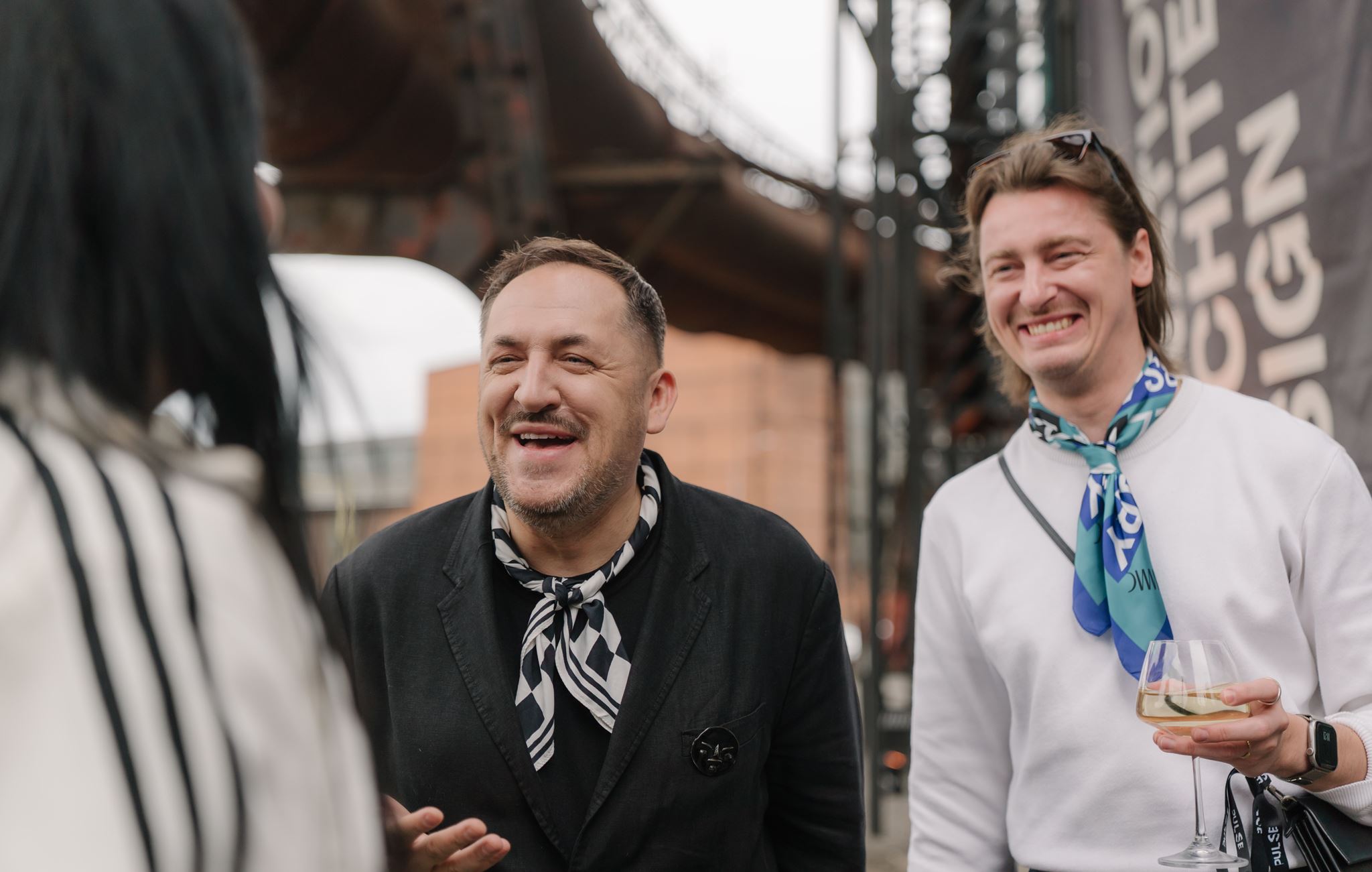
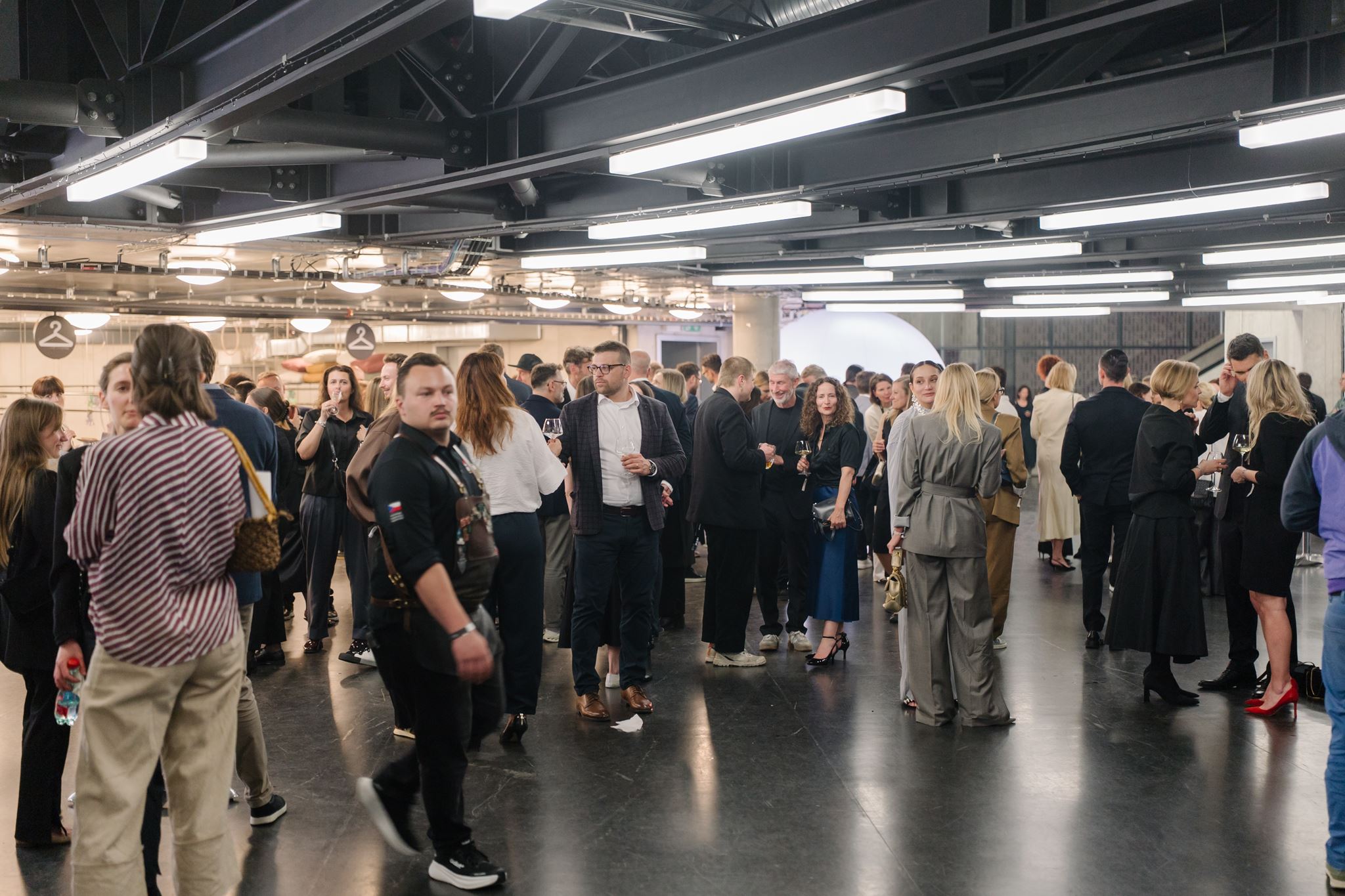
This context lends the PULSE festival a particular charge. PULSE runs twice a year — first in Ostrava, as a two-day conference, then in Prague as a single-day event and awards ceremony. This year’s Ostrava edition made plain that the festival has grown into something considerably more than a professional gathering focused on architecture and design. It is becoming one of the most substantive platforms for critical exchange in Central Europe: a space where architects, designers, manufacturers and cultural practitioners from Poland, the Czech Republic, Slovakia, Hungary and Austria attempt to speak in a shared voice — without intermediaries, and without perpetually deferring to Western European frameworks for what architecture should be today.
This is not a minor ambition. Central Europe has long operated as a set of parallel national narratives rather than a common field of experience. Each country developed its own language for discussing transformation, modernity and urban development. Yet the underlying conditions are strikingly convergent. The housing crisis, the energy transition, the emigration of young talent, political fragmentation, the uncertain future of city centres, the tension between collective memory and development pressure — these are regional conditions, not national ones. PULSE is attempting to build a forum in which they can be addressed as such.
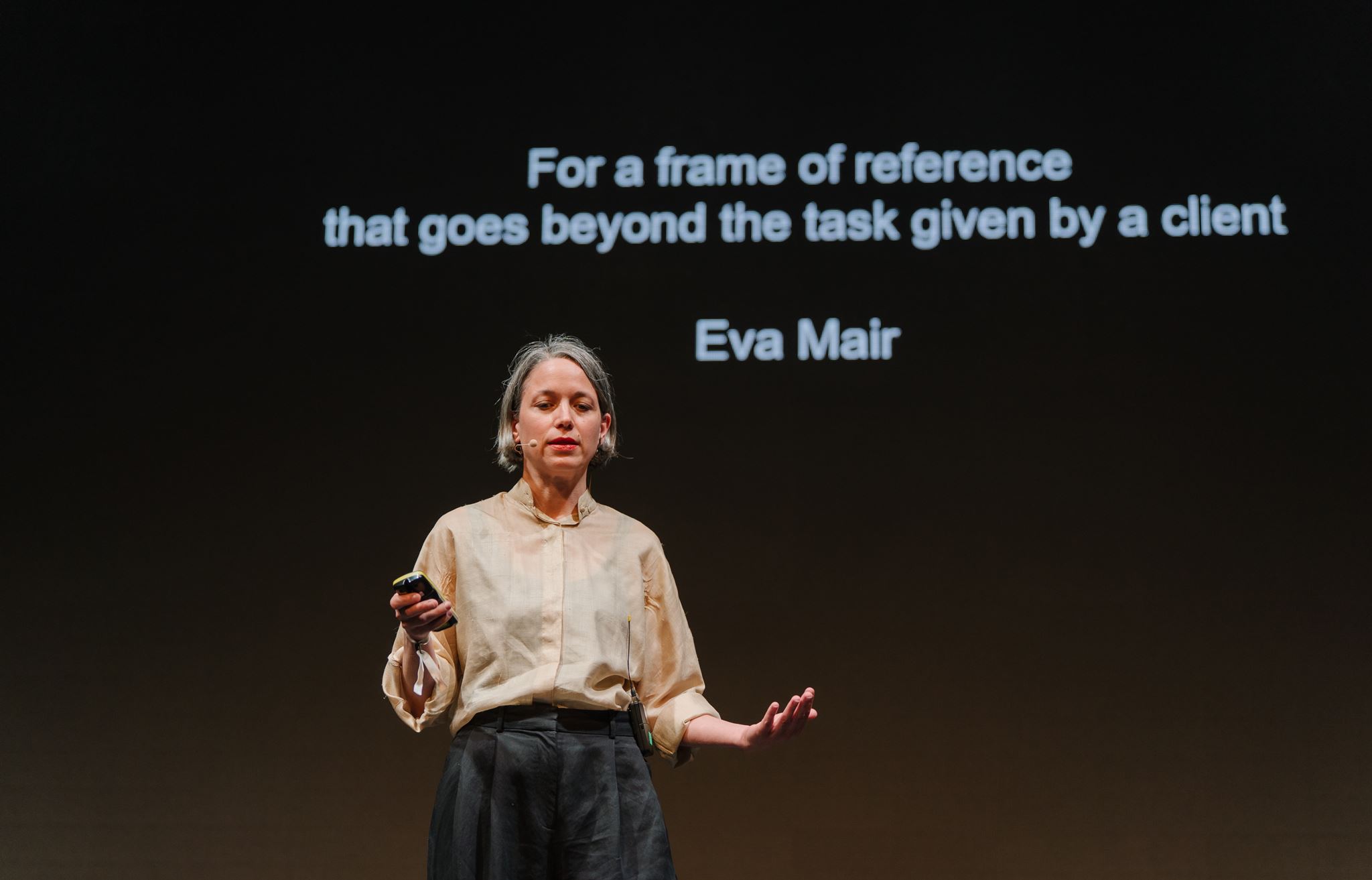
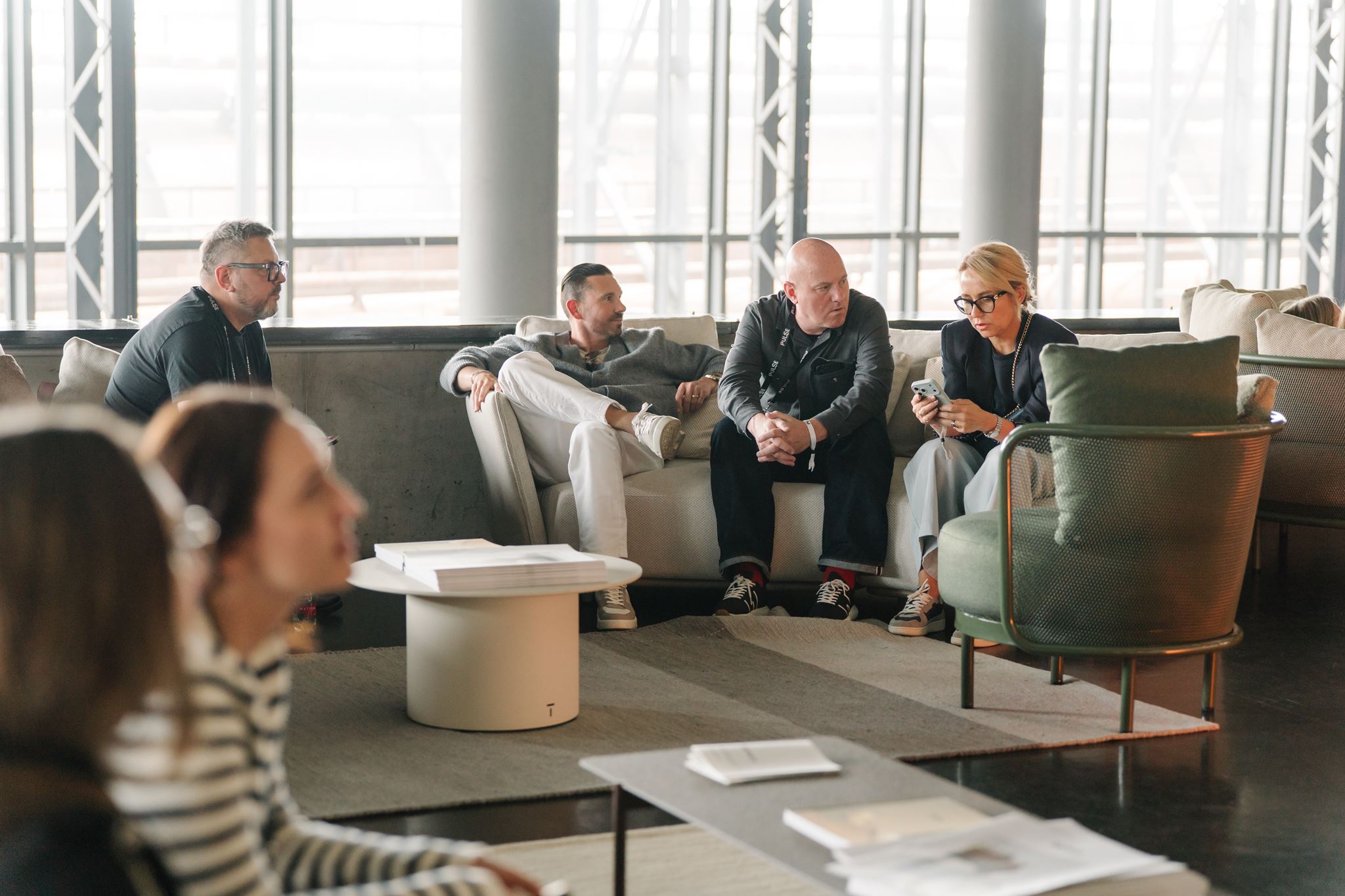
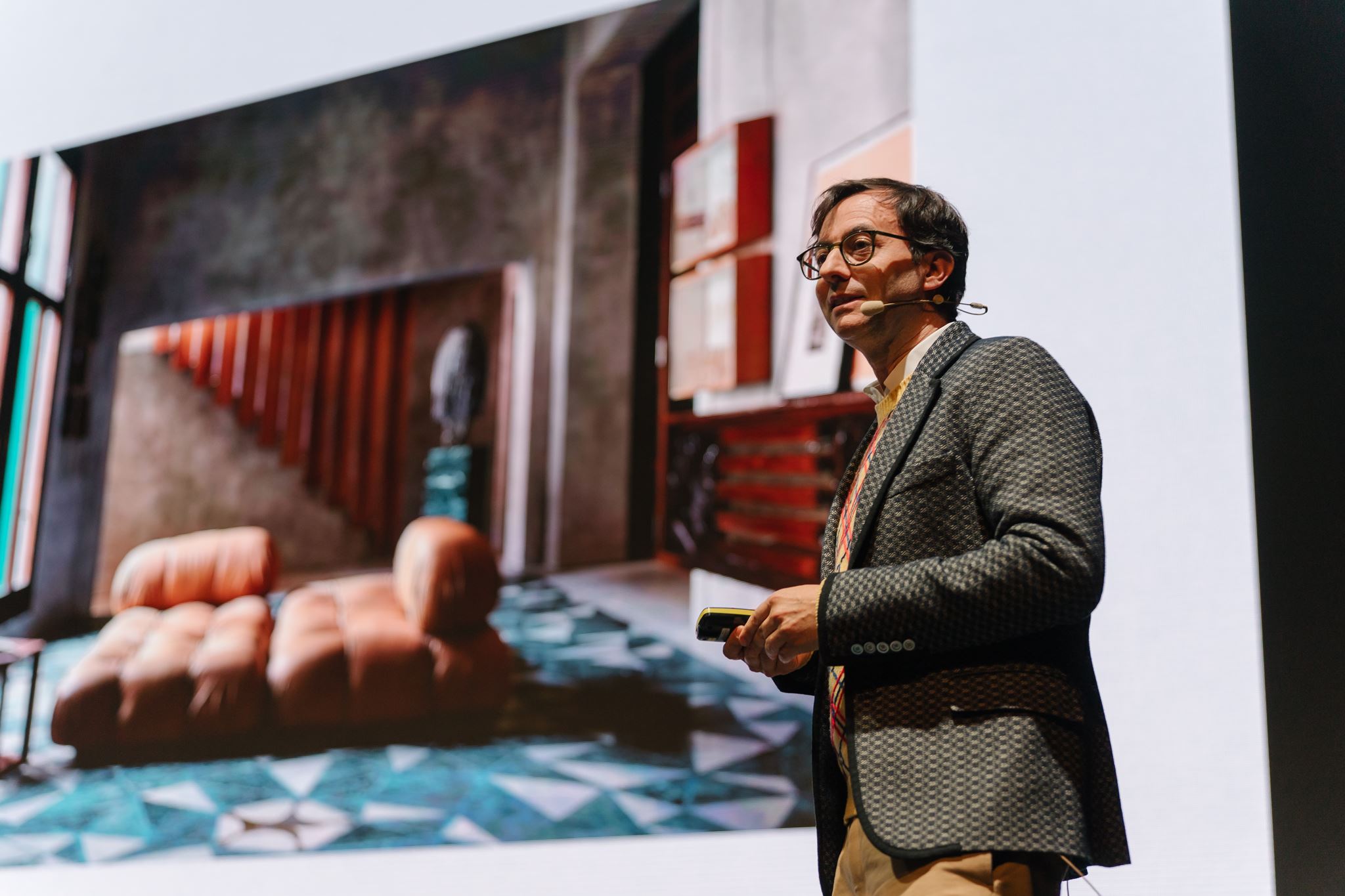
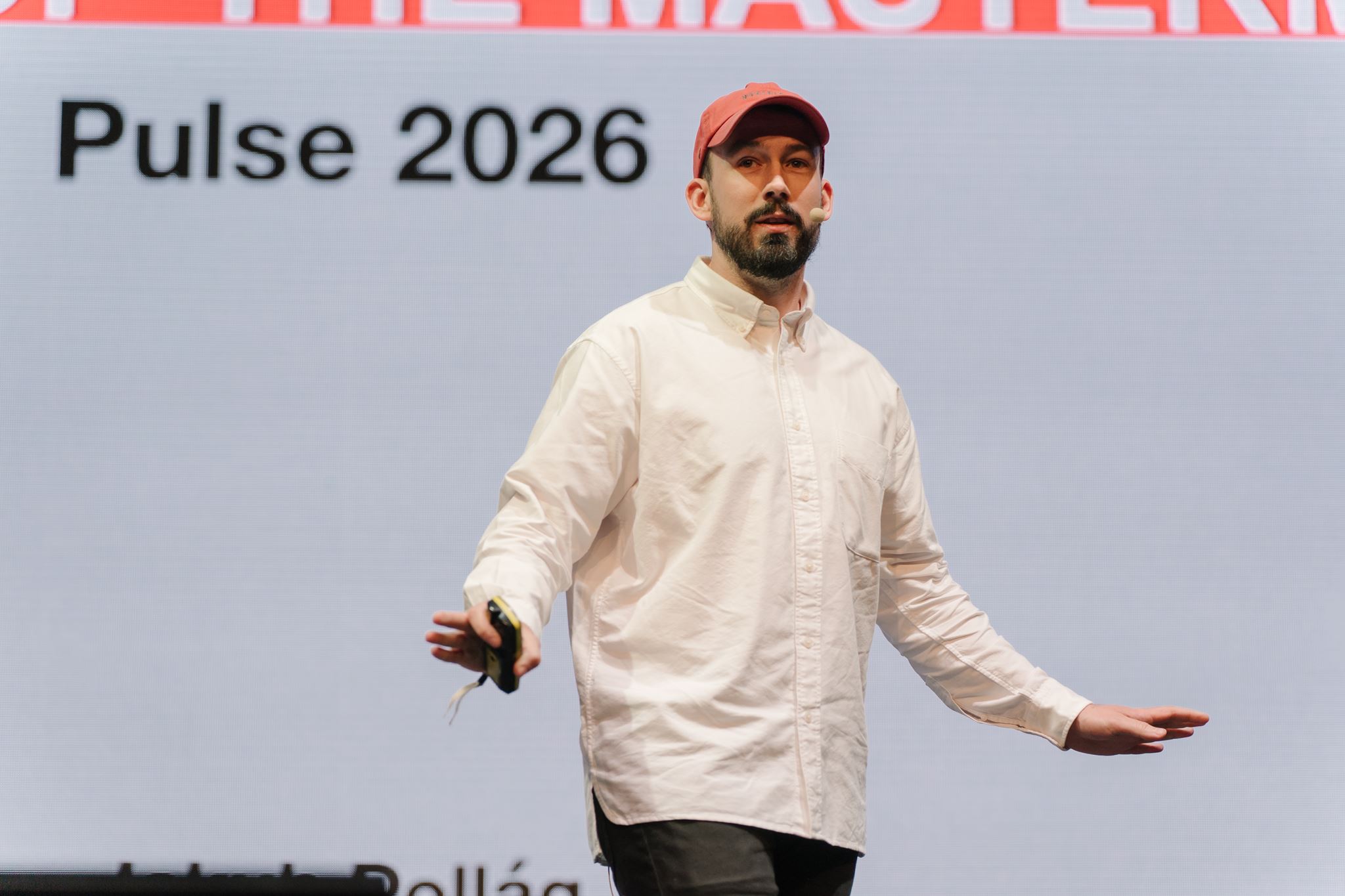
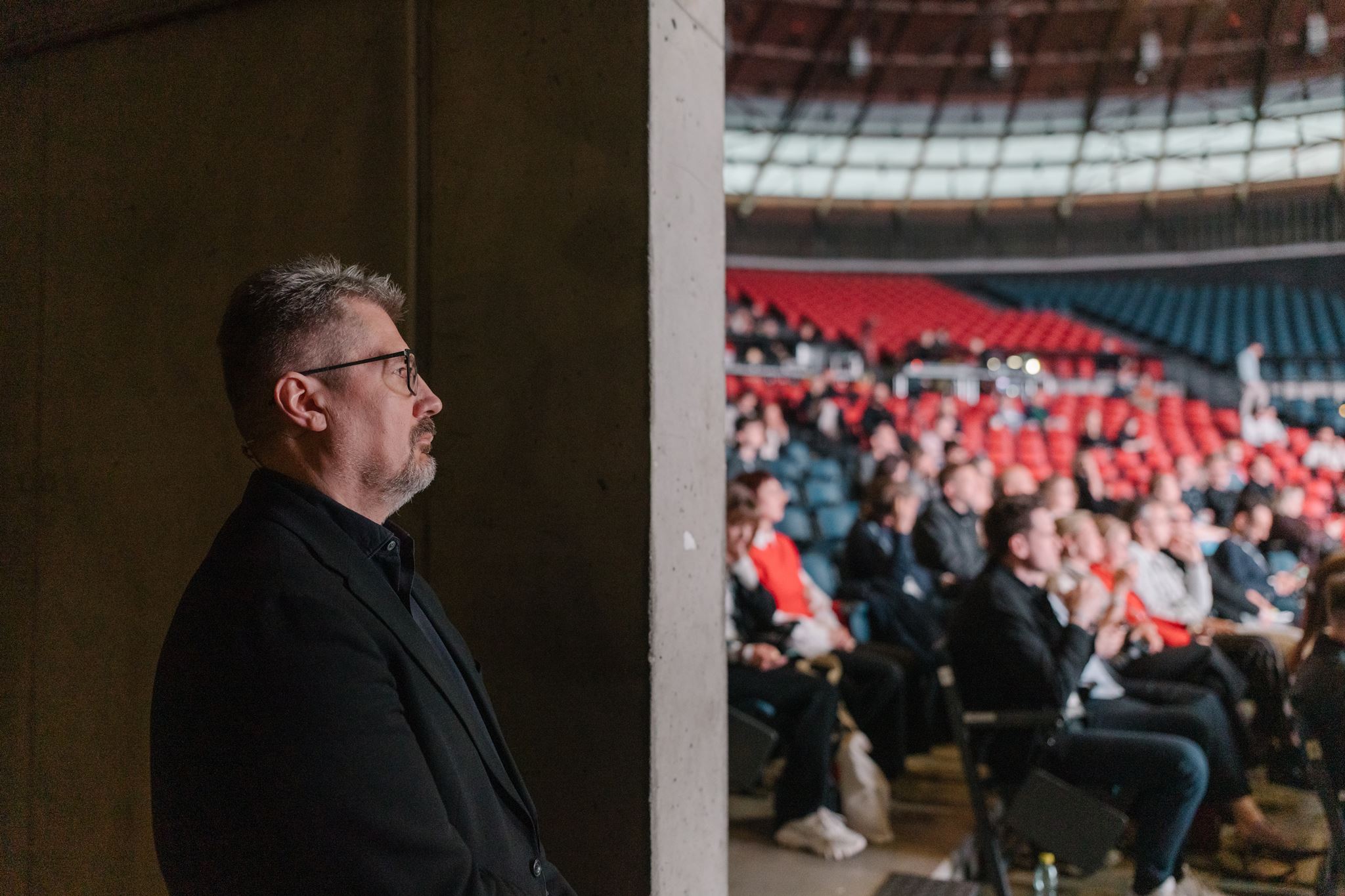
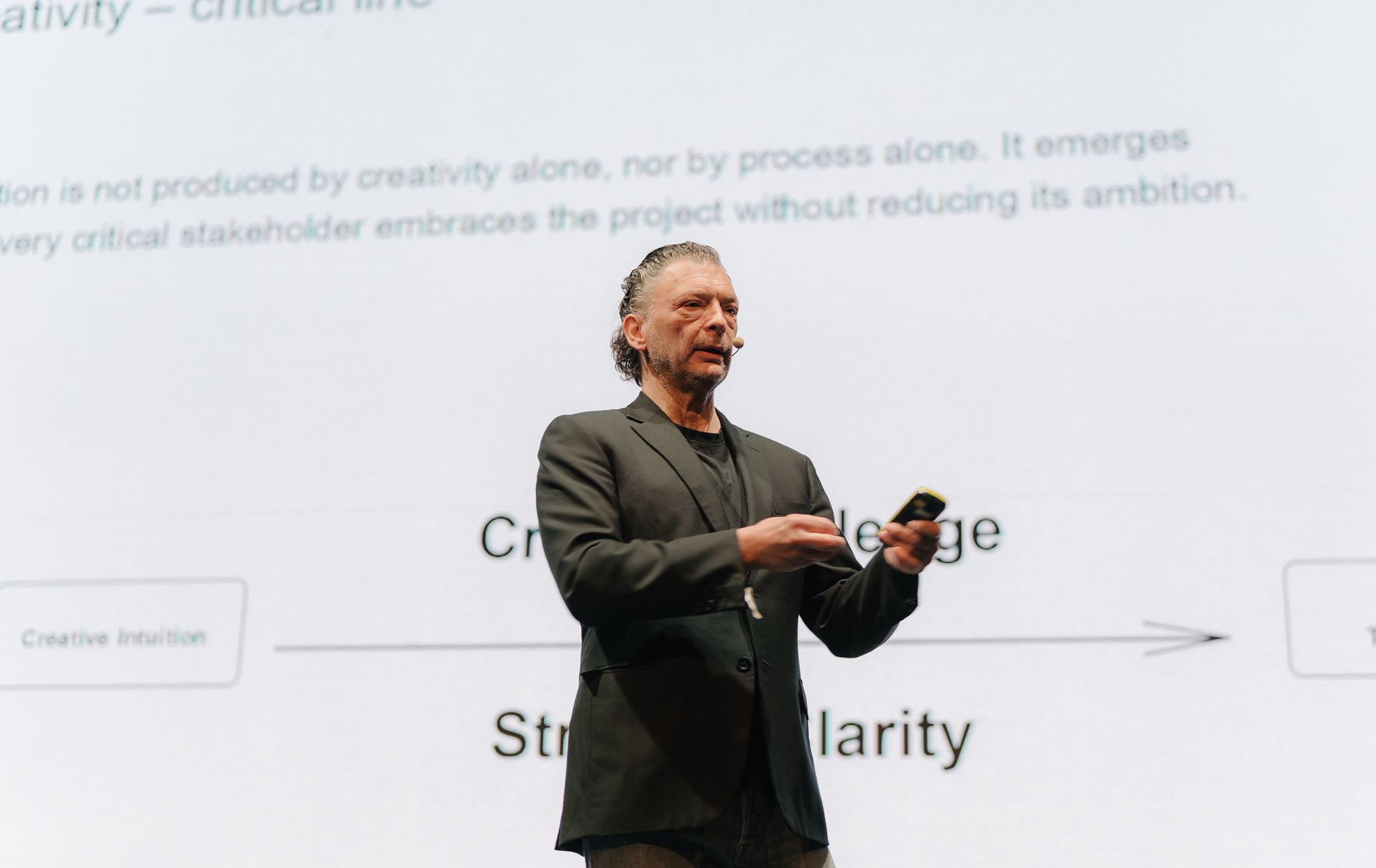
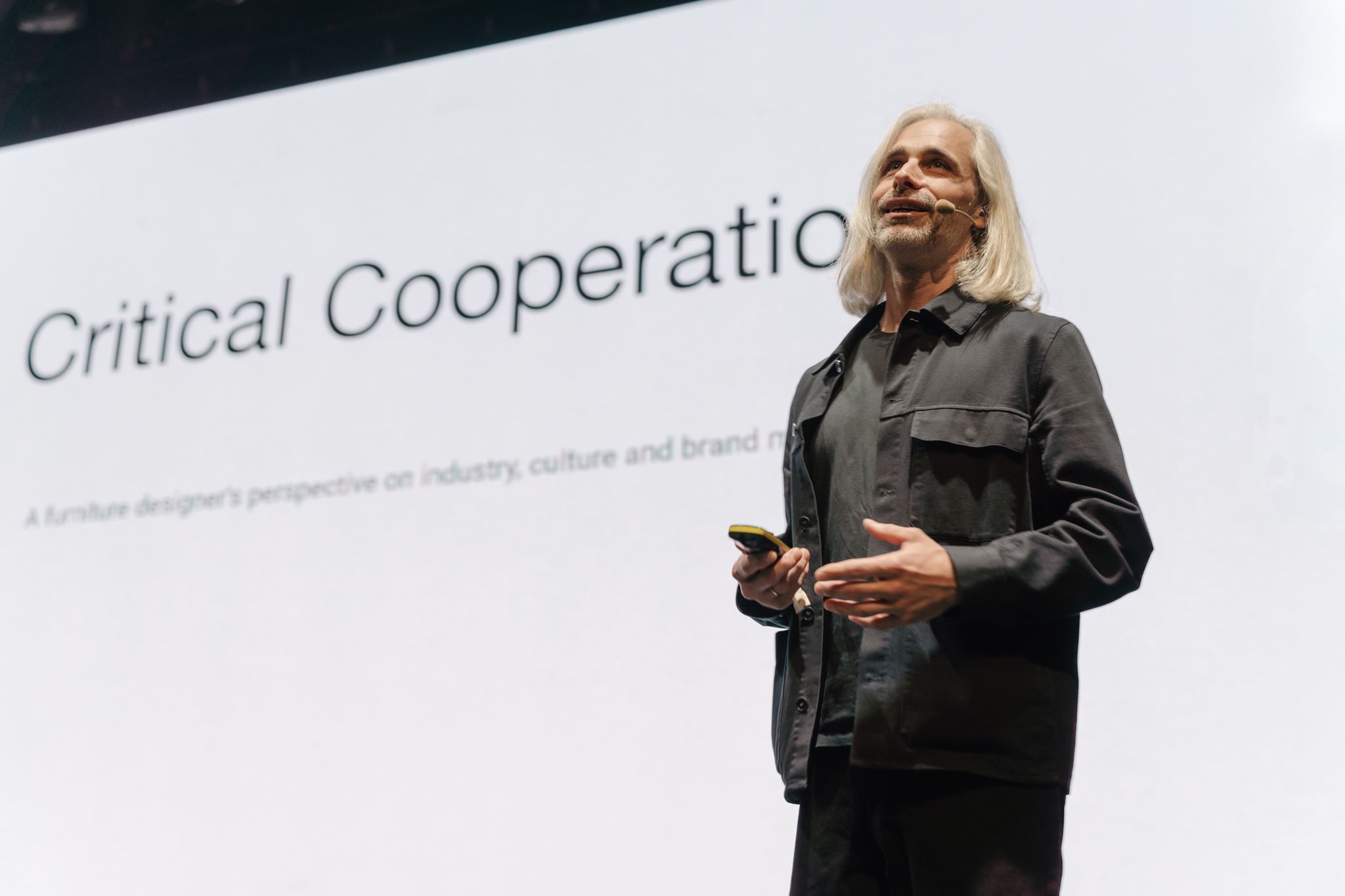
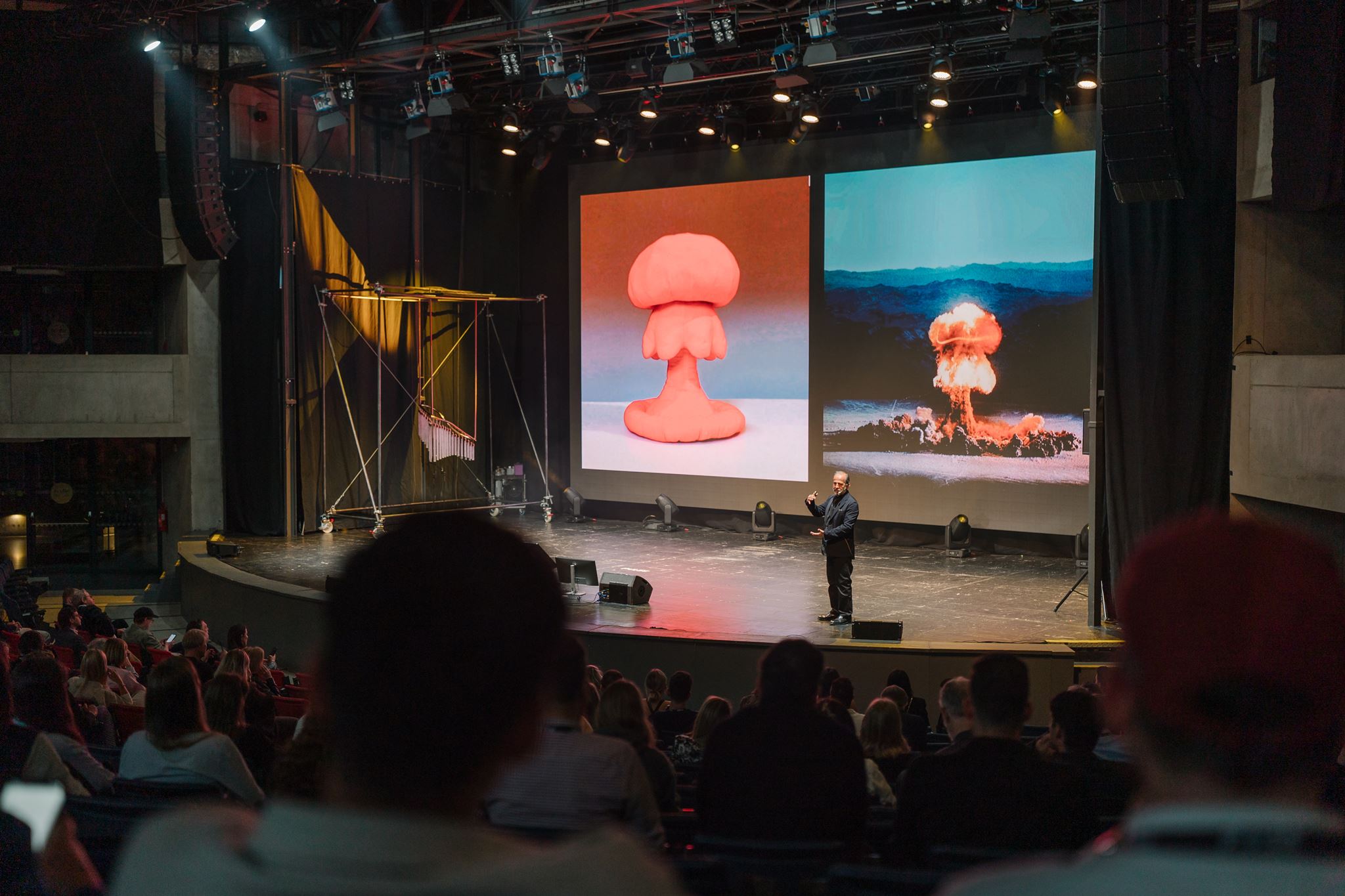
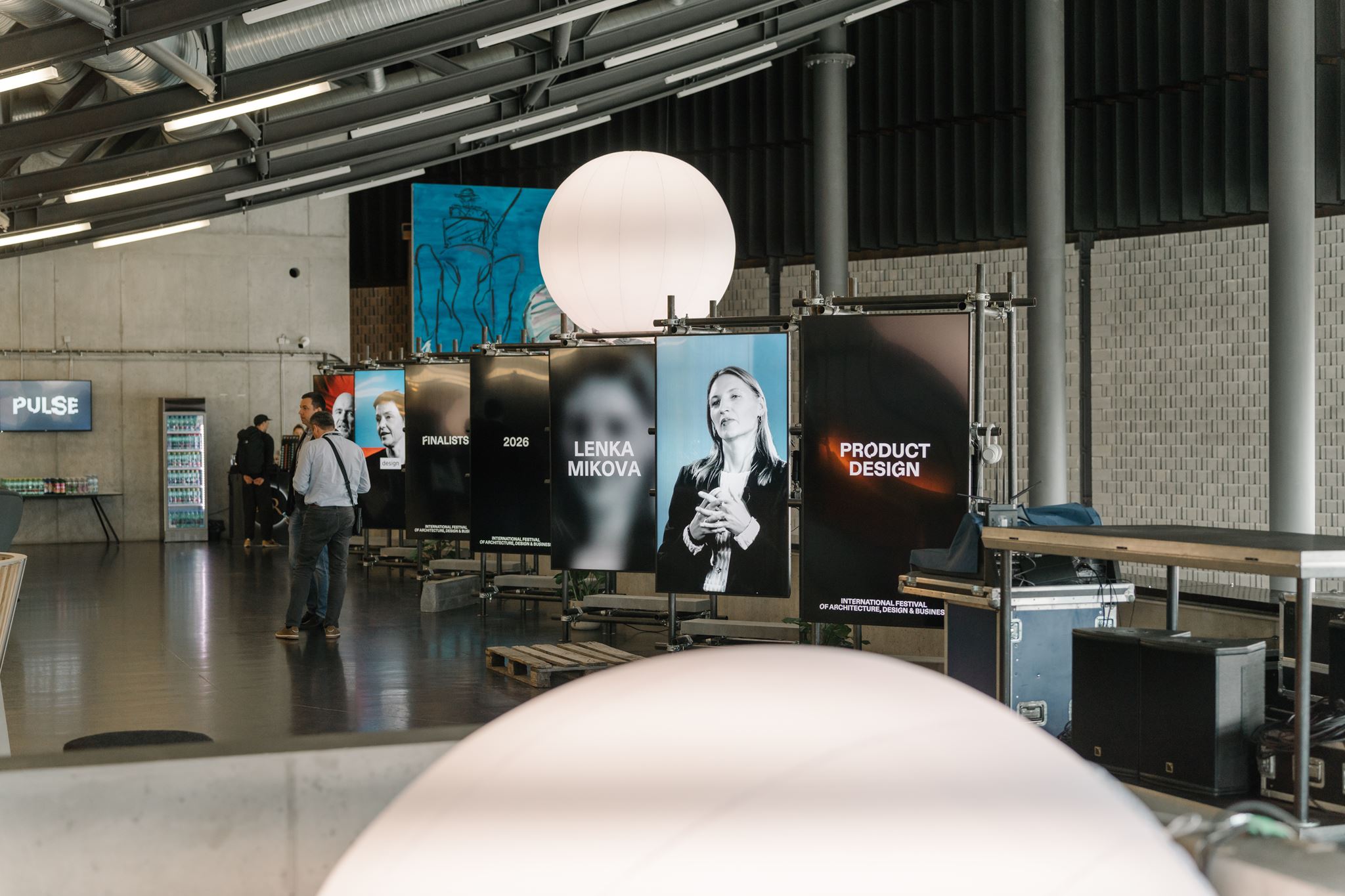
The theme of this year’s edition — Critical Cooperation — was not a piece of conference rhetoric. The festival’s curator, Marcin Szczelina, treated cooperation as one of the defining challenges of contemporary practice. The festival manifesto is unequivocal: “Cooperation is no longer an option. It is a necessity.” That sentence set the register for the entire programme. Architecture and design were framed here not as individual creative acts but as processes of constructing relationships — between different competencies, epistemologies and professional cultures. The premise was straightforward: contemporary design is no longer an autonomous discipline. The climate emergency, geopolitical instability, migration, the energy crisis and radically shifting patterns of habitation mean that architecture now operates within a dense web of political, social and economic interdependencies. The lone author is not equipped for this terrain.
The manifesto draws on Arturo Escobar’s concept of the pluriverse — a world in which multiple cultures, experiences and understandings of space coexist without reduction to a single dominant vision. In such a world, design cannot function through the authority of one perspective. It must operate through dialogue, through the productive friction of difference. Szczelina framed this not as an ideological programme but as a description of what serious practice already looks like, when it is honest about how it actually works.
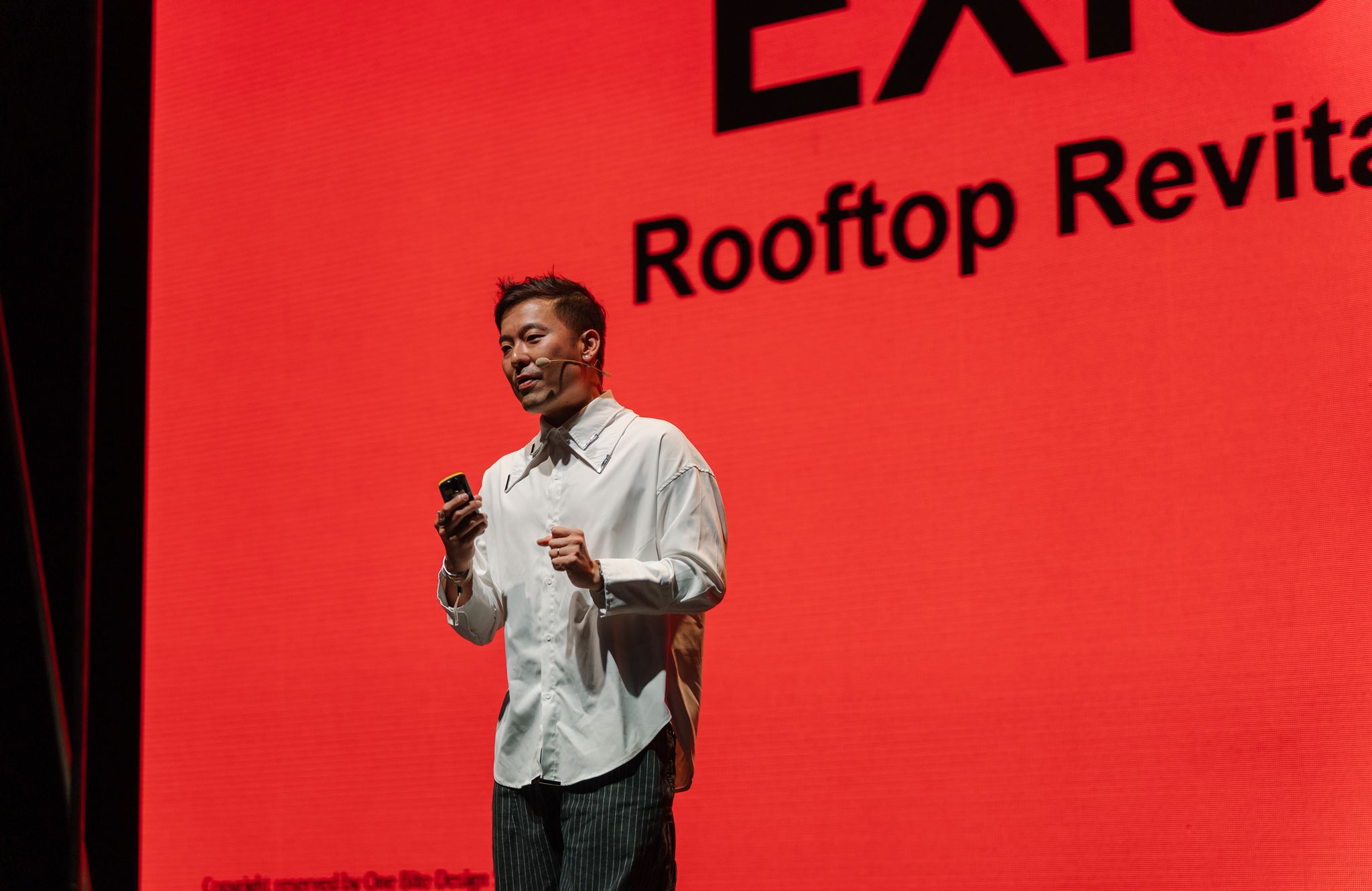
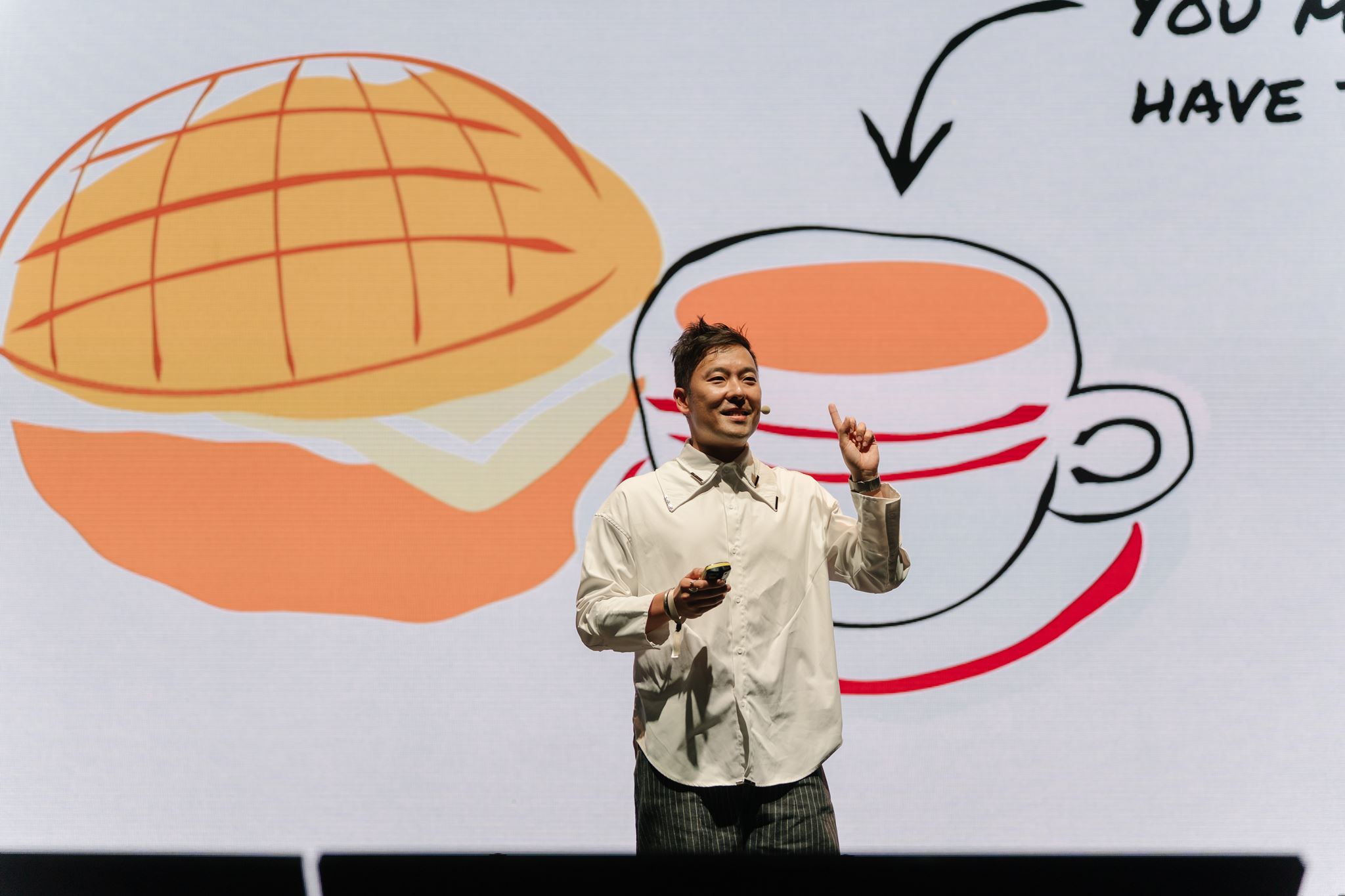
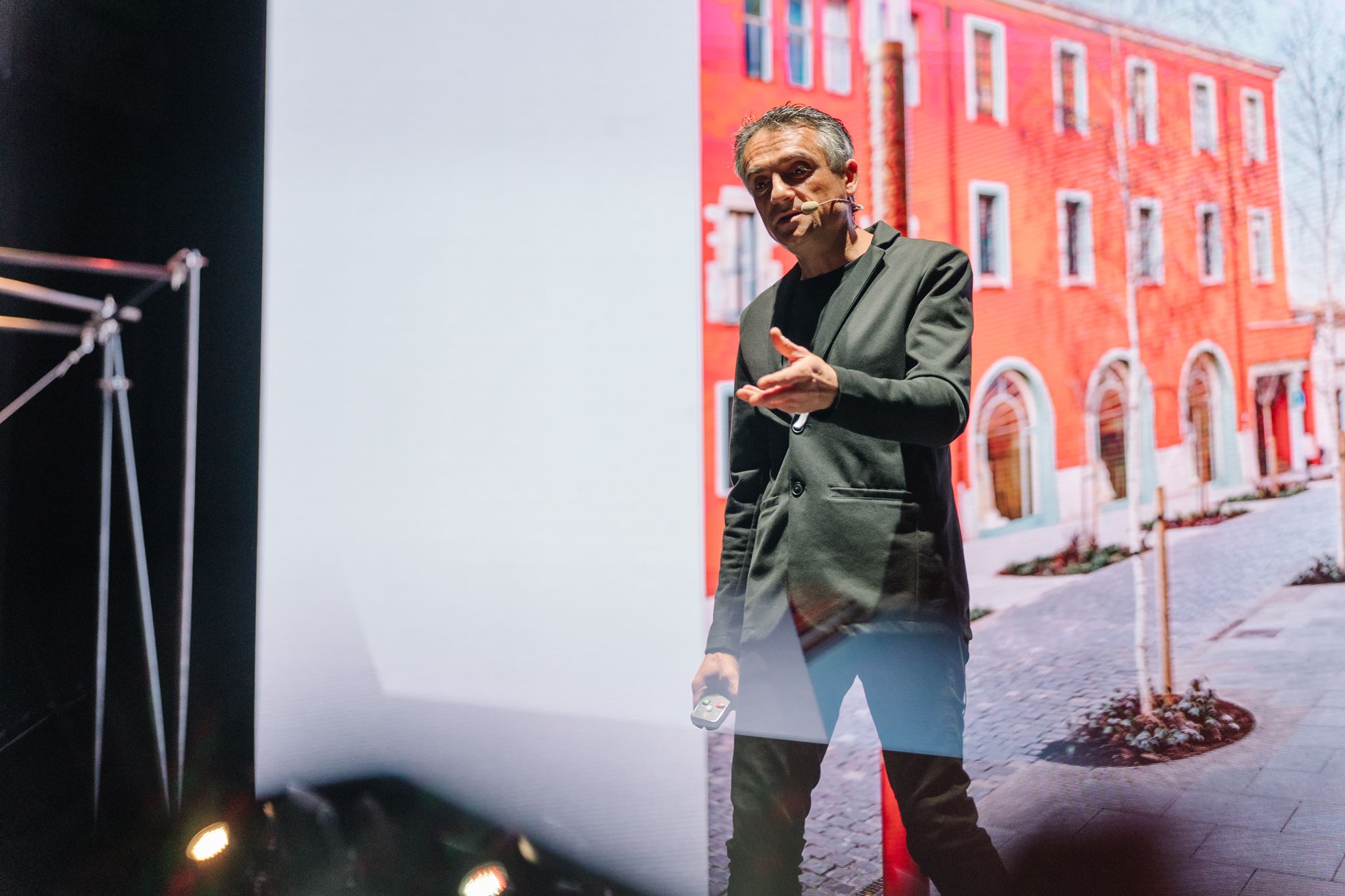
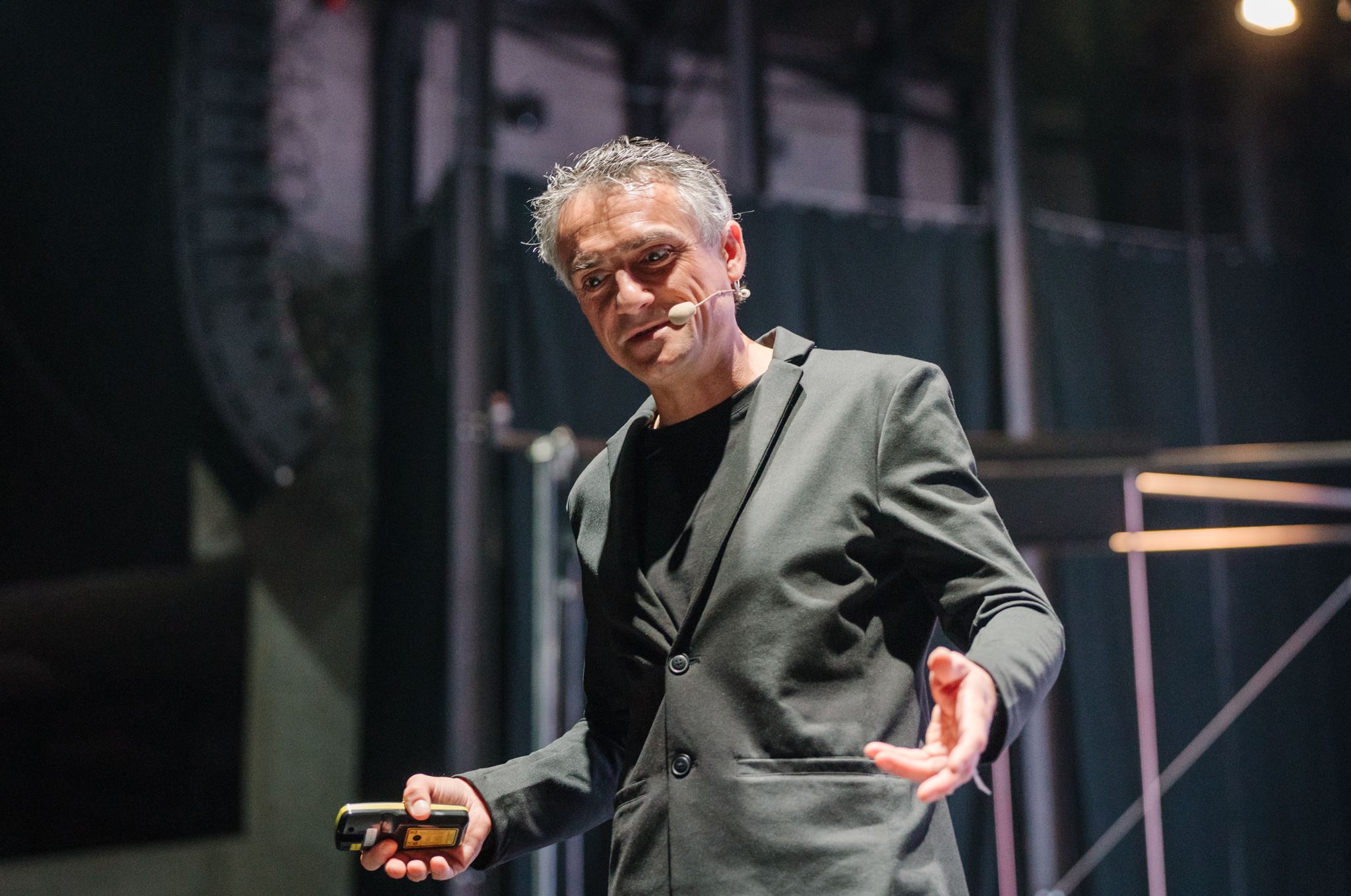
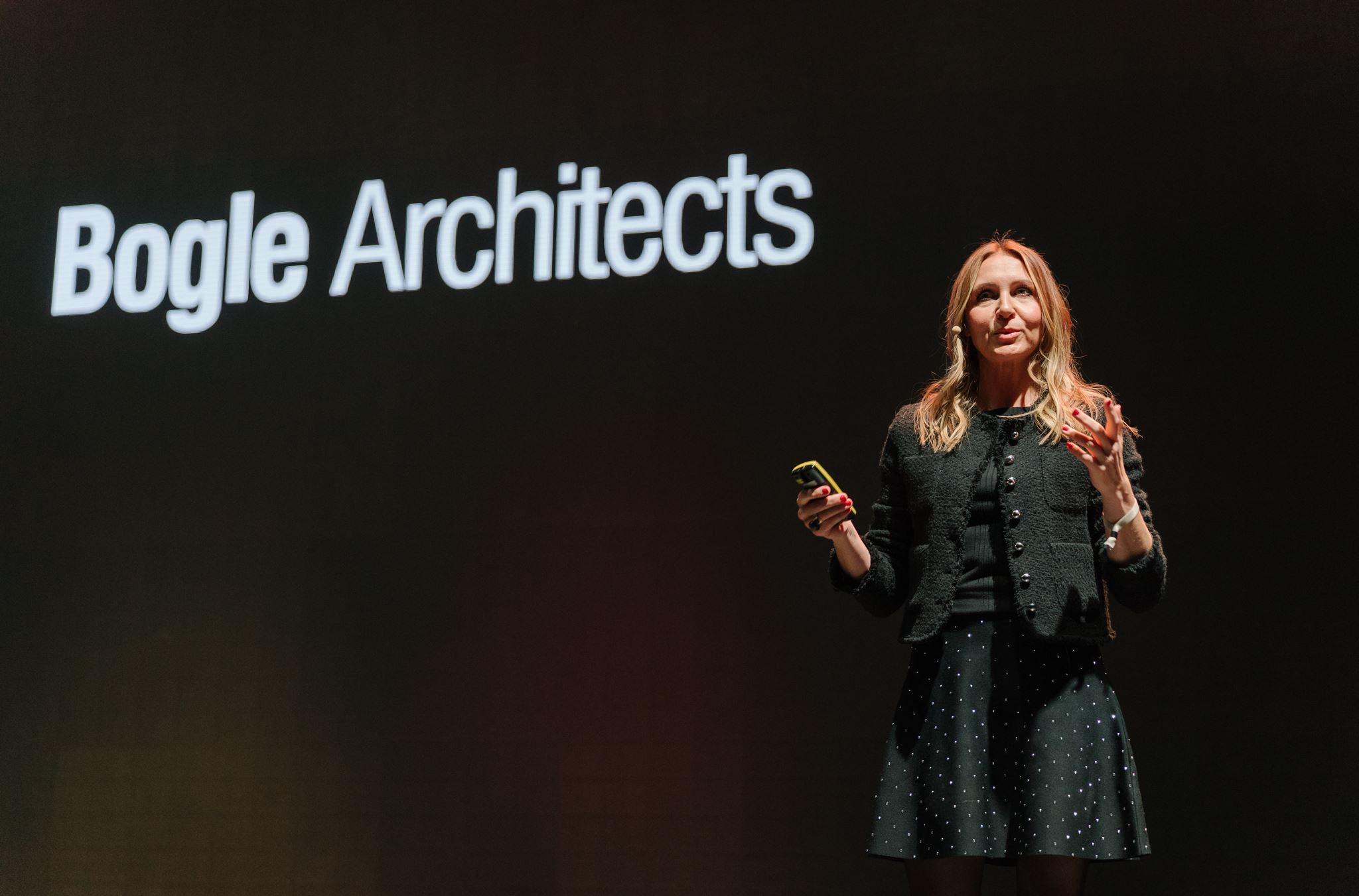
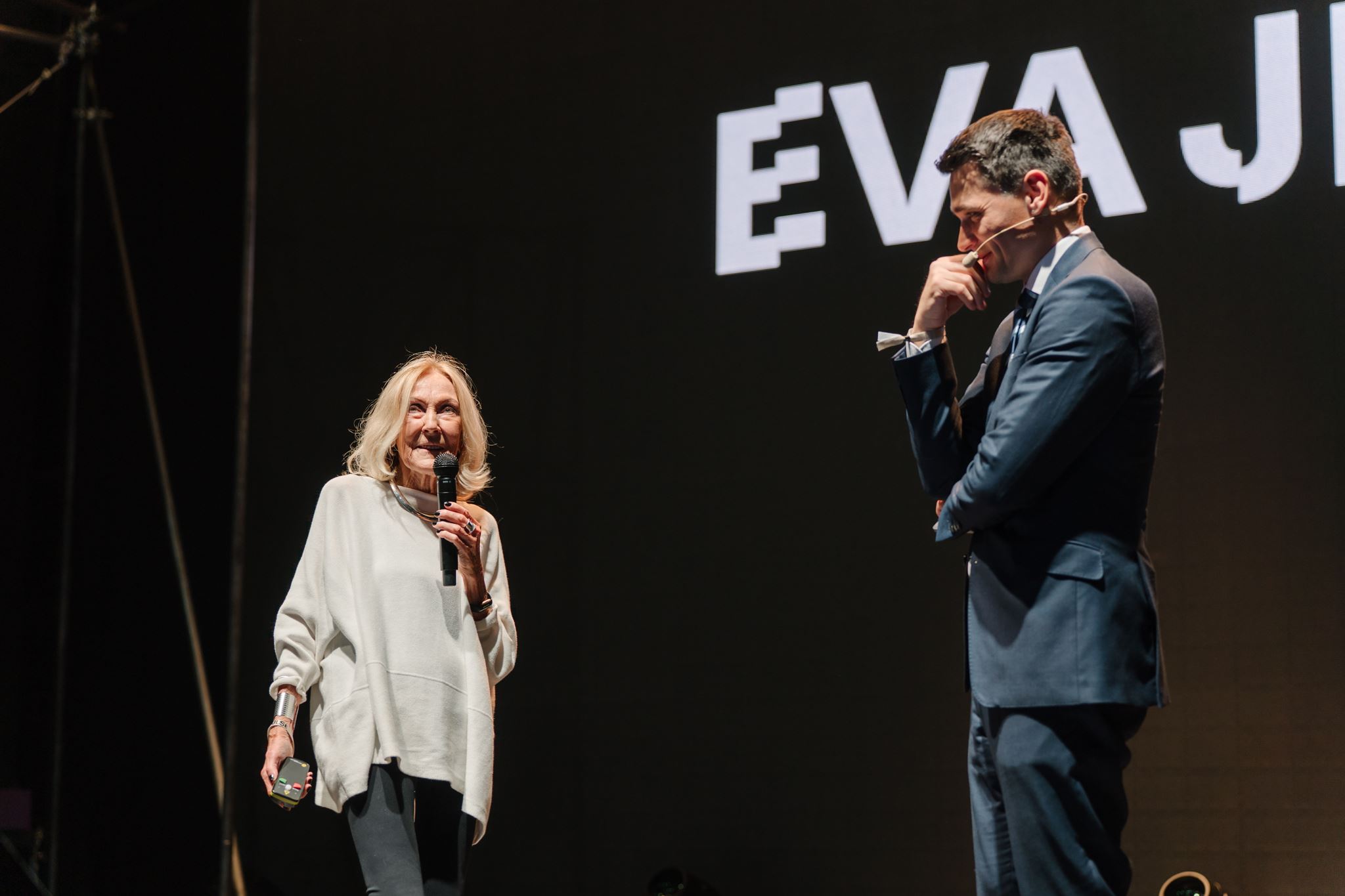
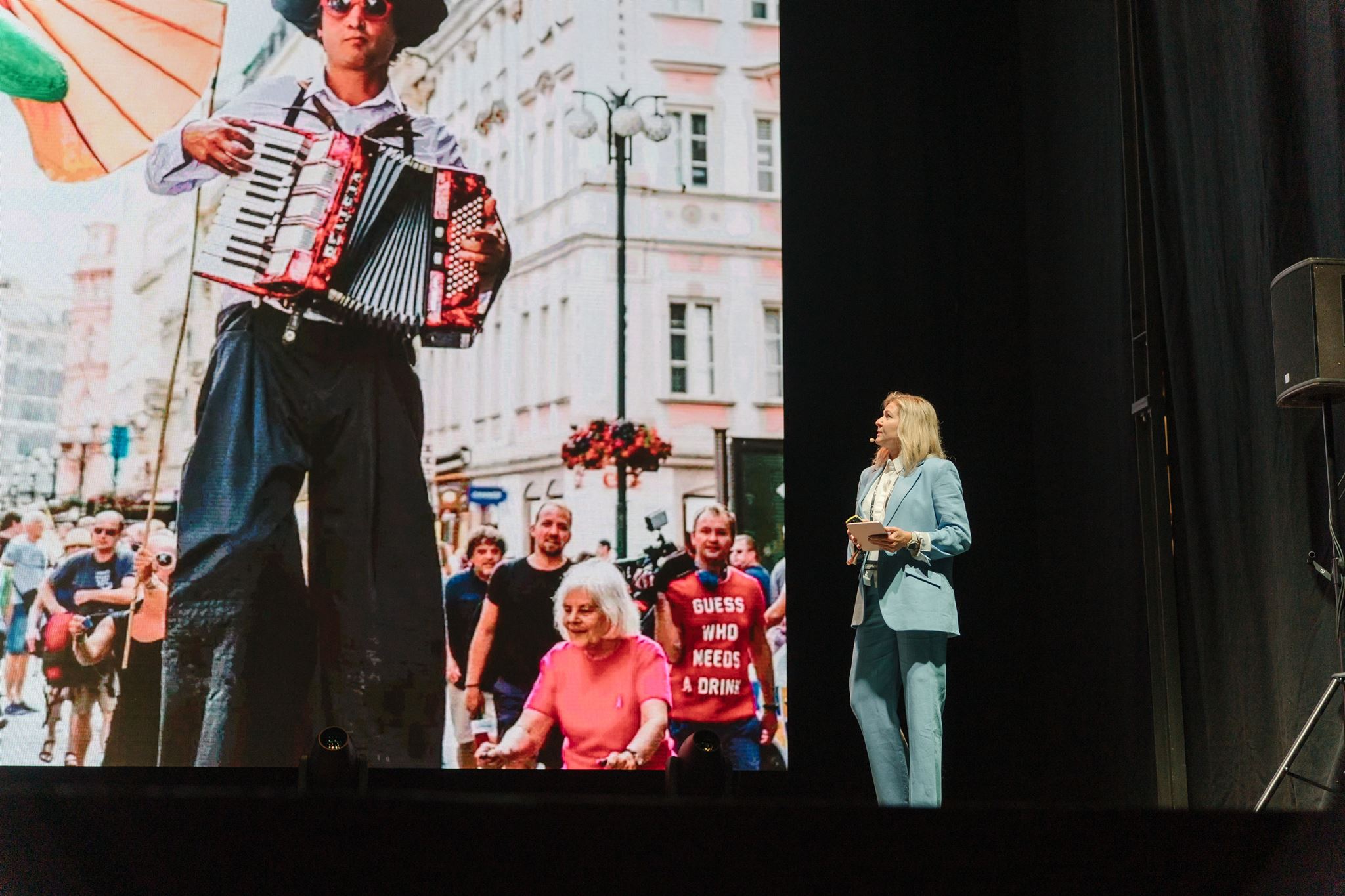
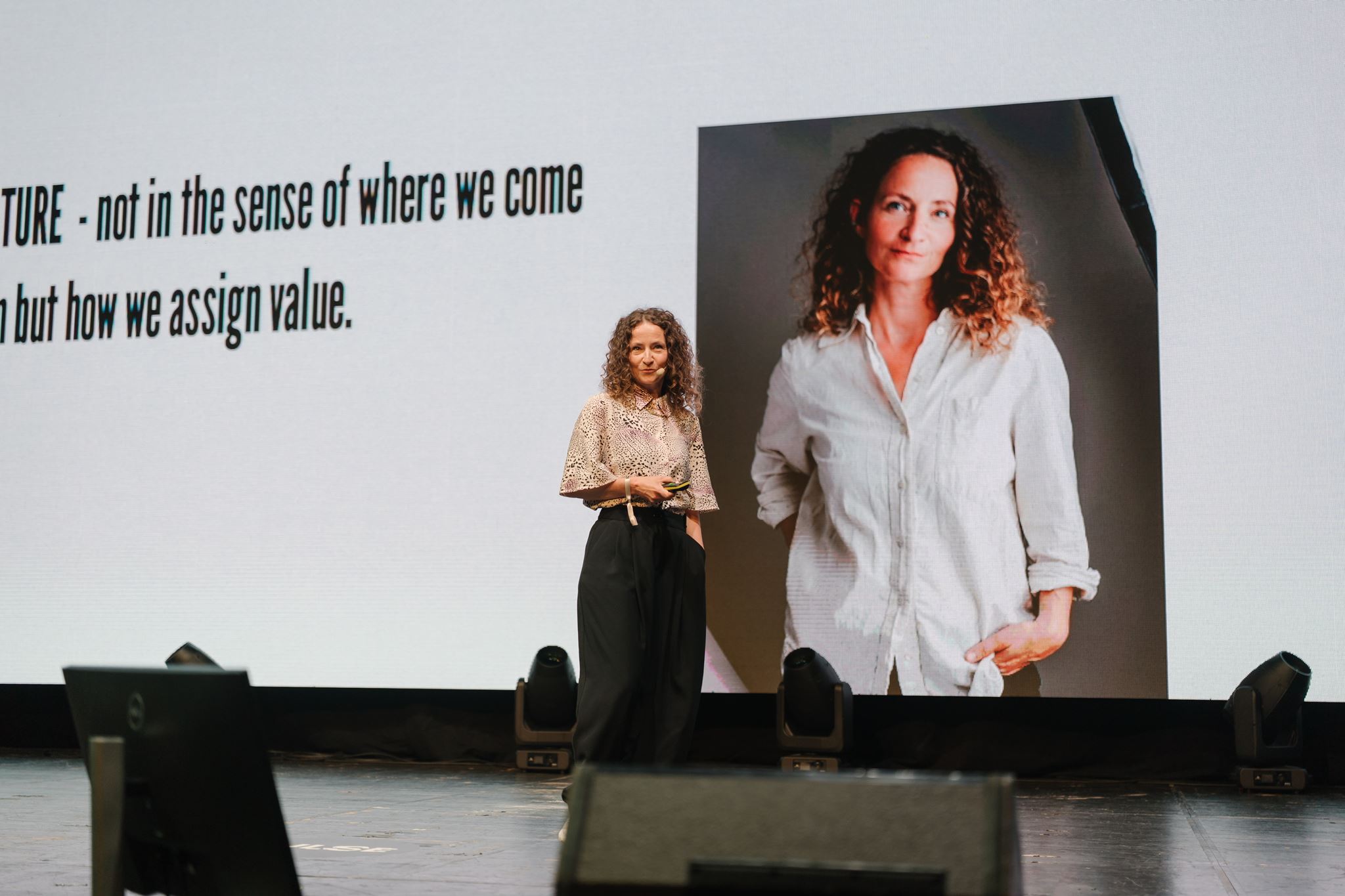
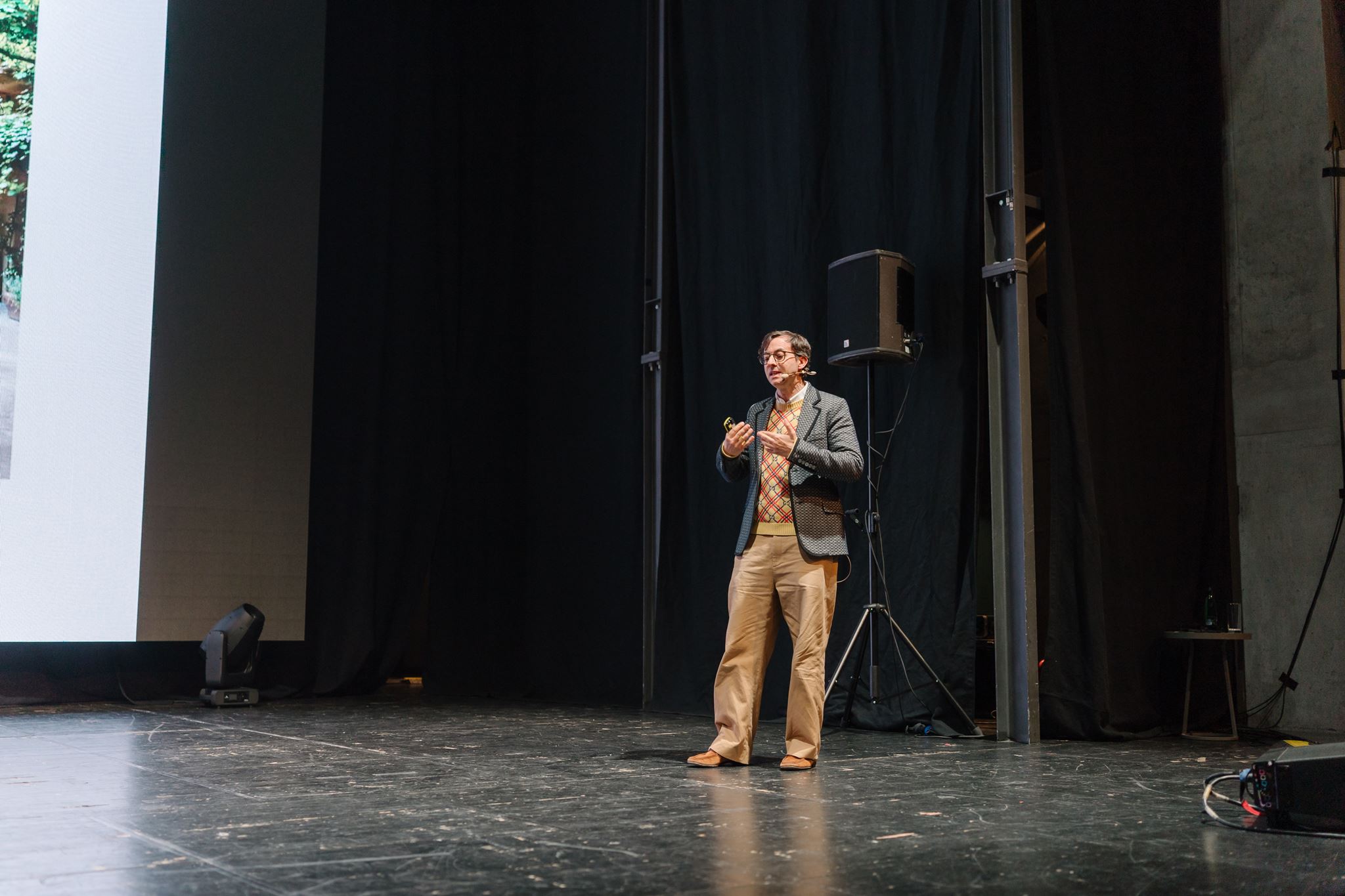
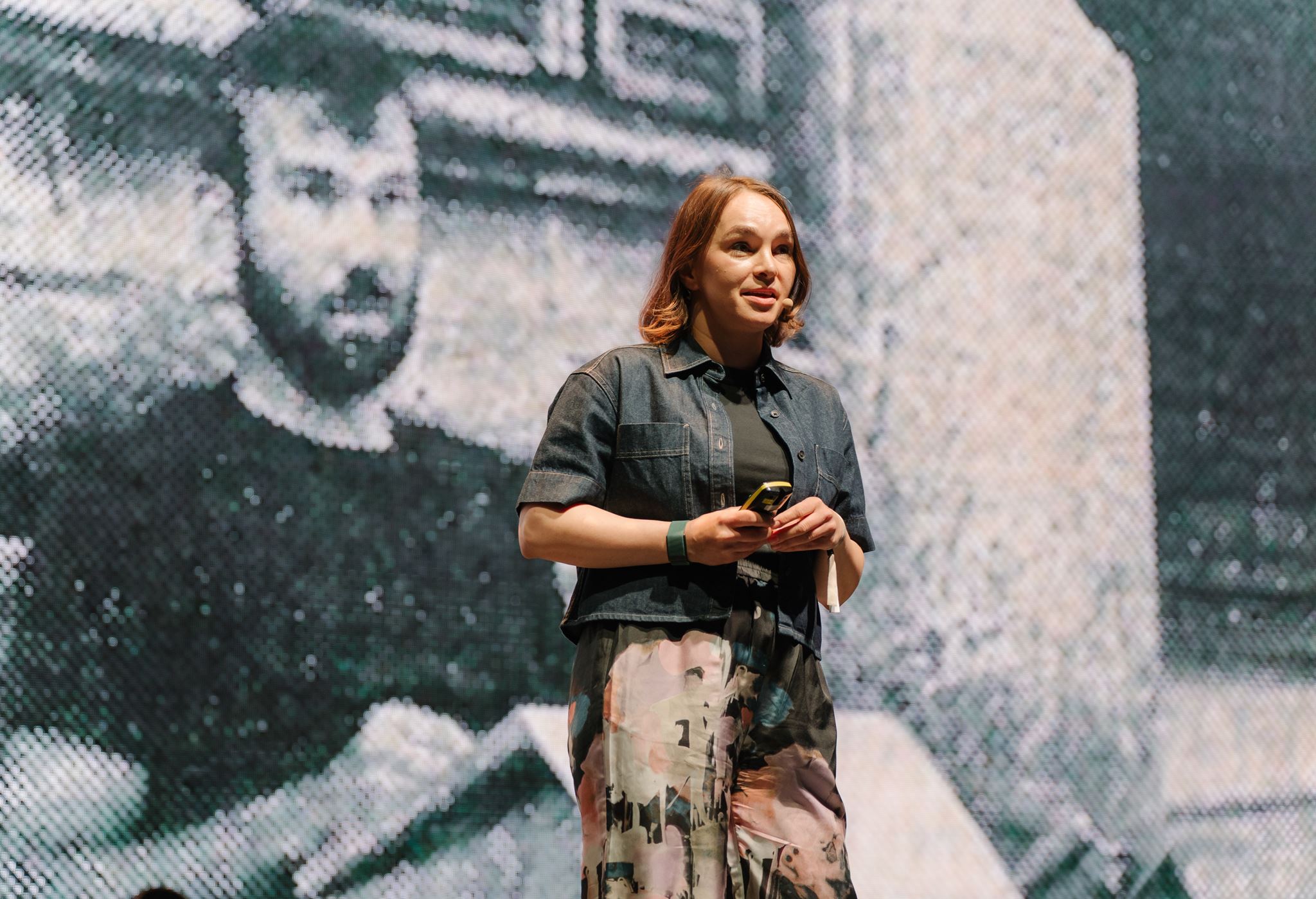
These were the coordinates within which the speakers were invited to locate themselves. One of the most arresting contributions came from Piero Gandini of the Flos B&B Italia Group. His presentation, titled The Critical Cooperations of Design, addressed the structural tensions that the design industry prefers not to examine in public. The relationship between manufacturer and designer, Gandini argued, is never a relationship of harmony — it is a managed conflict. A single line on screen focused the room: The task is not to remove tension. The task is to govern it. Beside it, a spare diagram: two rectangles — Tension and Governance — joined by an arrow. Gandini spoke about distribution as an act of sharing a brand’s values, not merely its logistics; about the competing imperatives that attend every project in high-end design — innovation against range discipline, narrative strength against margin control, selectivity against market reach. Good collaboration, in his account, does not dissolve these contradictions. It gives them structure. It was a presentation of a kind rarely encountered at design conferences: a figure with genuine institutional authority speaking with precision and without euphemism about the actual conditions of the field. The discussion that followed, with Adam Štěch moderating and Michael Anastassiades as interlocutor, extended the argument: what designers expect from producers, and why that expectation so rarely finds clear articulation.
Interdisciplinarity is a term invoked with some frequency in architectural discourse. It is demonstrated with considerably less frequency in practice. The session in which Aleksander Czerwonka-Jabłoński of CUDO Studio appeared alongside Bartosz Żegański of HART Studio was notable precisely because it showed the thing rather than describing it. An architect and an art director in a working relationship — speaking honestly about what that relationship involves. About how spatial and graphic thinking enter into genuine dialogue. About how visual identity ceases to function as a project’s external communication and becomes one of its generative elements. It was a conversation between practitioners rather than advocates, and it carried the specific weight that only direct experience can give.
Massimo Adario presented interior design as a practice at once psychological and autobiographical — spaces conceived as portraits of their inhabitants, produced through an extended and demanding engagement with the client that most contemporary commissions neither allow nor encourage. Adario described the client not as a constraint but as a primary creative force. The depth of collaboration is the condition of the result.
Gaspar Bonta of Gravity Boulder offered something less common still: a candid account of professional disillusionment. He spoke about the experience of finding architecture inadequate, about developing a radical selectivity in response, about the long passage from volume of activity to clarity of purpose. It was not a lecture about achievement. It was a lecture about professional self-knowledge. The conversations it generated in the corridors outlasted the day.
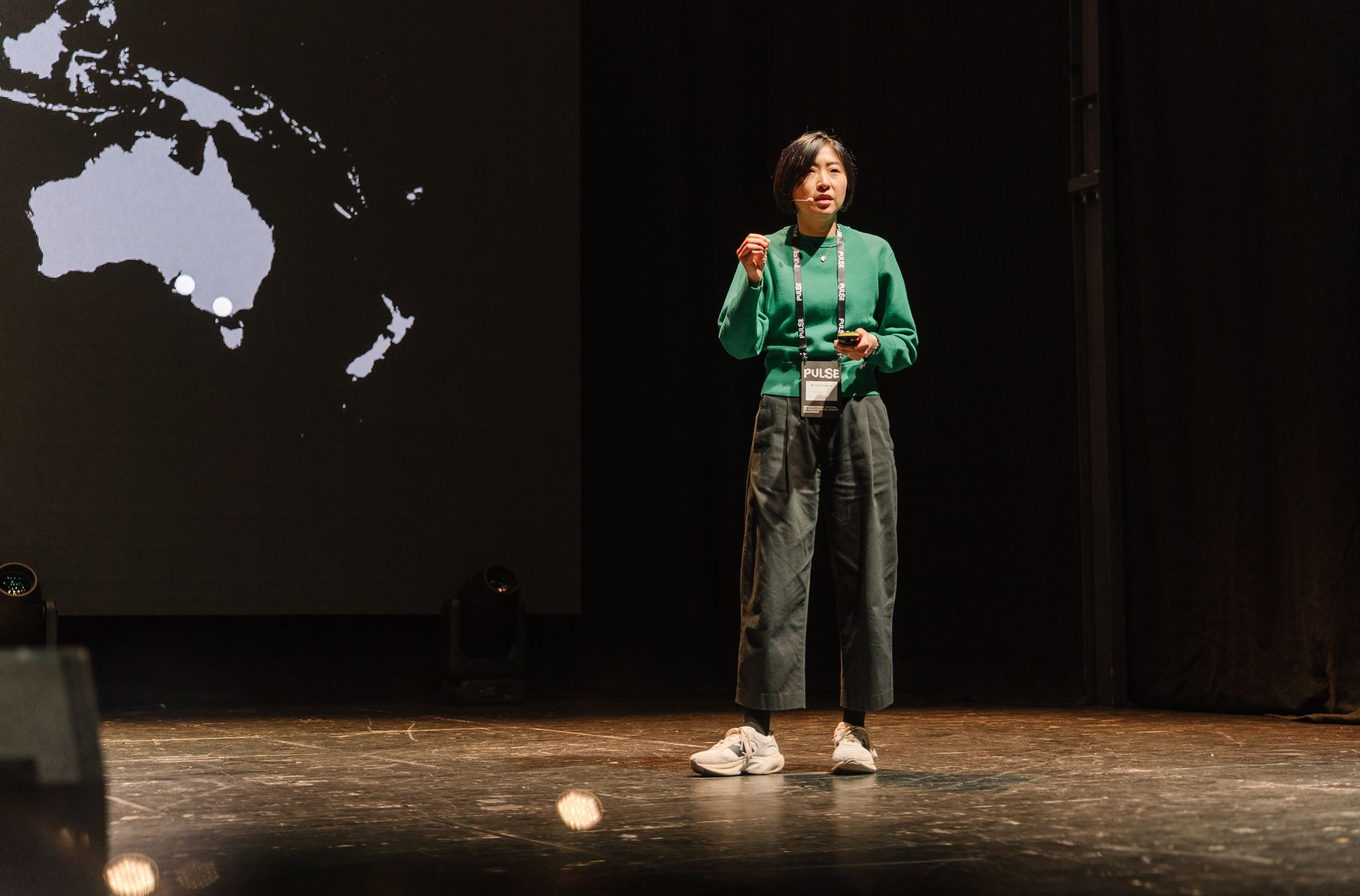
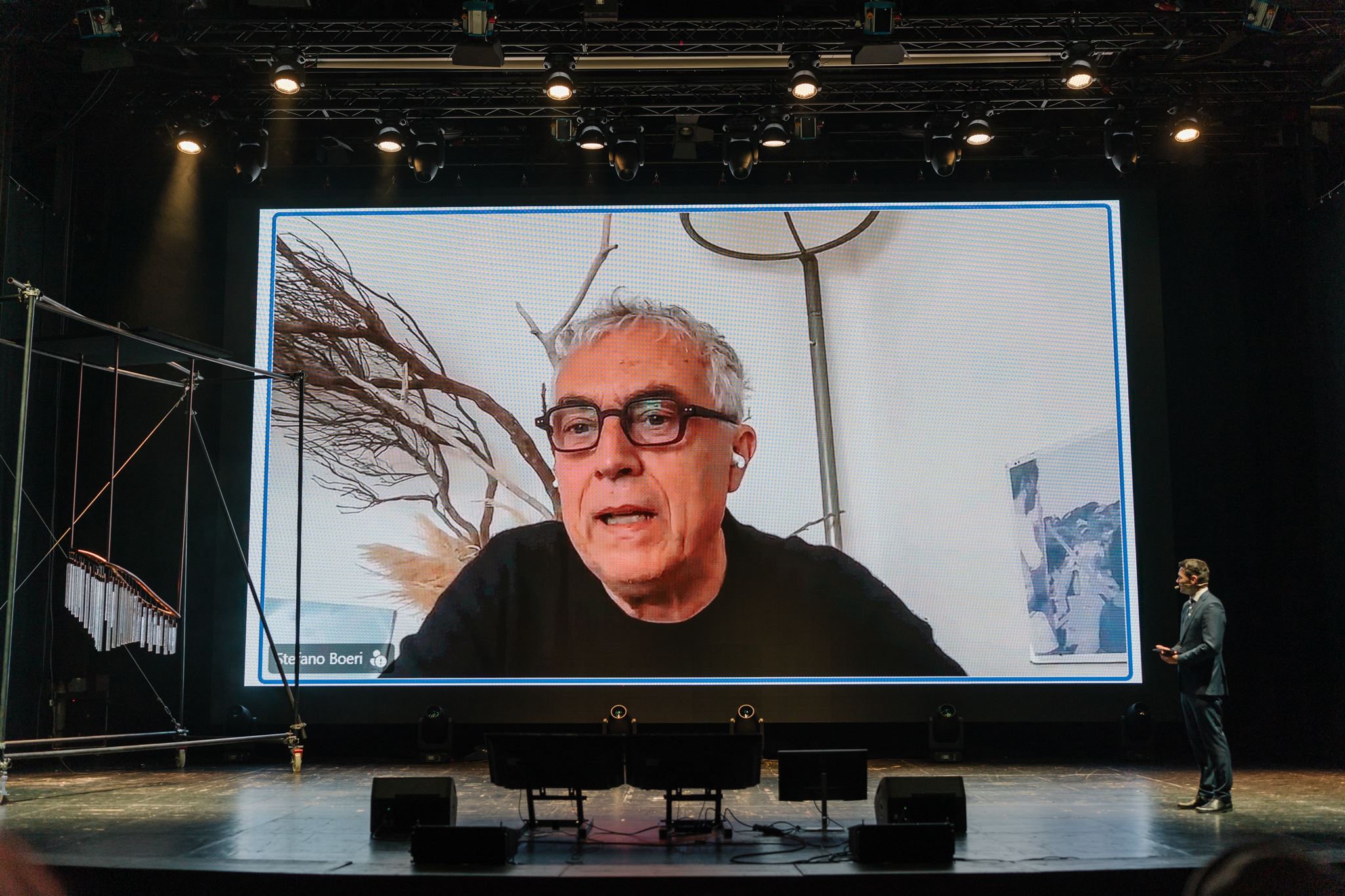
The second day moved the scale of discussion outward — from the building to the city to the region. Stefano Boeri, presenting remotely, argued for biodiversity as a design principle rather than an environmental supplement, and for the necessity of translating ecological value into the economic language that clients and developers actually use. Mo Ching Ying Lai of Snøhetta addressed the internal communication of large, multicultural offices as a design challenge in its own right — an argument that the conditions of collaboration are themselves a form of professional production. Eduard Callís of the Catalan practice Un Parell d’Arquitectes presented an architecture of the street understood as social relation rather than spatial composition: the city as something negotiated at its edges and in its indeterminate zones, not only in its monuments.
The urbanism sessions confirmed a broader trajectory: the conversation about collaboration at PULSE is expanding in scope, from the dyadic relationship between designer and client, through the dialogue between disciplines, to the political question of who holds the authority to shape the city. These are questions that architecture cannot resolve from within its own borders.
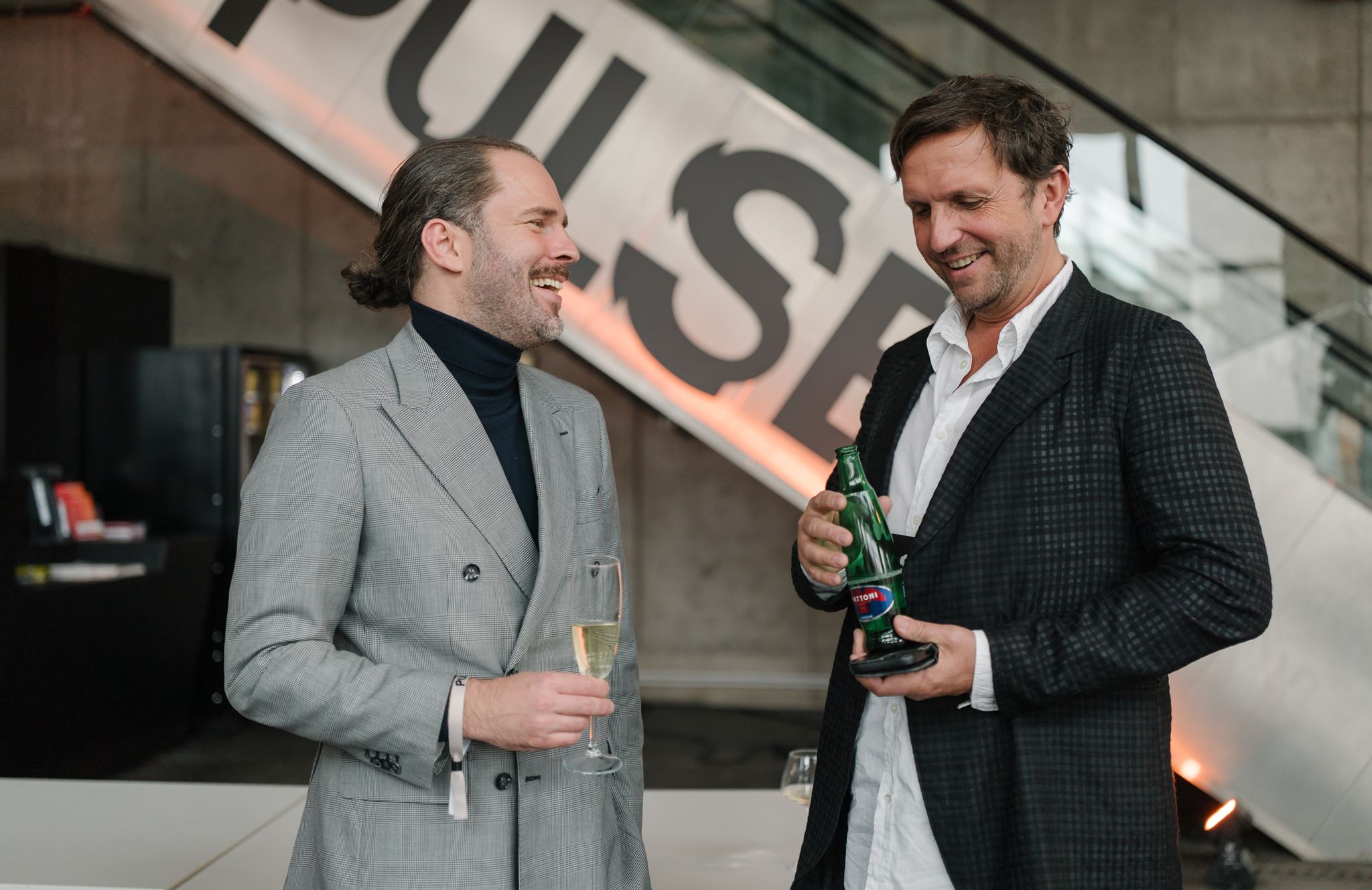
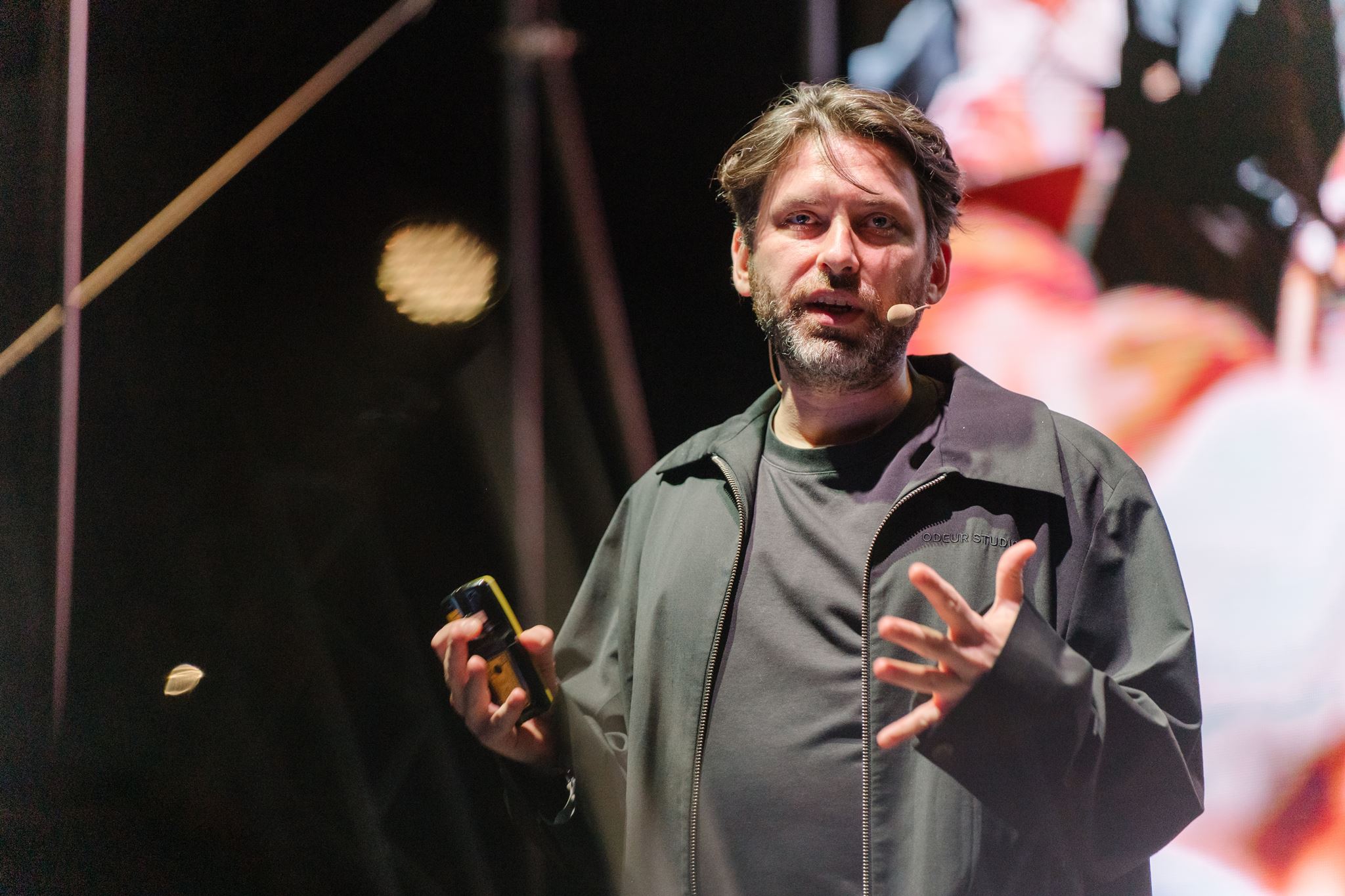
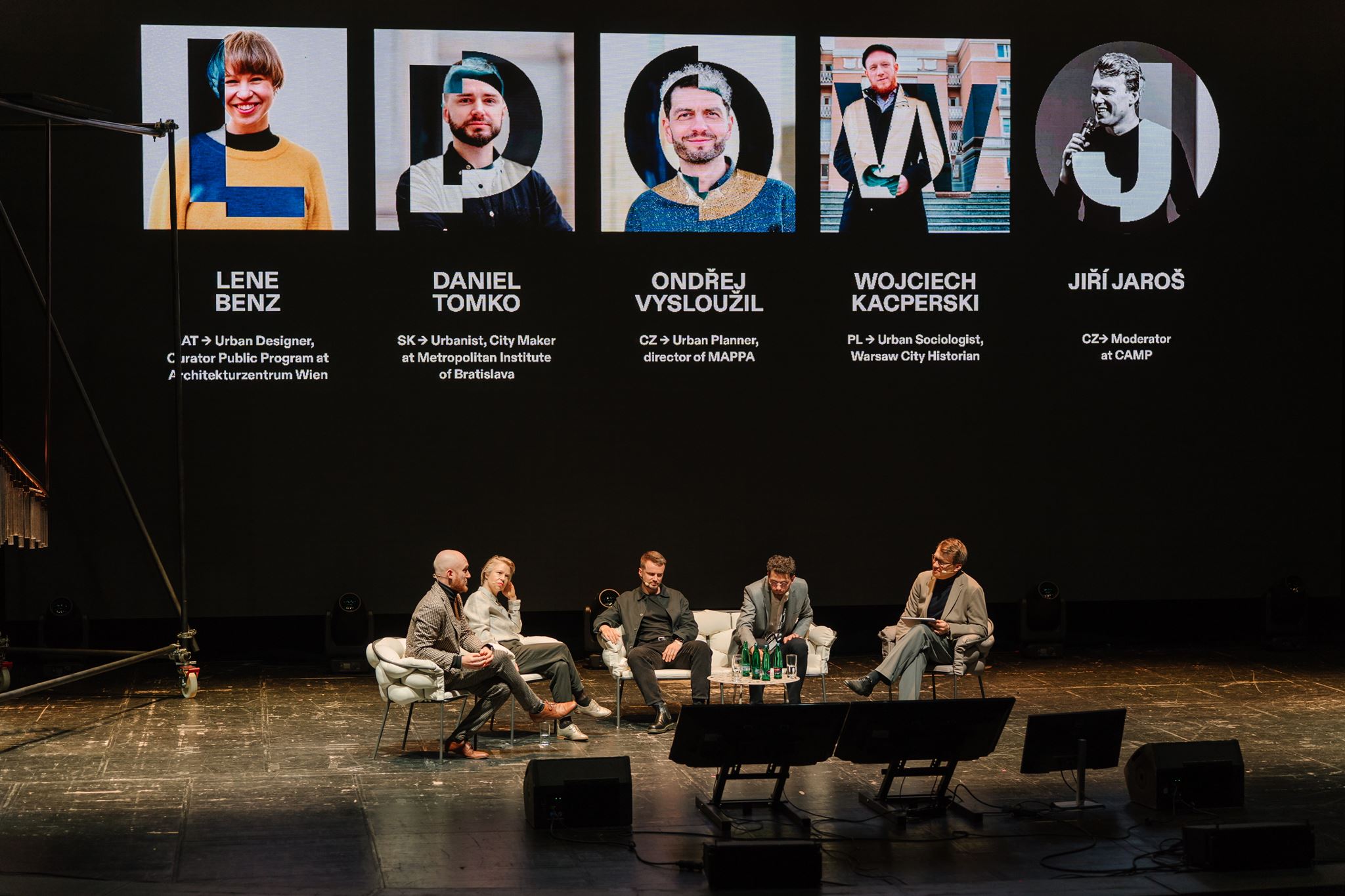
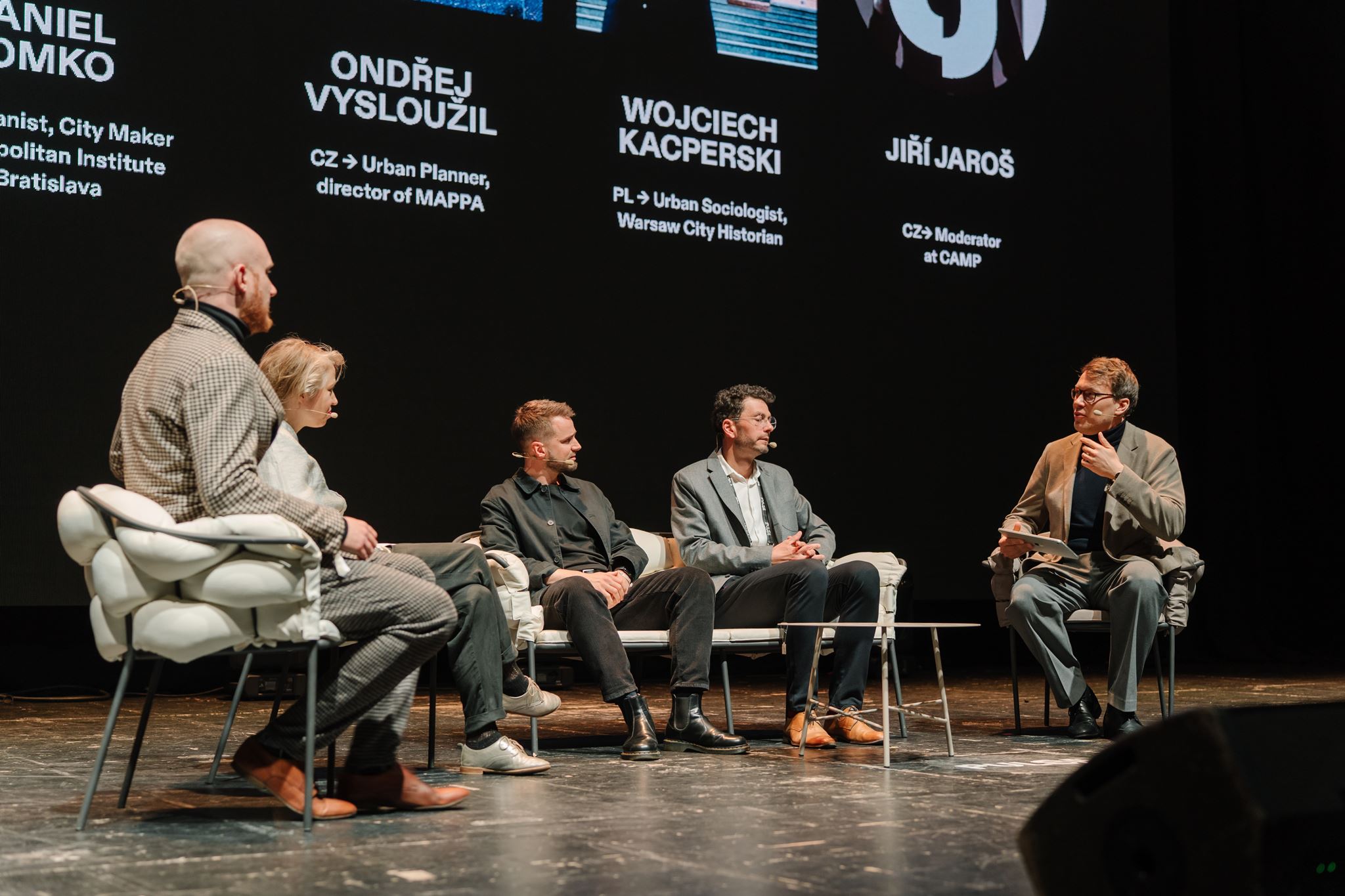
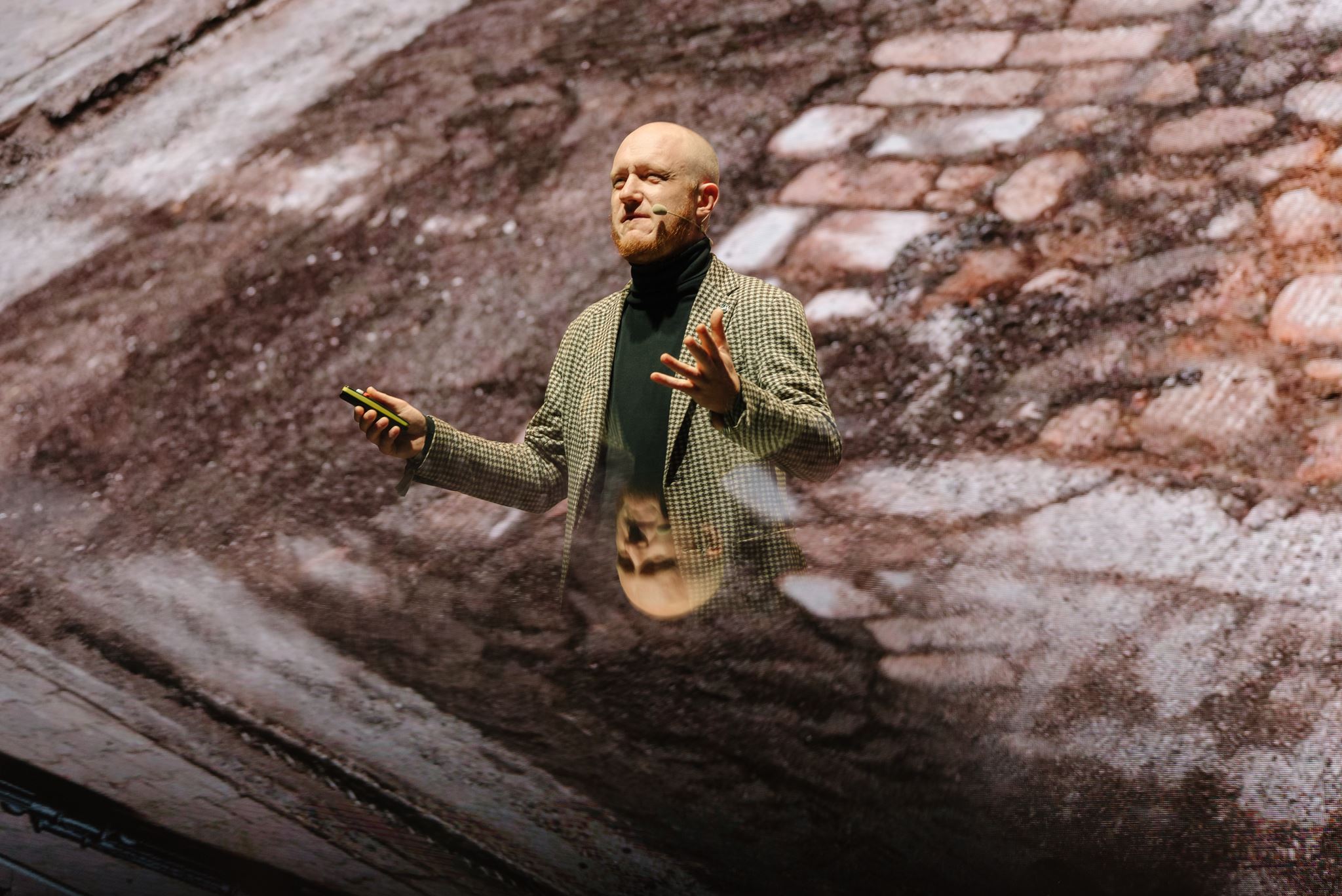
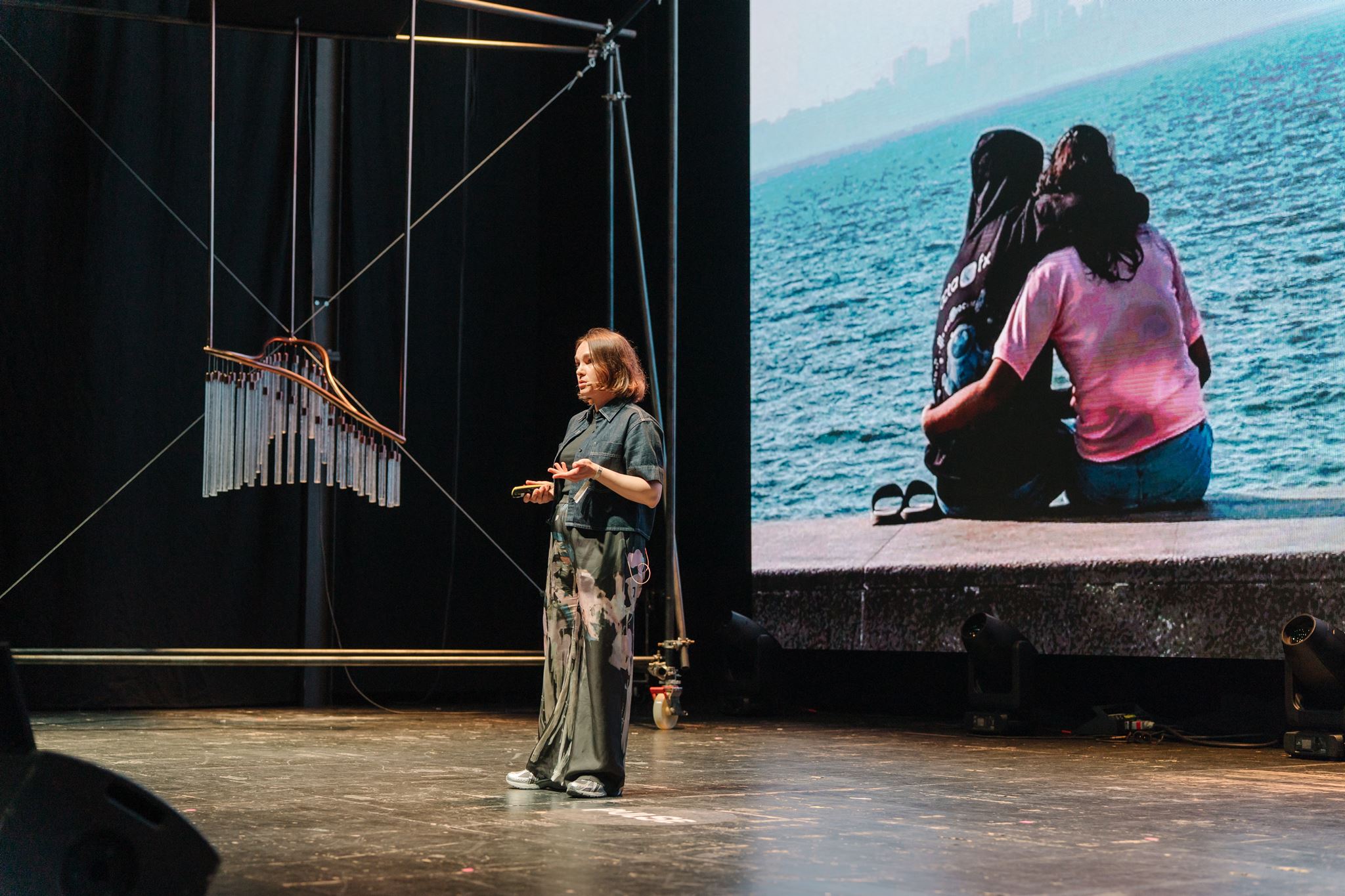
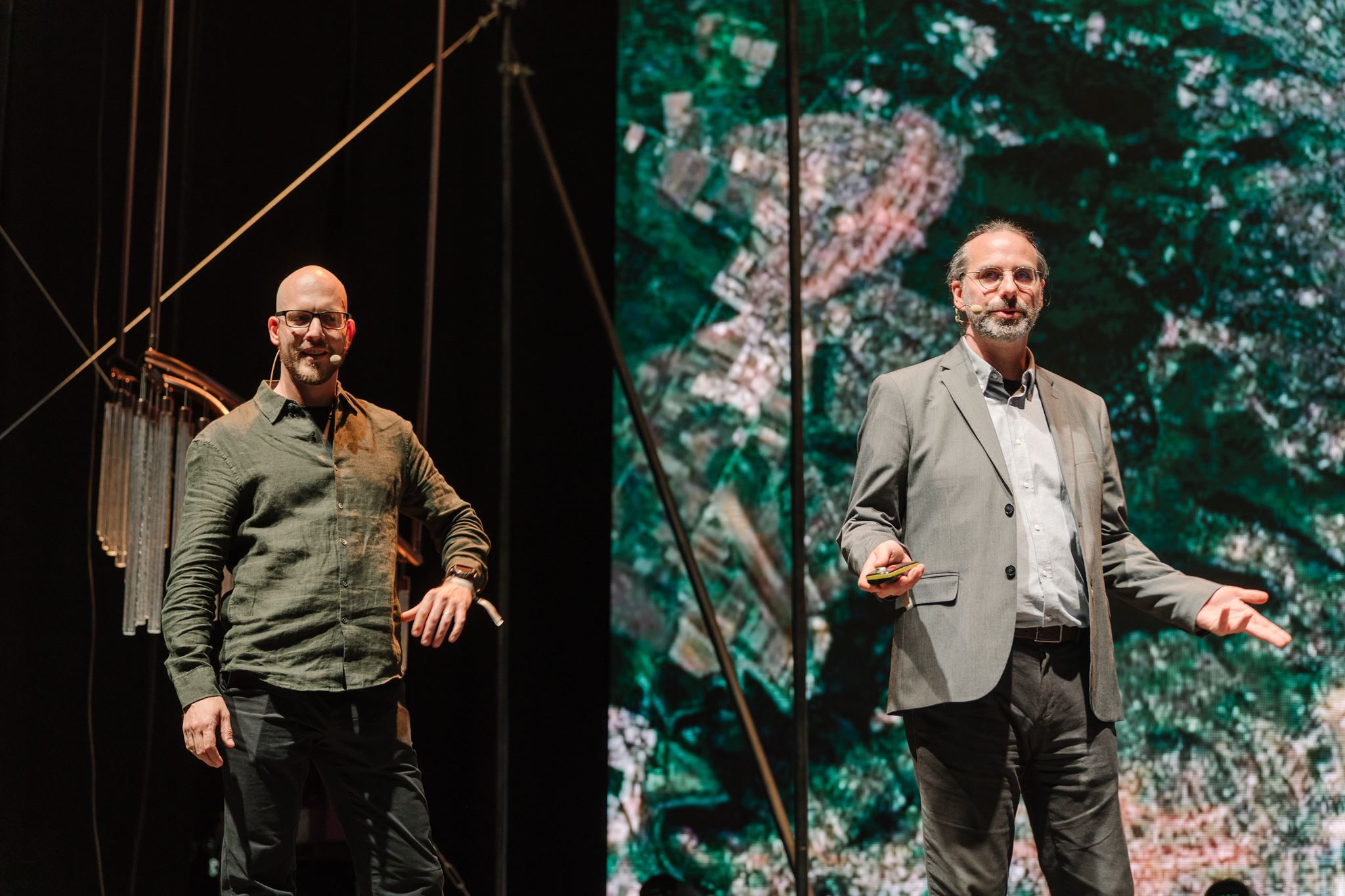
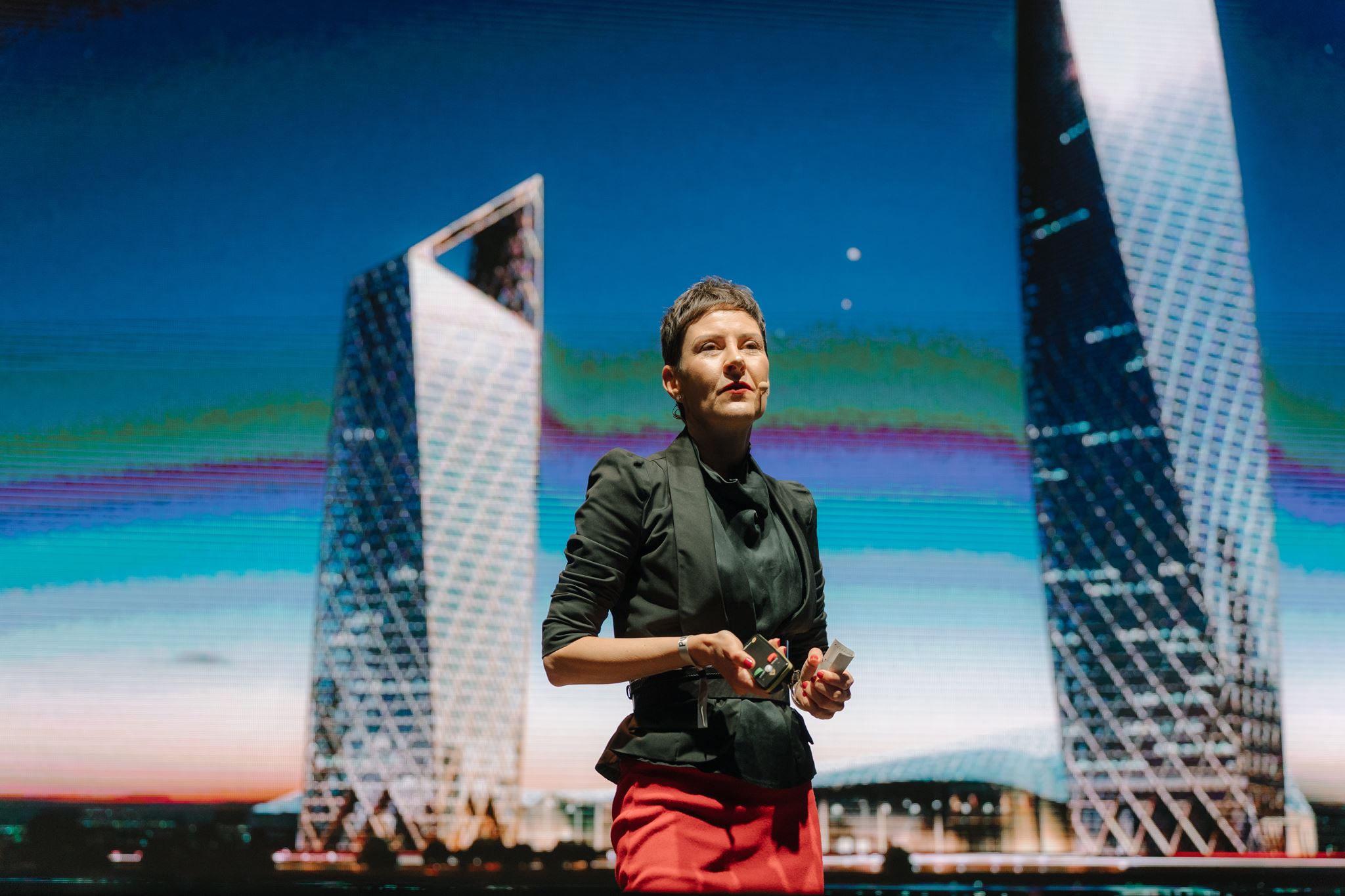
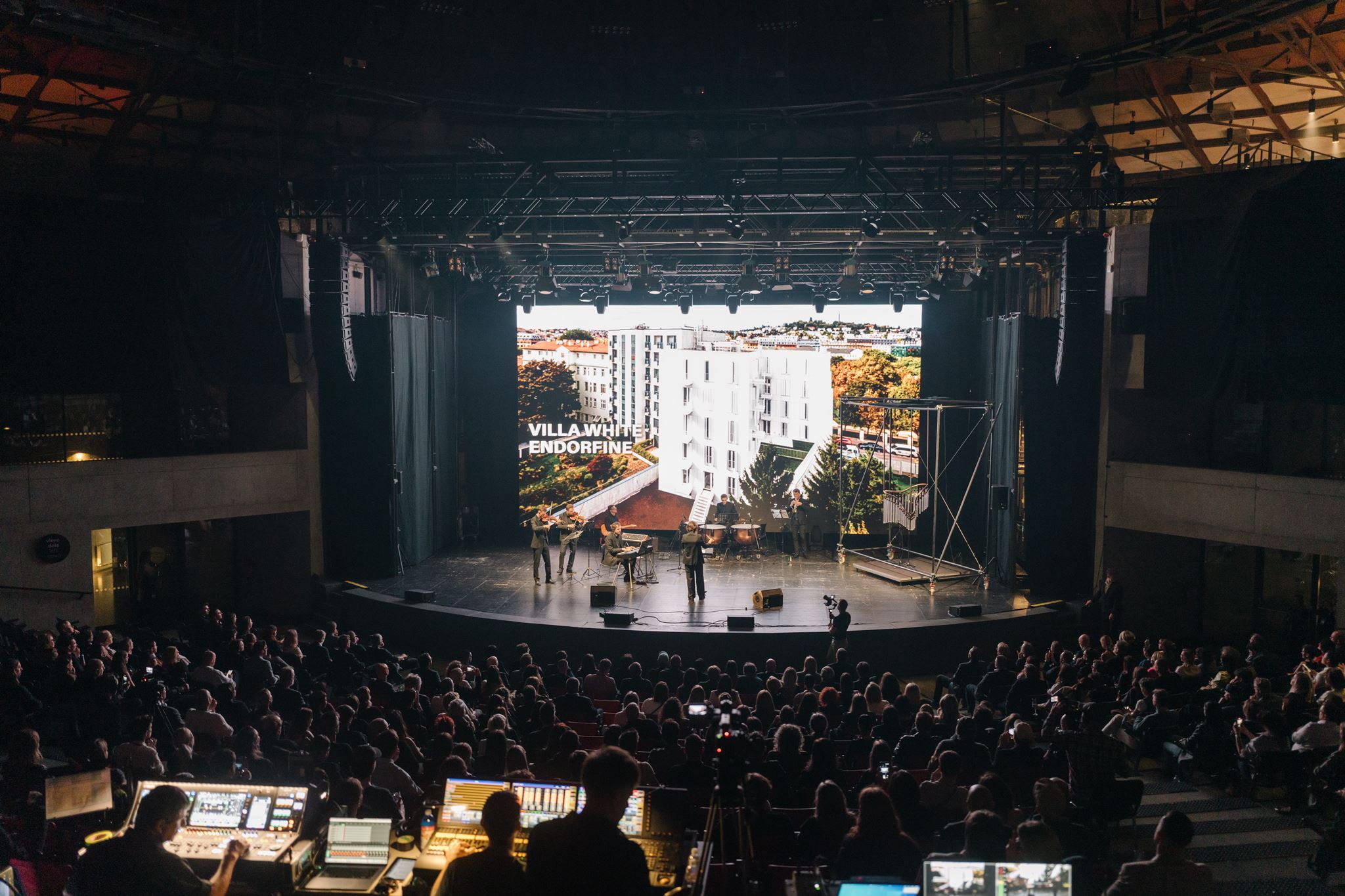
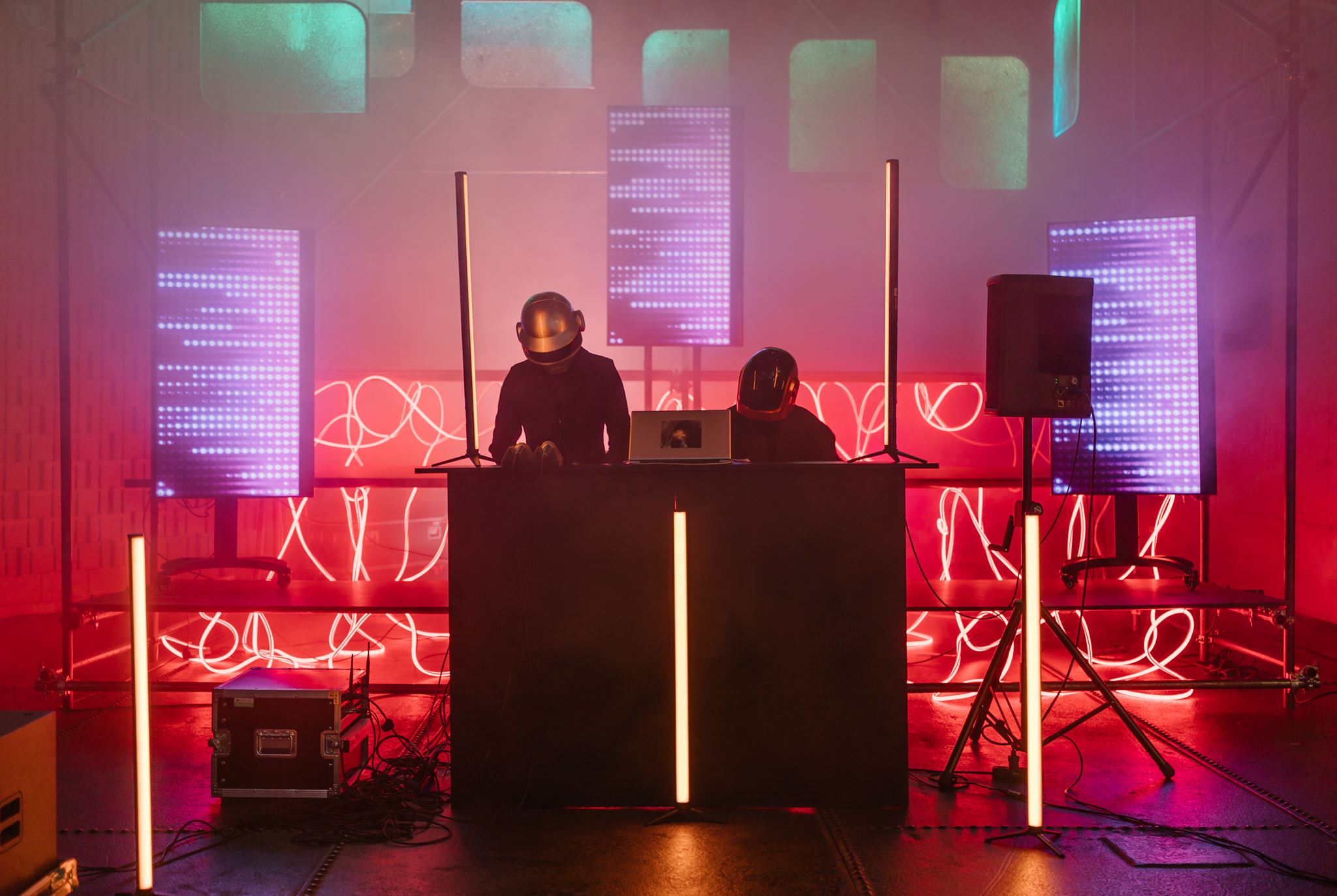
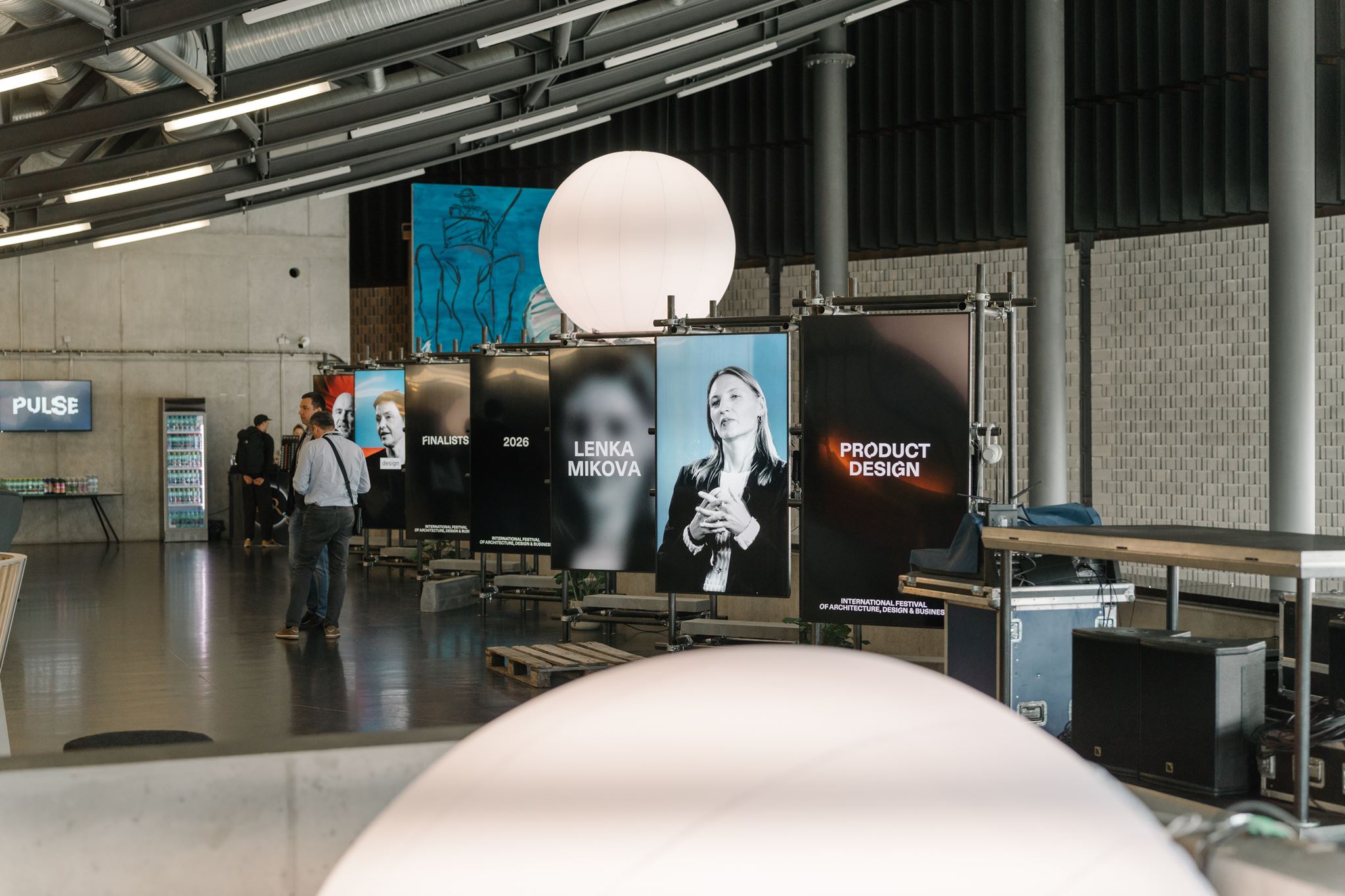
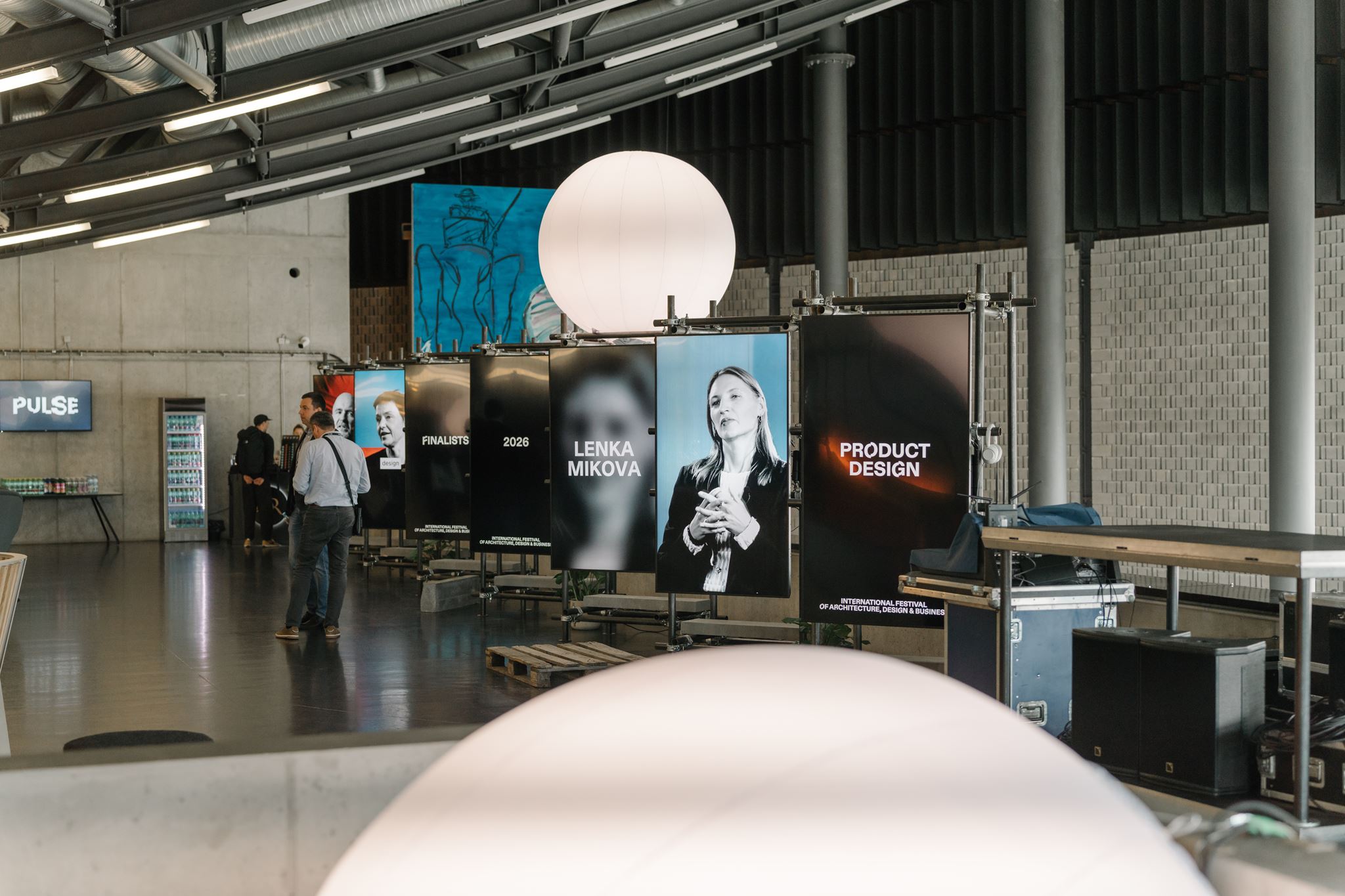
The evening of the first day closed with the PULSE Gala: the announcement of the PULSE Awards finalists, followed by the world premiere of a Sinfonietta — a tribute to Leoš Janáček, composed by Jiří Trtík and performed by the Stro.my Ensemble. In a room of designers and architects, at the end of a day spent discussing the conditions of practice, the music carried its own argument. Ostrava knows how to end a conversation about architecture in a way that recalls what architecture is ultimately for.
PULSE is growing. Ostrava is the right place for it. A city engaged in its own process of critical cooperation with its industrial past — not erasing that past, not aestheticising it for external consumption, but working to find within it new meaning and new function — has an instinctive understanding of what this festival is about.
The next edition of PULSE takes place in Prague this November.