



Lust for Life. Lust for Business. Where Big Ideas Meet the Market
Poland hosts numerous conferences on architecture and design. It is much harder, however, to find one that begins where discussions about big ideas usually end: with money, production, sales, risk and profit. The inaugural edition of Lust for Life. Lust for Business, organised by ARCHISNOB and Wise Habit, was conceived precisely to confront design with the realities of the market and explore what happens to a good idea when it has to become a viable business.
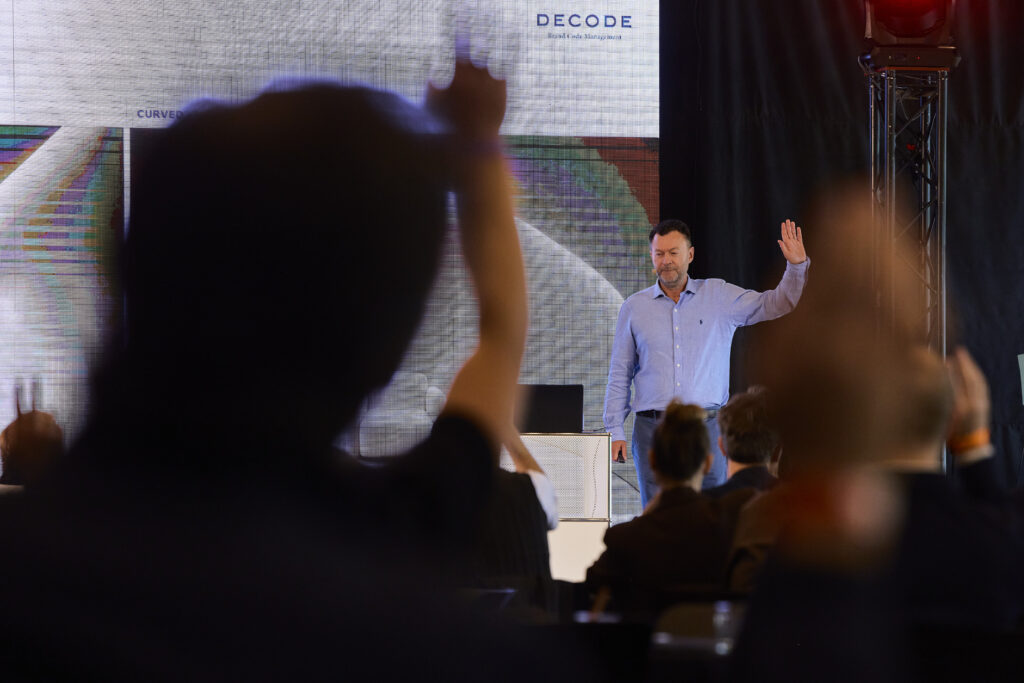
On 29 September, architects, designers, entrepreneurs, manufacturers and technology professionals gathered at the headquarters of the Association of Polish Architects at 2 Foksal Street in Warsaw. They had not come simply to spend several hours looking at completed projects and listening to visions of how the world ought to be. Lust for Life. Lust for Business began with a far less comfortable question: what happens to a good idea when you have to manufacture it, finance it, sell it, build a team around it and still make a profit?
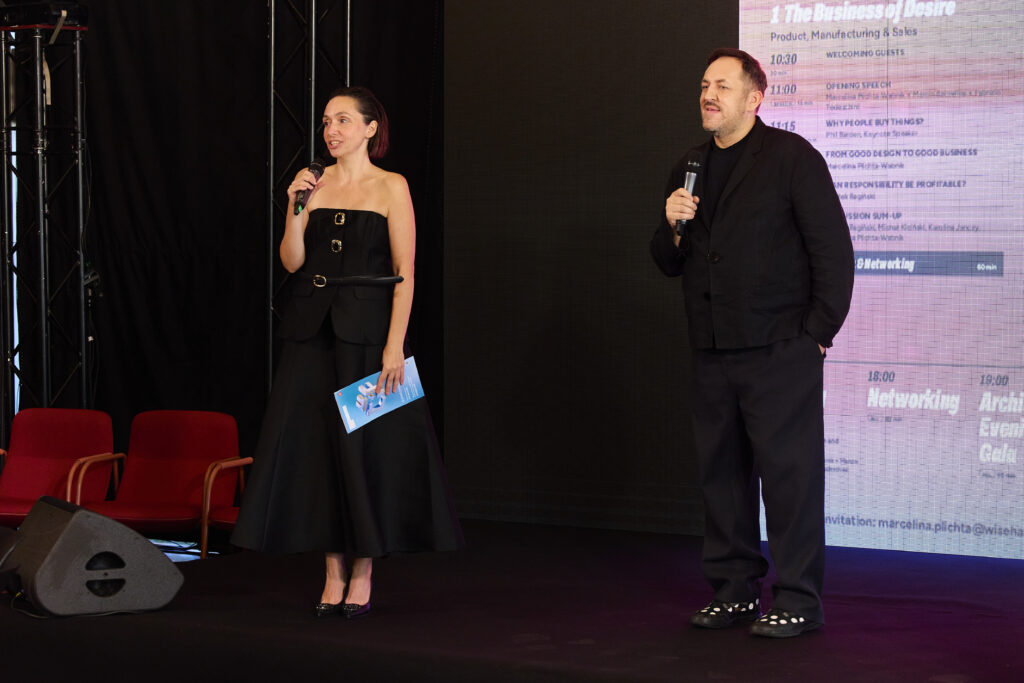
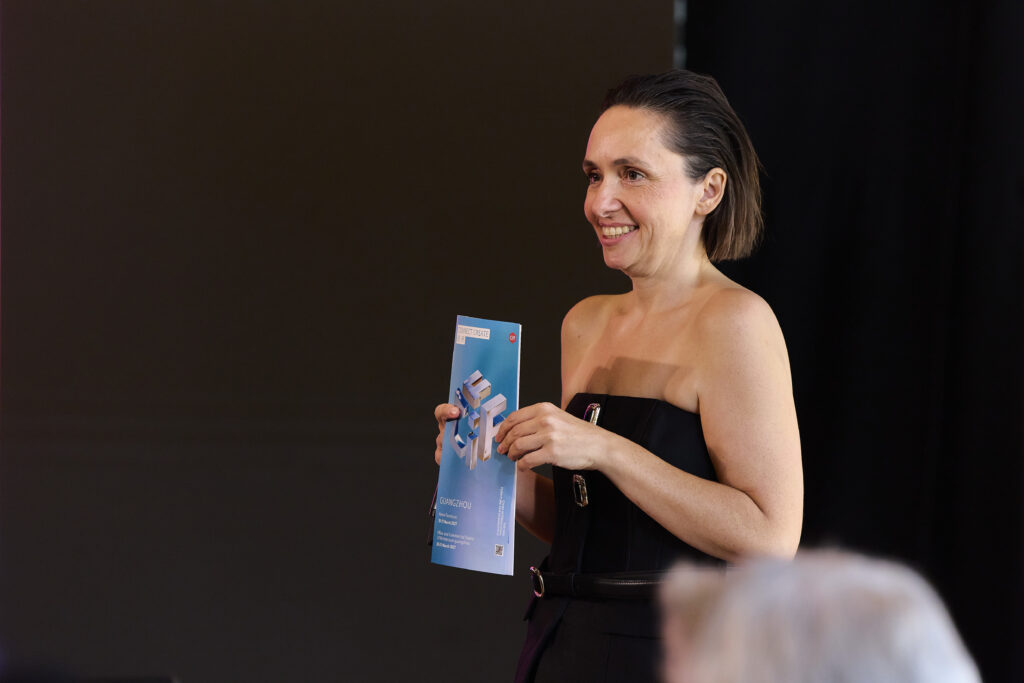
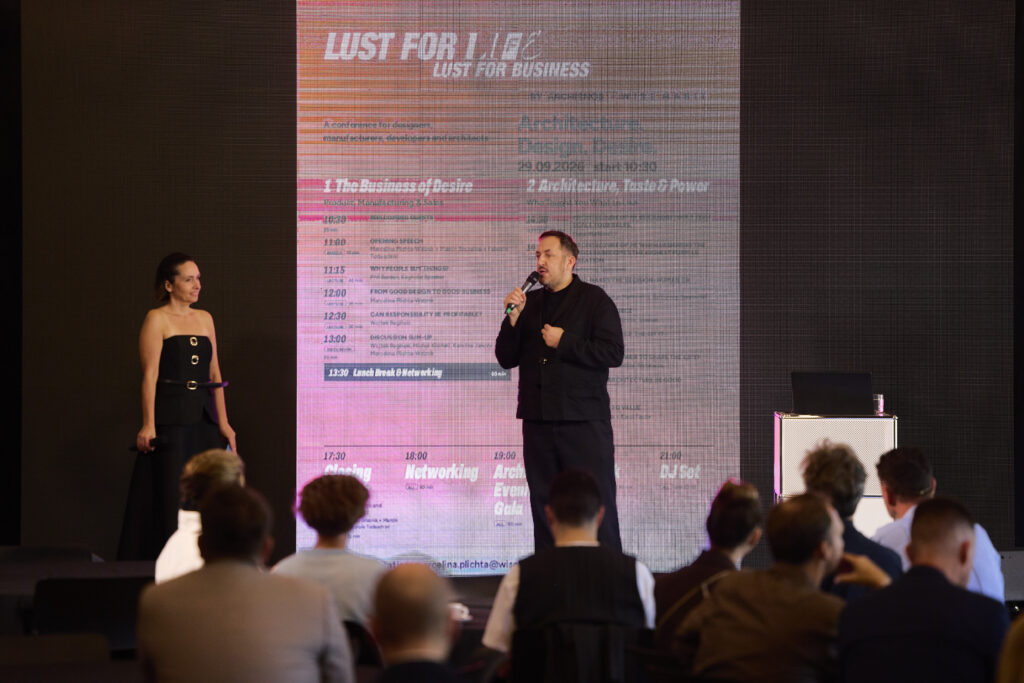
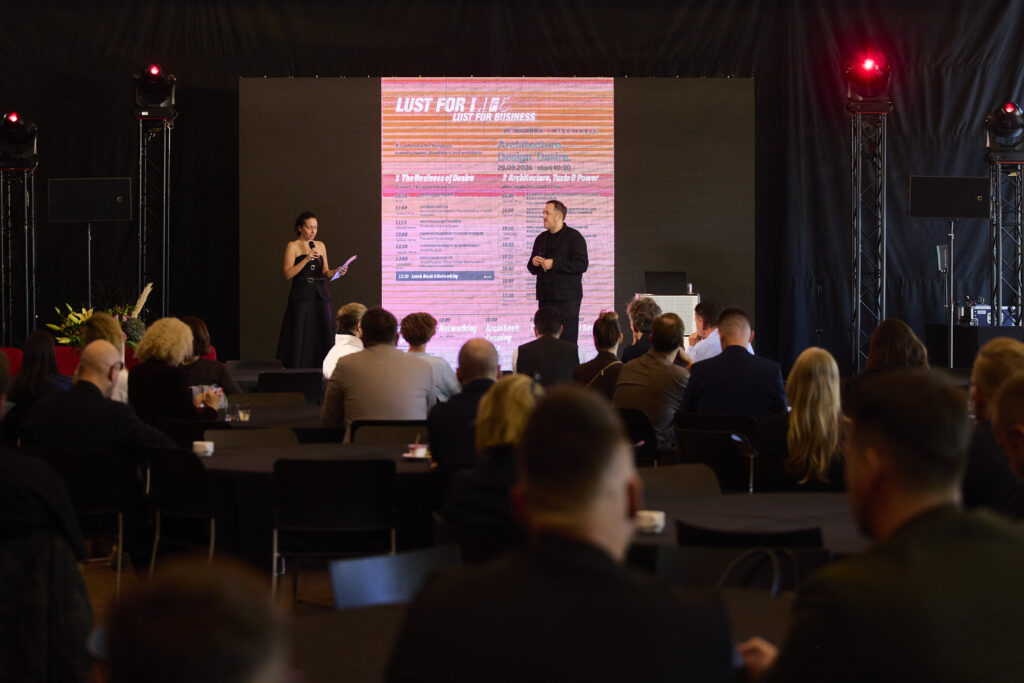
The conference was organised by ARCHISNOB and Wise Habit, with Marcin Szczelina and Marcelina Plichta-Wabnik responsible for its concept and programme. From the outset, the intention was to bring together two worlds that are, in reality, entirely dependent on one another, even if they do not always speak the same language. Architecture and design have become accustomed to discussing quality, responsibility, cities, climate and beauty. Business, sooner or later, asks about costs, sales, scale, risk and profit. Without that perspective, any conversation about design remains incomplete.
Hence Lust for Life. Borrowed from Iggy Pop’s song, the title captures the energy from which everything begins. After all, an appetite for life is also an appetite for objects, places and experiences. We want to live better, work well, travel and surround ourselves with things that mean something to us. Architecture and design give material form to those desires. Lust for Business was added because desire alone is not enough. An idea needs financing, manufacturing and selling. A company that wants to grow must generate revenue, employ people and take responsibility for them. Before a building can become architecture, it needs a site, capital, legal frameworks and an entire development process. This is where big ideas first truly collide with reality.
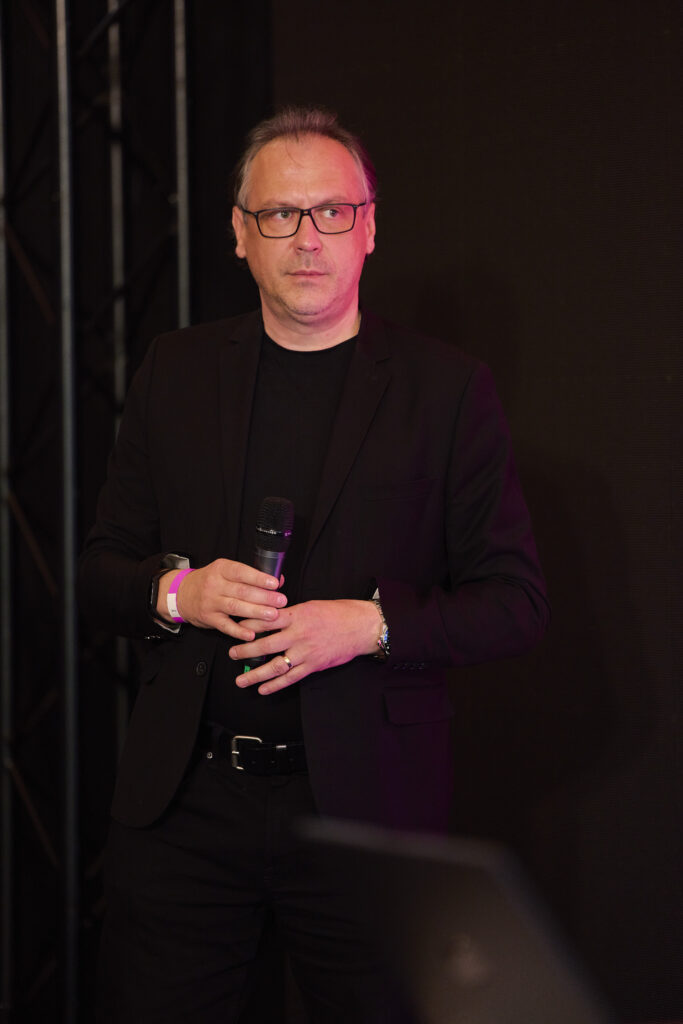
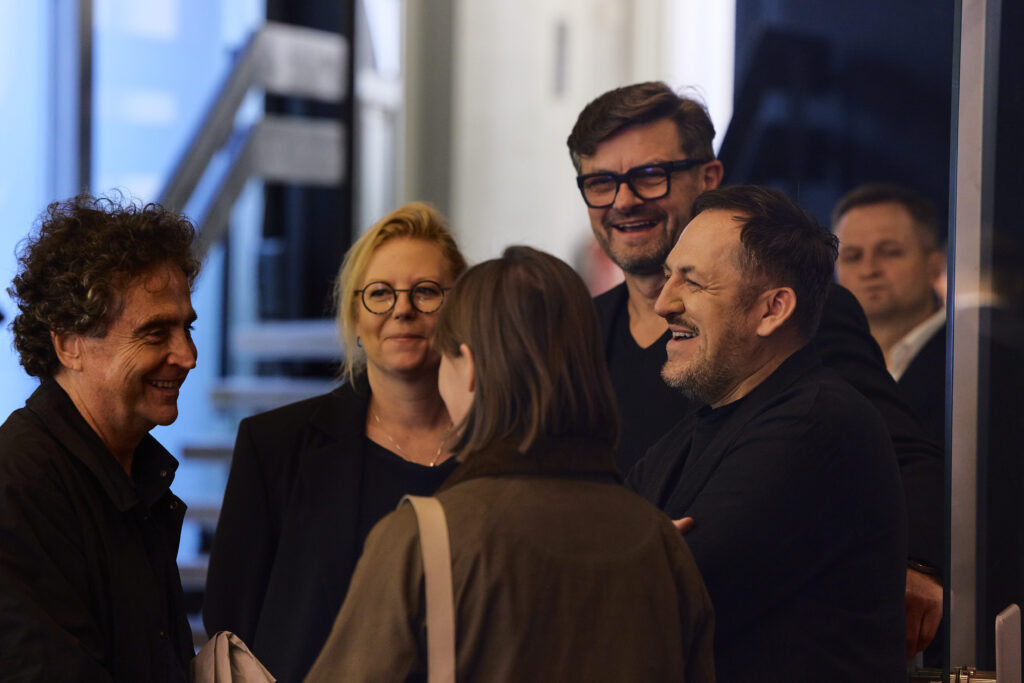
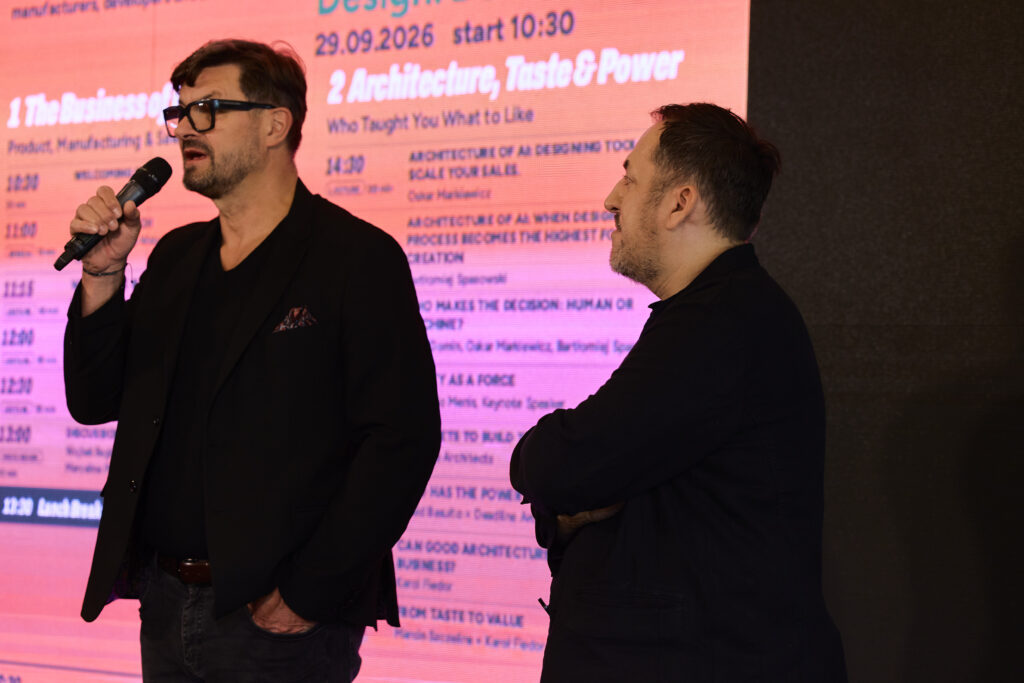
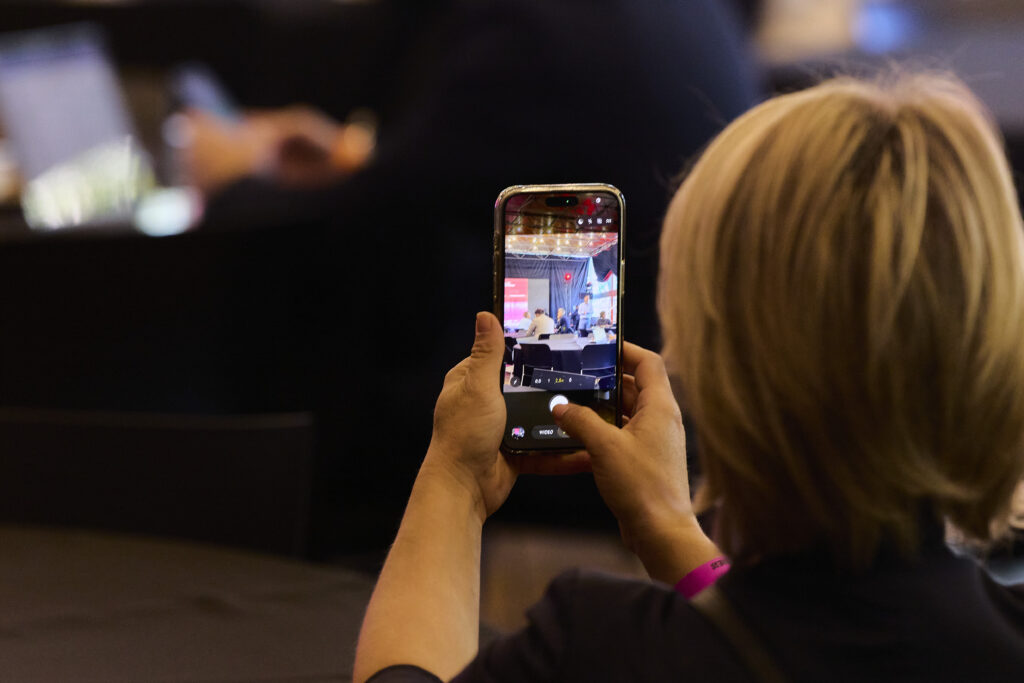
The conference programme was structured around two distinct parts. The Business of Desire focused primarily on design as a product that must make the journey from concept through manufacturing to market. Architecture, Taste & Power explored architecture, new tools and the changing role of the architect. The first session asked how good design can become good business. The second examined how architects can practise their profession today, expand the scope of their work and exert greater influence over the processes through which buildings come into being.
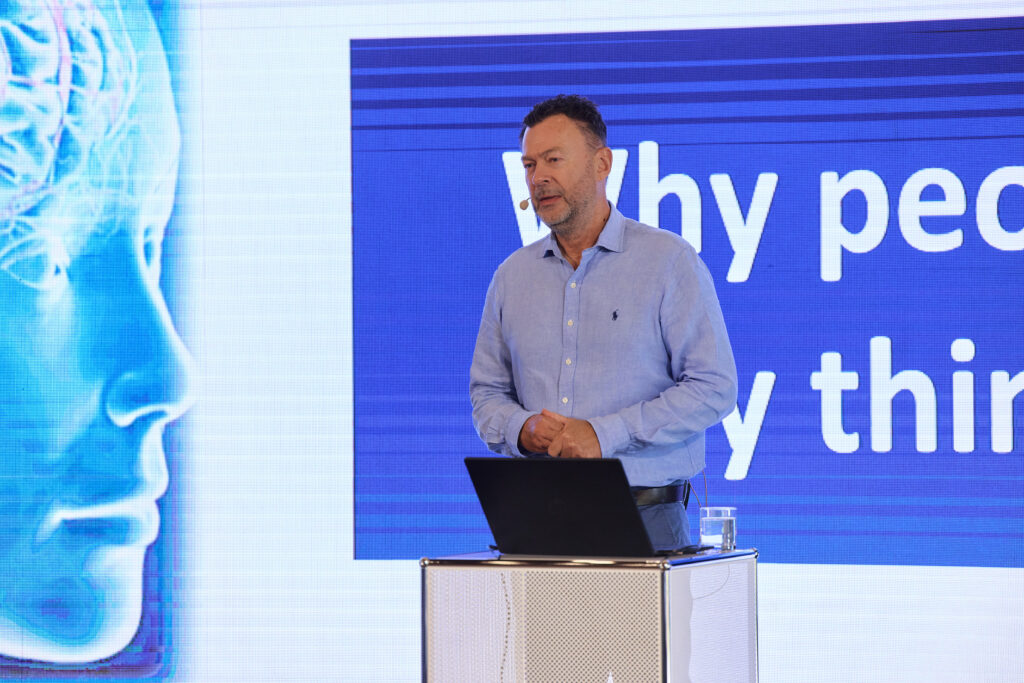
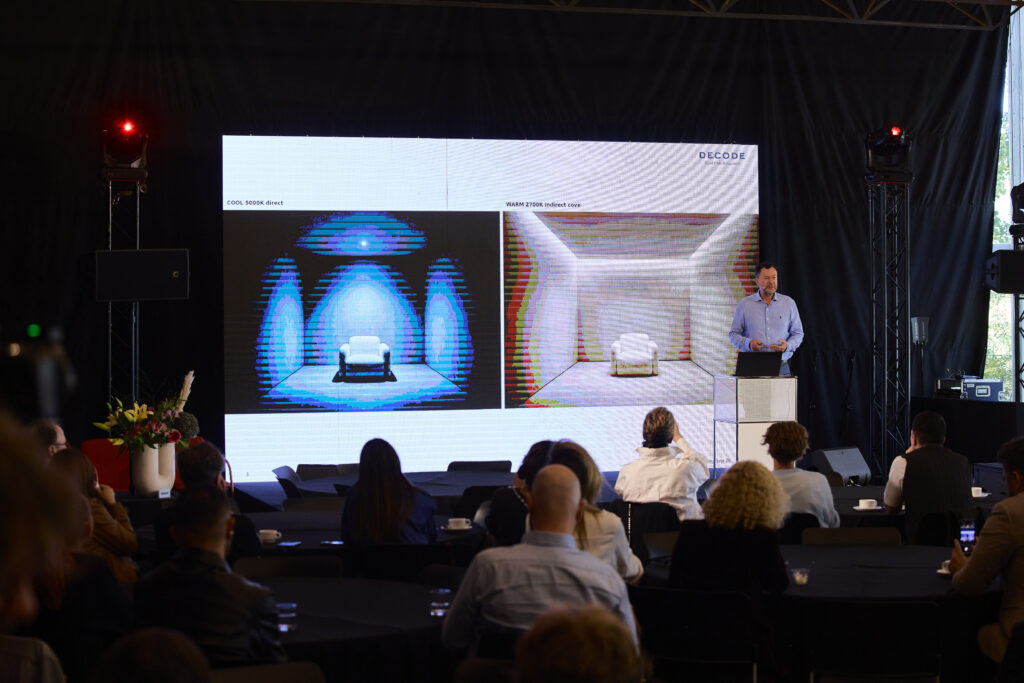
The first session began with the person who buys. For more than 25 years, Phil Barden has been investigating why we choose certain products while barely noticing others. Having gained experience at companies including Unilever, Diageo and T-Mobile, he combined his practical marketing expertise with behavioural economics and research into decision-making in his book Decoded: The Science Behind Why We Buy. The publication brought him international recognition and became an important reference for professionals working in marketing and consumer behaviour.
Barden had not come to Warsaw to teach designers how to advertise. He was interested in something far more compelling: what happens between the moment a good product is created and the moment someone actually begins to want it? The question quickly challenges one of the creative industry’s most persistent beliefs: that good design will eventually speak for itself. It does not always. A product can be brilliantly designed but poorly priced, win awards yet fail to attract customers. It may never progress beyond the prototype stage because nobody considered early enough how it would be manufactured or who would buy it.
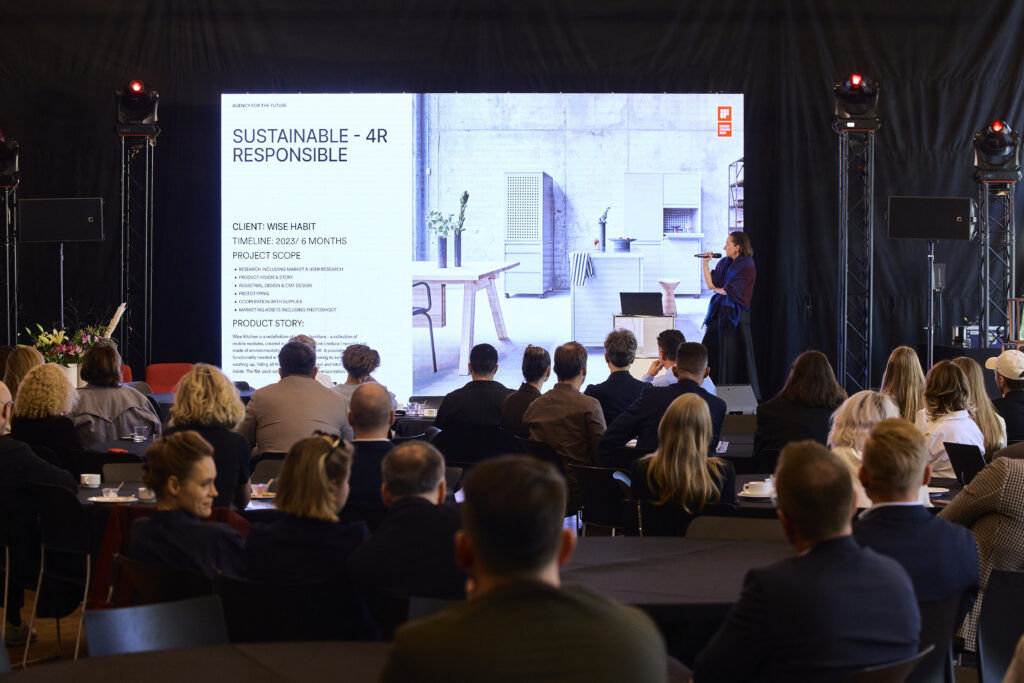
That moment when a project leaves the safety of the design studio is familiar to Marcelina Plichta-Wabnik, founder of Wise Habit, entrepreneur and strategist, who has been involved in the creation and development of more than 300 products. Her presentation, From Good Design to Good Business, addressed commercialisation, manufacturing, scaling and the development of business strategies around design.
Design does not end when the designer closes the file. In many ways, that is when a long journey begins, one that the end user rarely sees. Manufacturers, technologies, materials, logistics, pricing, communication and distribution all enter the picture. Eventually, someone still has to decide that this particular object is something they need and are willing to pay for. It is possible to create an excellent product and build a terrible business around it. Equally, it is possible to establish a highly successful company selling products that contribute very little. The greatest challenge lies in combining design quality with a business model that allows it to operate successfully in the market.
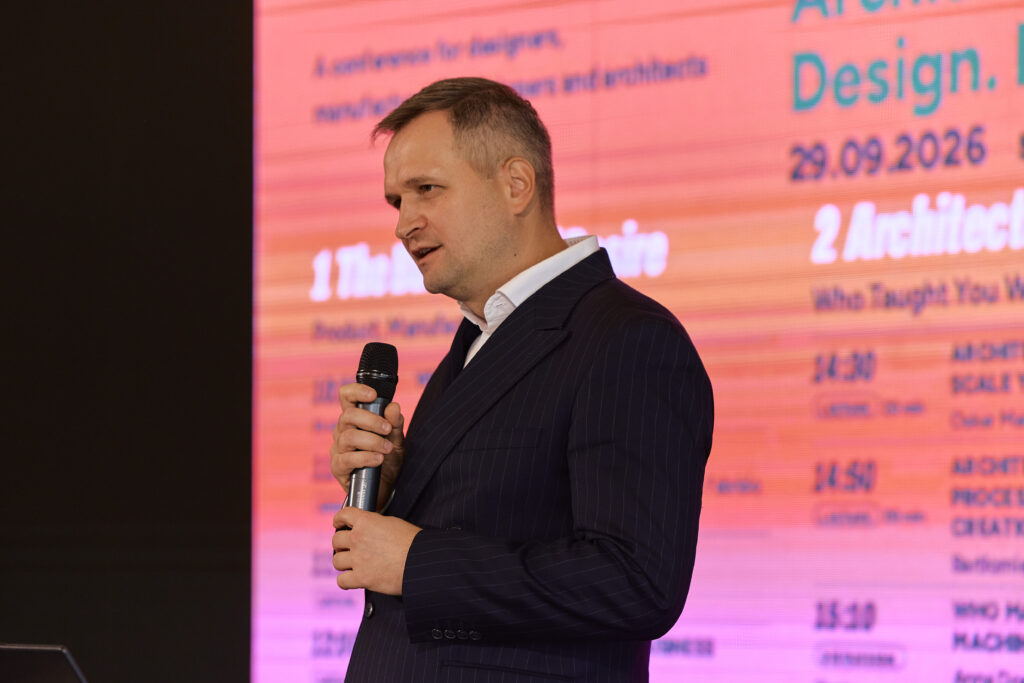
Wojciech Bagiński brought the question of responsibility into the discussion. An international lawyer, partner at Impactiv.Law and board member of B Lab Global, he has spent years working to reshape how businesses understand their purpose and their responsibilities beyond the interests of shareholders alone.
His question, Can Responsibility Be Profitable?, went straight to the heart of the issue. Writing a strategy full of good intentions is easy. Translating those intentions into manufacturing practices, contracts, employee relations, supply chains and financial decisions is considerably harder. Responsibility only begins to mean something when it changes how a company actually operates.
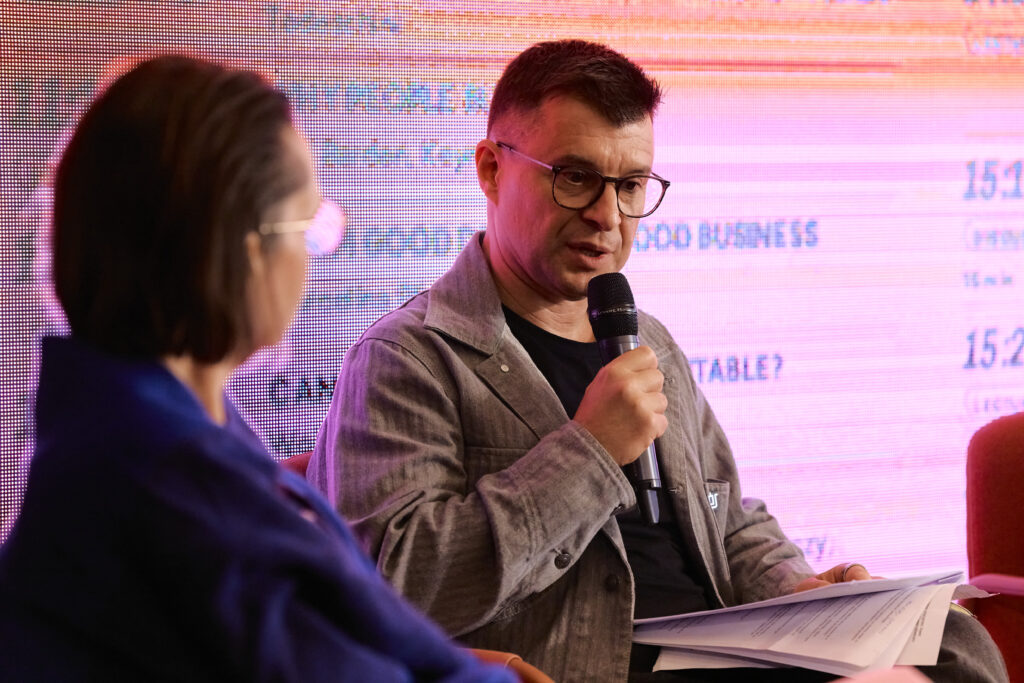
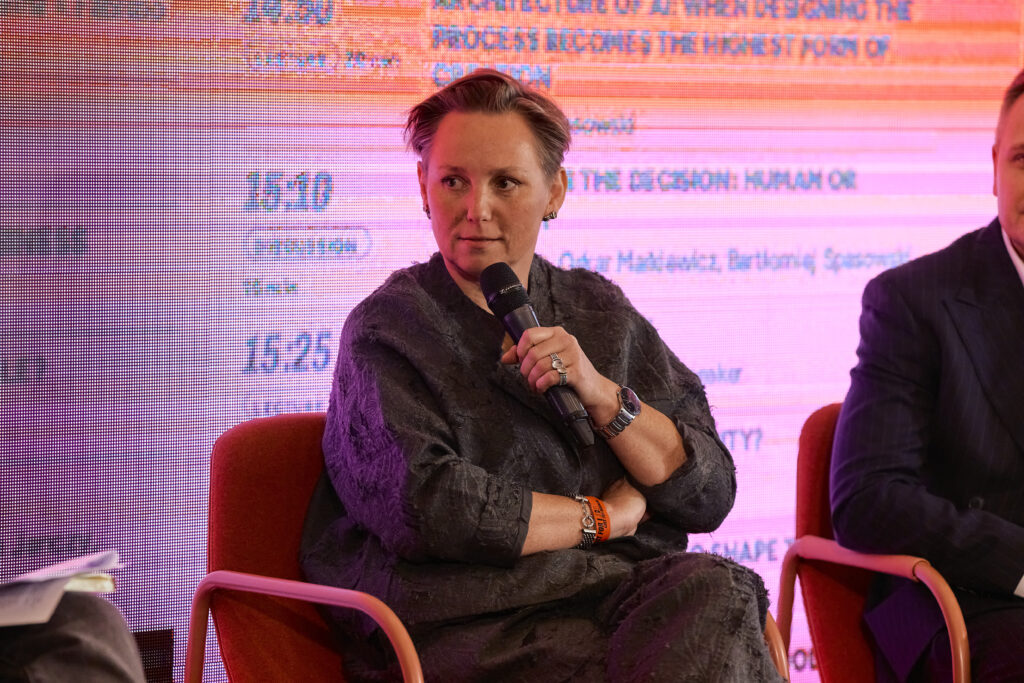
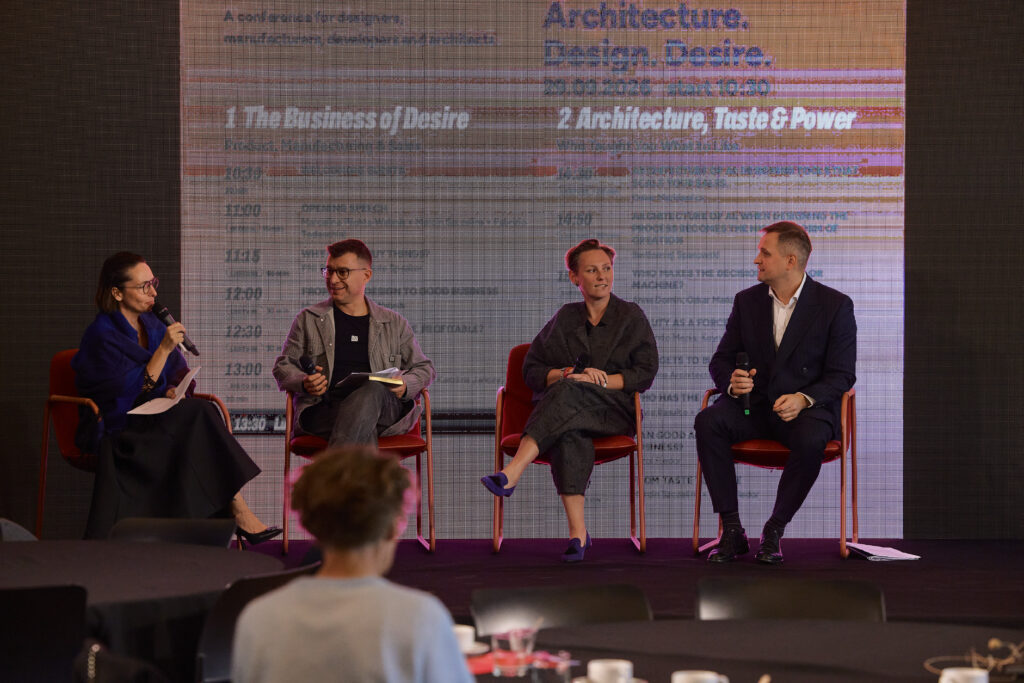
The first part of the day concluded with a discussion featuring Wojciech Bagiński, Michał Kiciński, Karolina Janczy and Marcelina Plichta-Wabnik. Kiciński’s presence was particularly significant. As co-founder of CD Projekt, he helped build a company that grew from a small Polish enterprise into one of the country’s most internationally recognisable technology and gaming brands. The perspective of someone who witnessed that transformation from within offers a different way of discussing ambition, scale and risk.
Yet one of the most down-to-earth, and therefore most powerful, points in the conversation came from Karolina Janczy. She highlighted a paradox familiar to anyone running a design practice. To secure larger projects, you need a team. But to sustain that team, you need a continuous flow of projects, something that can never truly be guaranteed.
At that point, the word “business” stops being about growth charts. Behind every decision to accept another commission or hire another employee are people whose salaries must be paid every month. A company ceases to be merely its founder’s personal dream. It also becomes a responsibility towards those who have chosen to become part of that dream.
The first session therefore traced the journey from desire to product, revealing along the way the entire reality concealed behind an object we might later encounter in a shop, hotel or restaurant. Good design needs good business, not because everything should be subordinated to sales, but because without a functioning business, it may never reach people at all.
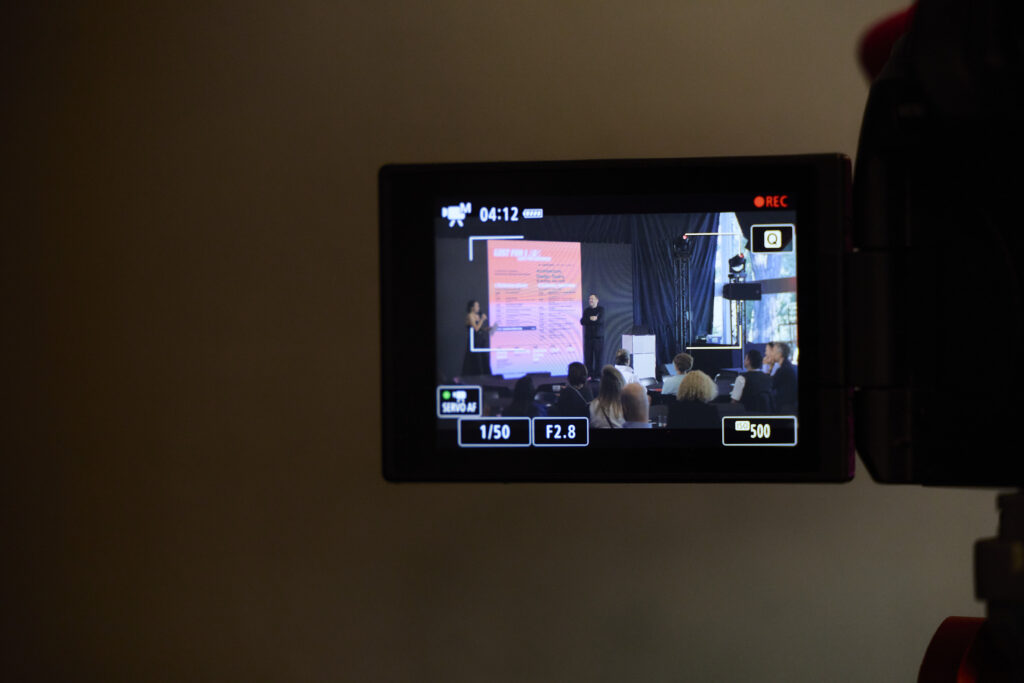
After the break, the conference shifted its perspective considerably. The second session focused primarily on architecture. Architecture, Taste & Power raised questions about how the architectural profession itself is changing. What new tools can architects use? How can they organise their work more effectively? Must they wait for a client to arrive with a predefined commission, or can they become involved earlier, establish partnerships, understand financing and take greater responsibility for the conditions in which architecture is produced?
This explains why artificial intelligence, Fernando Menis, Deadline Architects and Karol Fiedor’s experience could all feature in the same session. At first glance, these are very different stories. What connected them was a shared question about the resources available to architects today and how far they can move beyond the traditional role of designer.
Oskar Markiewicz, a specialist working with search technologies, large language models and the development of AI-based tools, approached artificial intelligence through the lens of systems, data and processes. Bartłomiej Spasowski, founder of modulla.ai and a specialist in process design, brought the discussion closer to the everyday realities of running a company, demonstrating how technology can be put to practical use in its operations.
AI was therefore not presented as yet another machine for generating spectacular images. The more interesting question was what it could change in the day-to-day operation of an architectural practice: research, documentation, information analysis, knowledge management and repetitive tasks. Technology can accelerate many activities, but it cannot, by itself, fix poorly organised work. First, you need to understand which problem you are trying to solve.
The presentations by Oskar Markiewicz and Bartłomiej Spasowski were followed by a discussion moderated by Anna Domin, an AI Ambassador and expert who examines technology through the perspectives of humanism and ethics.
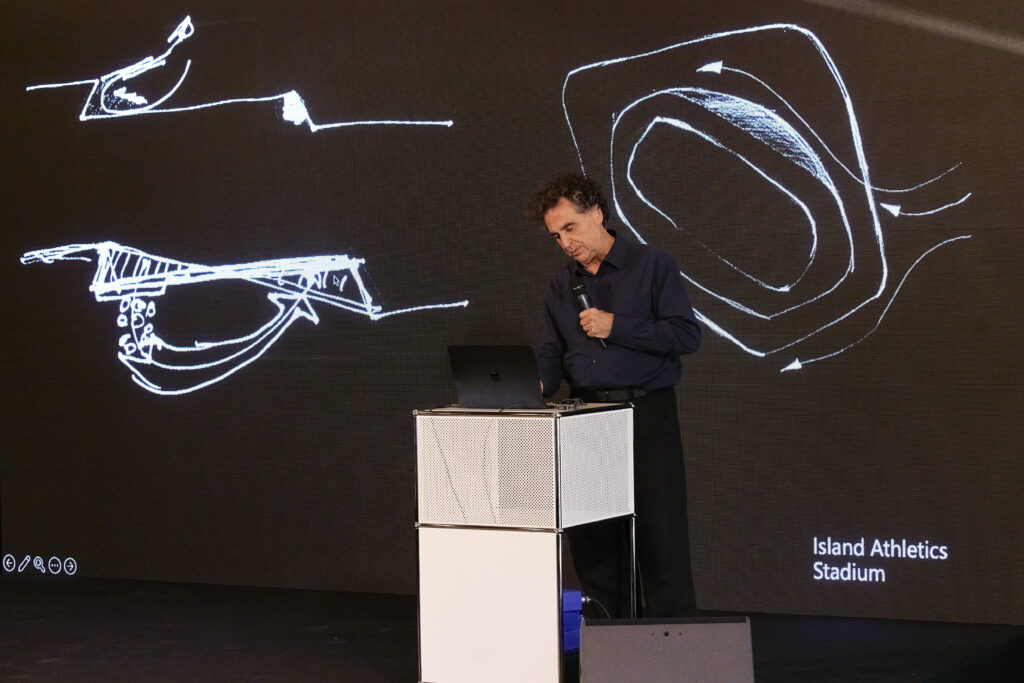
Following the conversation about technology, Fernando Menis took the stage, and the atmosphere changed completely. For more than forty years, the Spanish architect has been developing his own architectural language, rooted in landscape, material, light and sound. His work has been presented at venues including the Venice Architecture Biennale and MoMA, while in Poland his name is most closely associated with the CKK Jordanki cultural and congress centre in Toruń.
In Warsaw, he presented projects including the Park Seo-Bo Museum of Art on Jeju Island and the transformation of the historic Viera y Clavijo complex in Tenerife. He also returned to his concept of Zero Kilometer Architecture, based on sourcing materials, knowledge and resources as close as possible to the place where a building is constructed.
After AI, this was a necessary change of perspective. Algorithms gave way to the physical weight of materials; automation to the ways in which light transforms space. Menis reminded the audience that regardless of how profoundly architects’ tools may change, they ultimately design for people. Architecture must be walked through, heard and touched. An image viewed on a screen captures only a fraction of that experience.
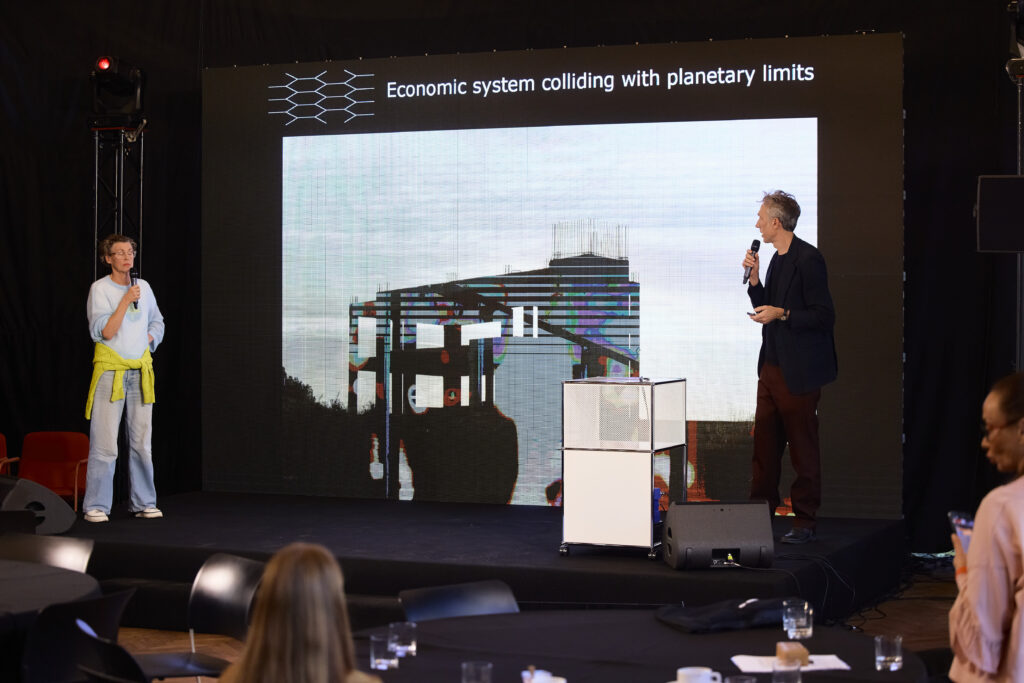
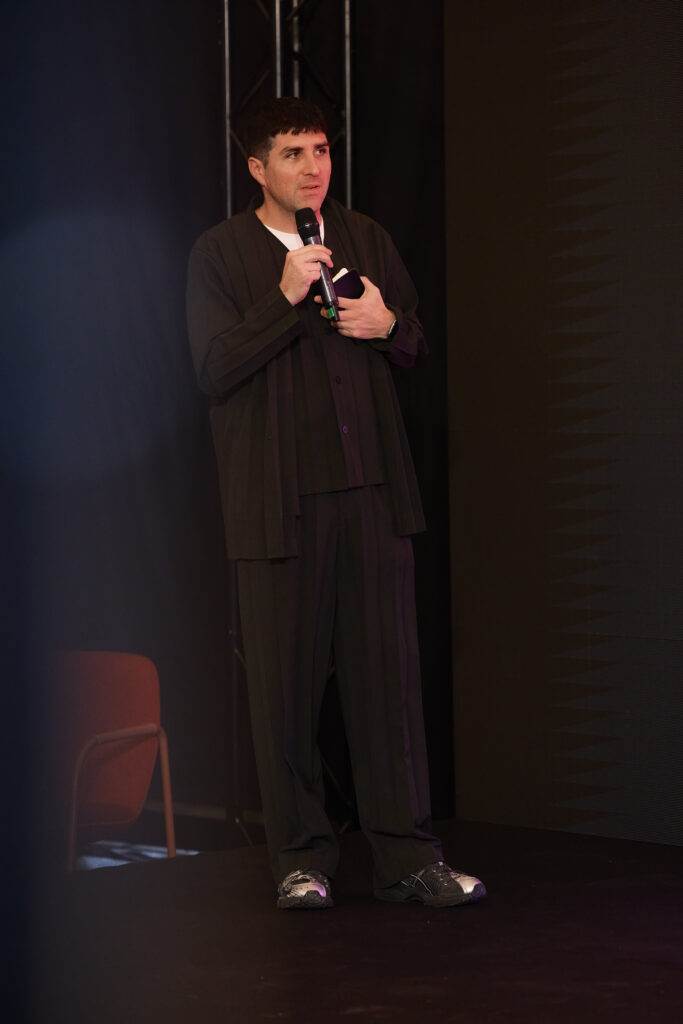
The most radical question of the second session, however, was not how to design, but how to practise architecture.
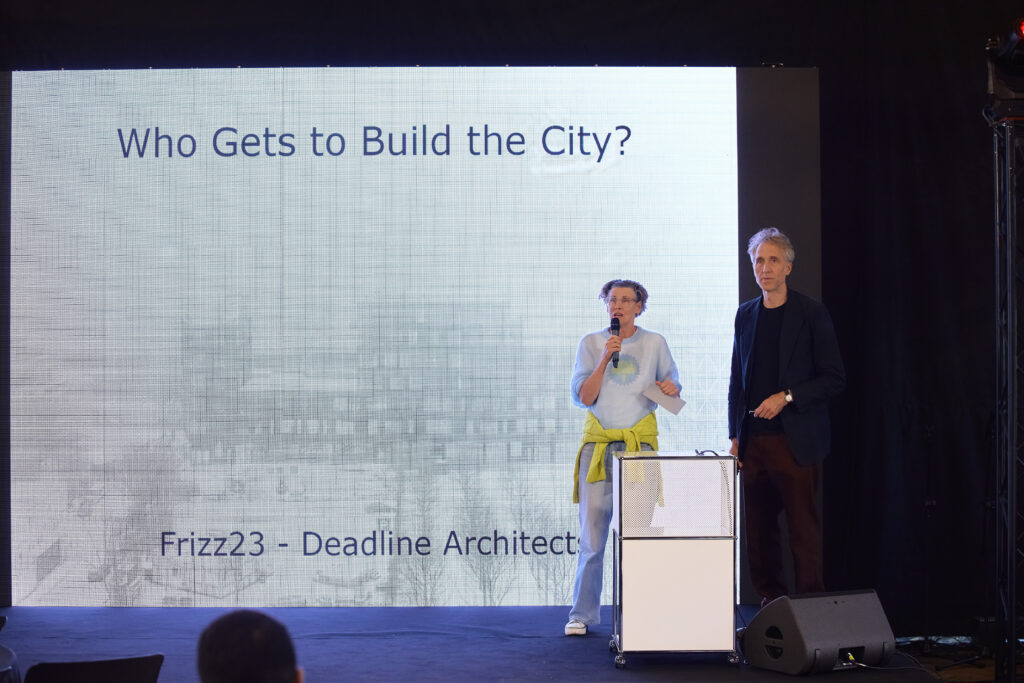
Britta Jürgens and Matthew Griffin, founders of Deadline Architects, have worked at the intersection of architecture and urban activism for more than three decades. Their Berlin-based practice offers an example of an approach in which architects do not have to enter the picture only after all the fundamental conditions of a project have already been established.
Perhaps the clearest illustration is FRIZZ23 in Berlin-Kreuzberg. What makes the project particularly interesting is not simply the building itself, but the process through which it came into existence. Deadline did not wait for a developer to arrive with a site, financing and a completed brief. The architects became involved much earlier, helping to assemble a group of future users, organise the development and establish its economic foundations.
Reversing that sequence has enormous implications. In the traditional model, architects are often appointed after the site has been acquired, the financing calculated, the programme established and many of the most important decisions already made. They can still create an excellent building, but they operate within boundaries defined by others.
Deadline demonstrates that architects can try to secure a seat at the table much earlier. They can initiate developments, find partners, bring groups together, discuss ownership and financing, and negotiate with the city. Designing the building then becomes part of a much broader process.
The conversation with Jürgens and Griffin was moderated by David Basulto, a Chilean architect and co-founder of ArchDaily, one of the world’s most influential architecture media platforms. For nearly two decades, he has observed how architecture emerges under widely differing social, economic and political conditions. He was also co-curator of the Nordic Pavilion at the 2016 Venice Architecture Biennale. In this discussion, FRIZZ23 became more than an interesting case study from Berlin. It raised a fundamental question about the future of the profession. Cities, after all, are not shaped solely by good and bad designs. They are shaped by land prices, ownership, legislation, capital, politics and the interests of developers. Architects who want to have a meaningful influence on the city must understand these mechanisms. Sometimes, they should also attempt to become active participants in them.
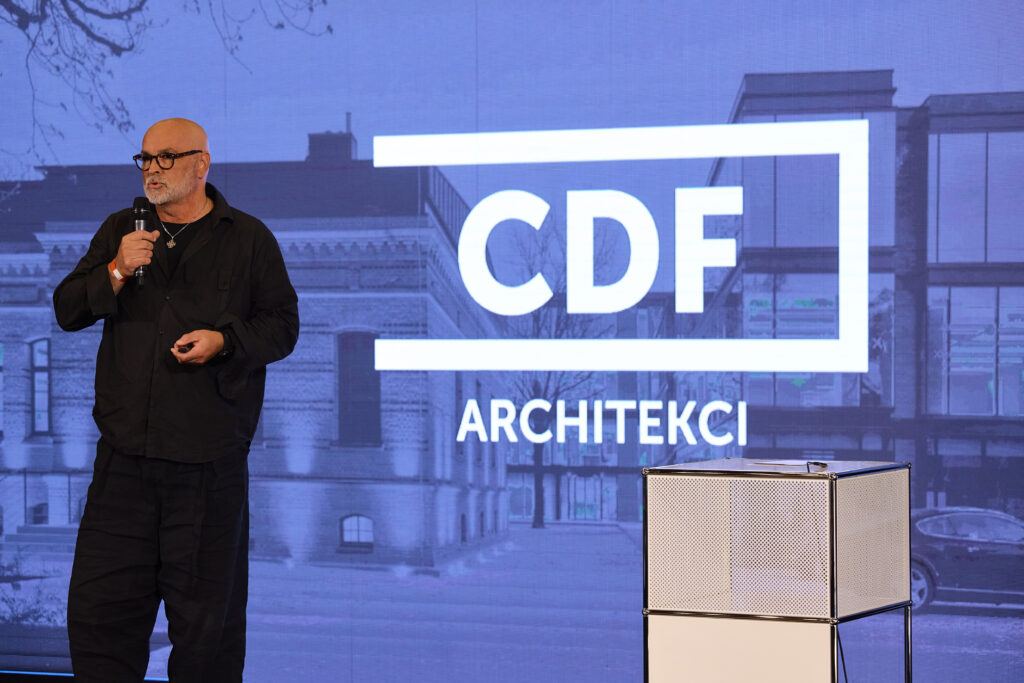
It was at this point that the Berlin story intersected with a very specific Polish experience. Karol Fiedor, founder of CDF Architekci, revisited UBIQ 34 in Poznań, a mixed-use office and commercial complex combining contemporary architecture with preserved buildings from a former military barracks.
It is one of the practice’s significant projects, recognised both for its architecture and for the way it introduced new functions into the existing urban fabric. In this development, Fiedor was not acting solely as the architect. He was also on the investment side.
Suddenly, the comfortable division of roles no longer applies. There is no longer an architect with good intentions and a developer demanding cost reductions. Every design decision has financial consequences, and every economic decision leaves its mark on the architecture. You have to decide for yourself where it is worth spending more, which risks are acceptable, what can be sacrificed and where the line lies beyond which the entire development ceases to make economic sense.
In conversation with Marcin Szczelina, Fiedor also reflected on the perspective gained from thirty years of professional practice. Experience does not eliminate uncertainty, nor does it automatically provide distance from one’s own work. What changes over time is the scale of responsibility. An architect must learn to reconcile their ambitions with the responsibilities of an entrepreneur.
Placing the experiences of Deadline Architects and Fiedor alongside one another revealed where this part of the conference was heading. Architects can move beyond the role of professionals waiting for a ready-made commission. Greater agency, however, comes at a price. Control brings risk, and the more decisions you are empowered to make, the harder it becomes to shift responsibility for their consequences onto someone else.
In this sense, the second session was not simply about a handful of new tools. AI may be one such tool, but so can a different approach to running a practice, the ability to build partnerships, earlier involvement in the development process or the decision to become the investor in one’s own project.
The question is therefore no longer simply: how can we design better? Increasingly, we must ask how to create the conditions in which better architecture can come into being in the first place.
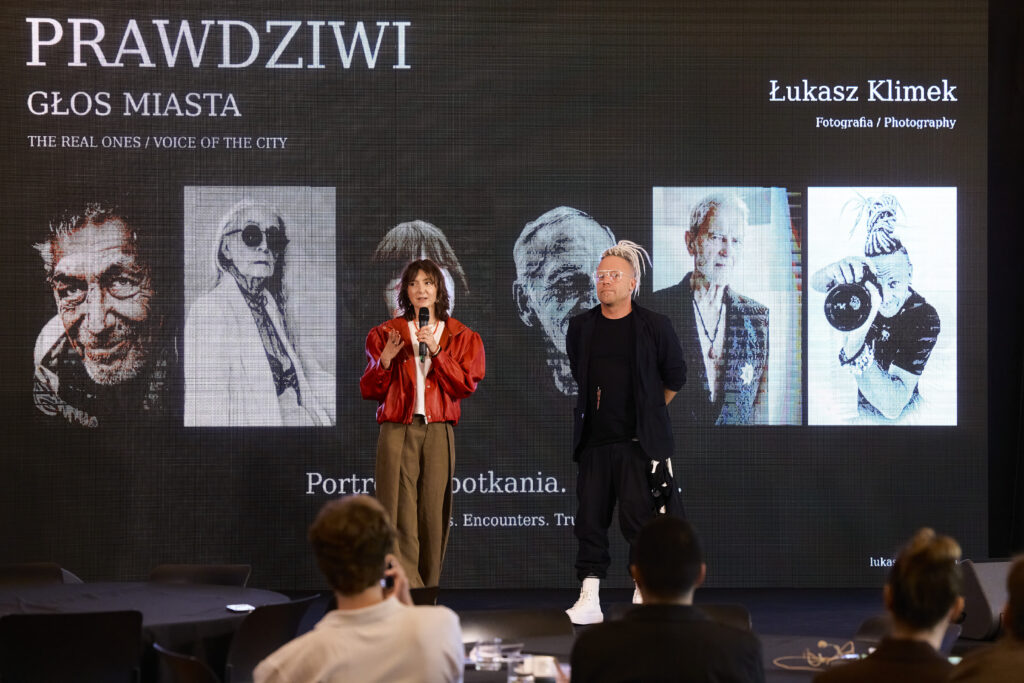
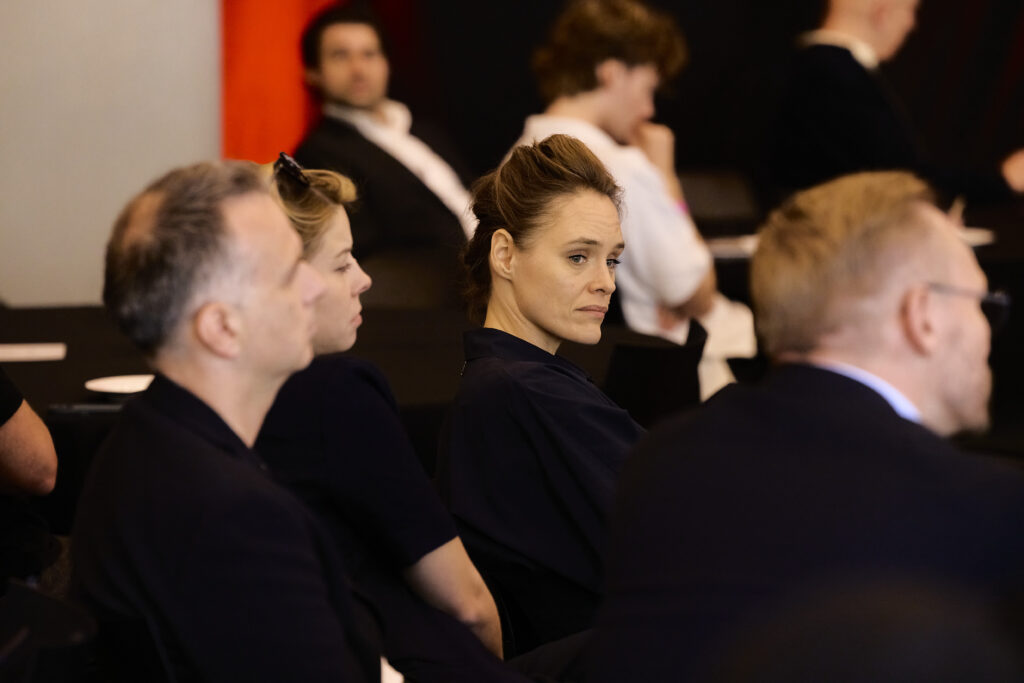
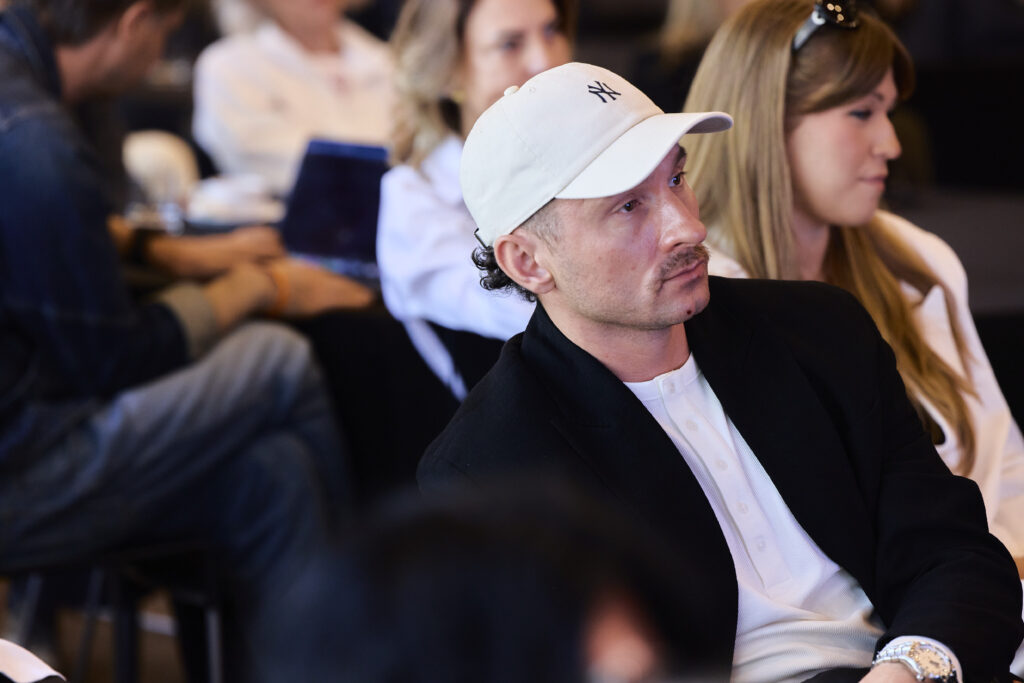
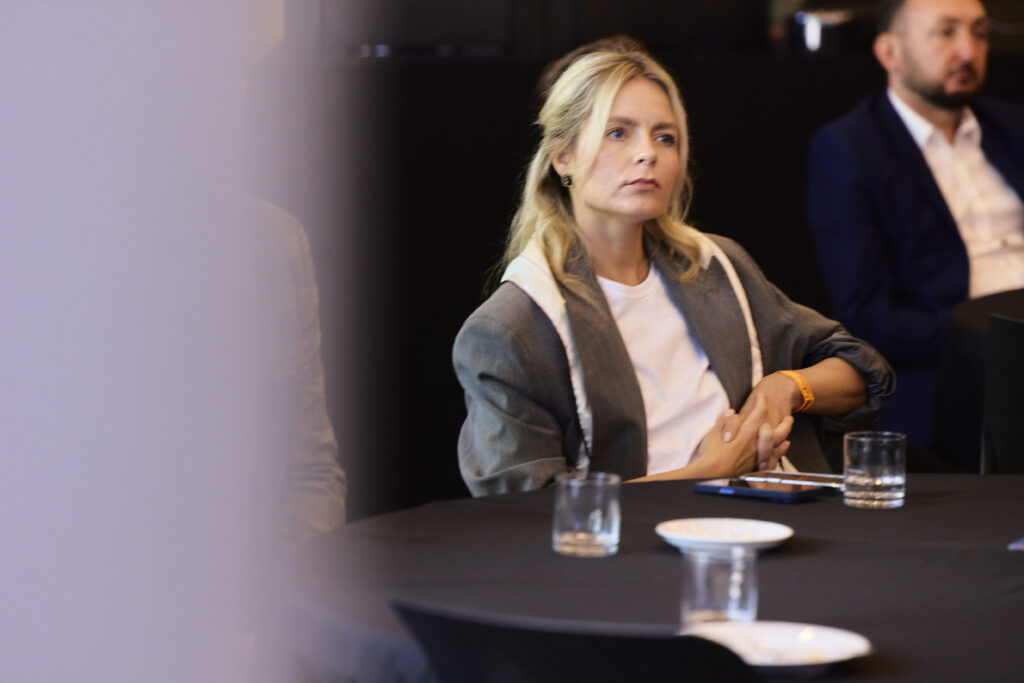
The final panel did not bring the event to an end. Lust for Life. Lust for Business flowed naturally into the evening programme and continued late into the night. Conversations that had begun on stage carried on among the participants.
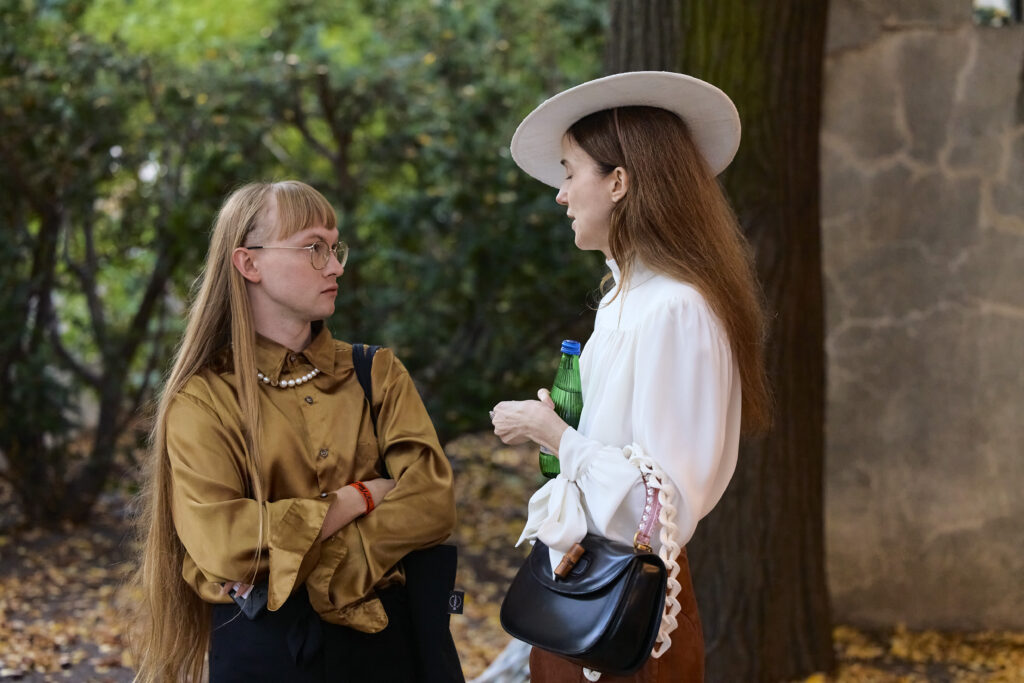
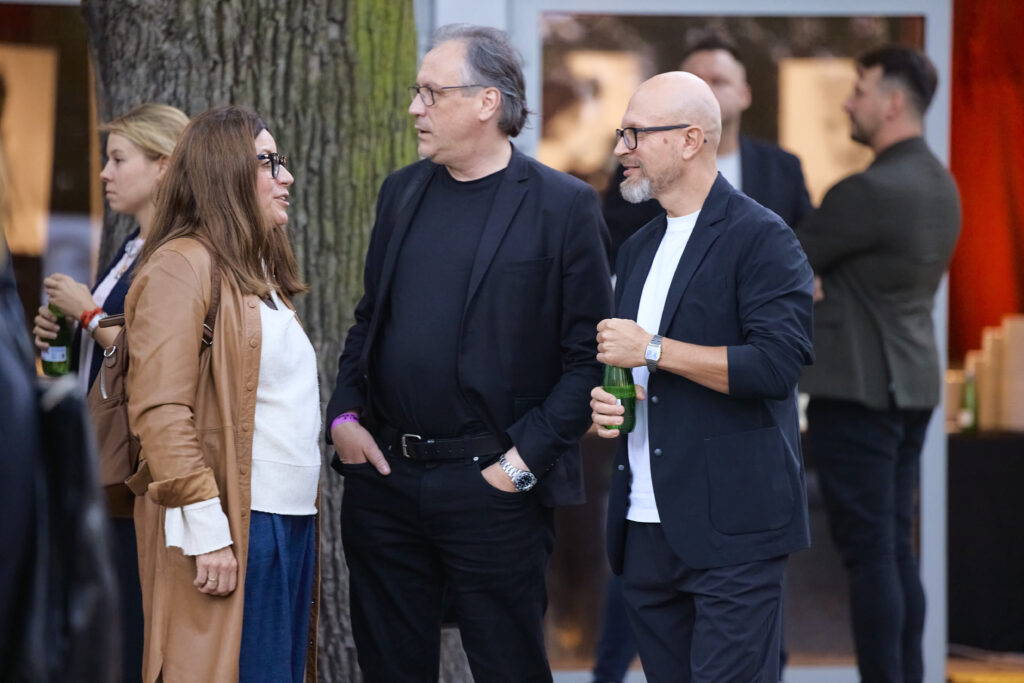
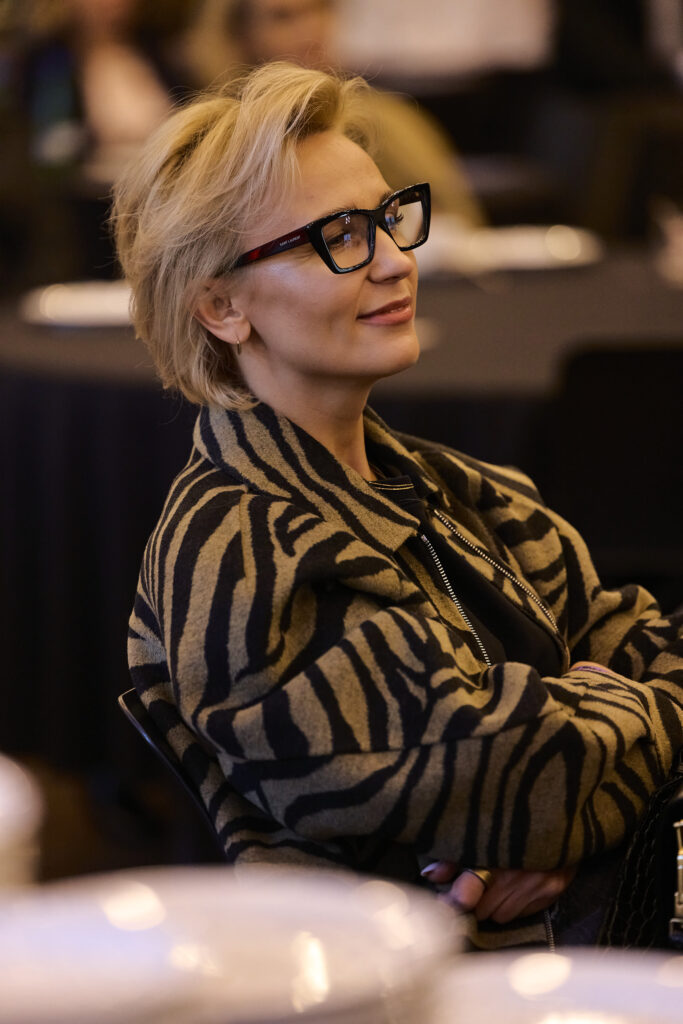
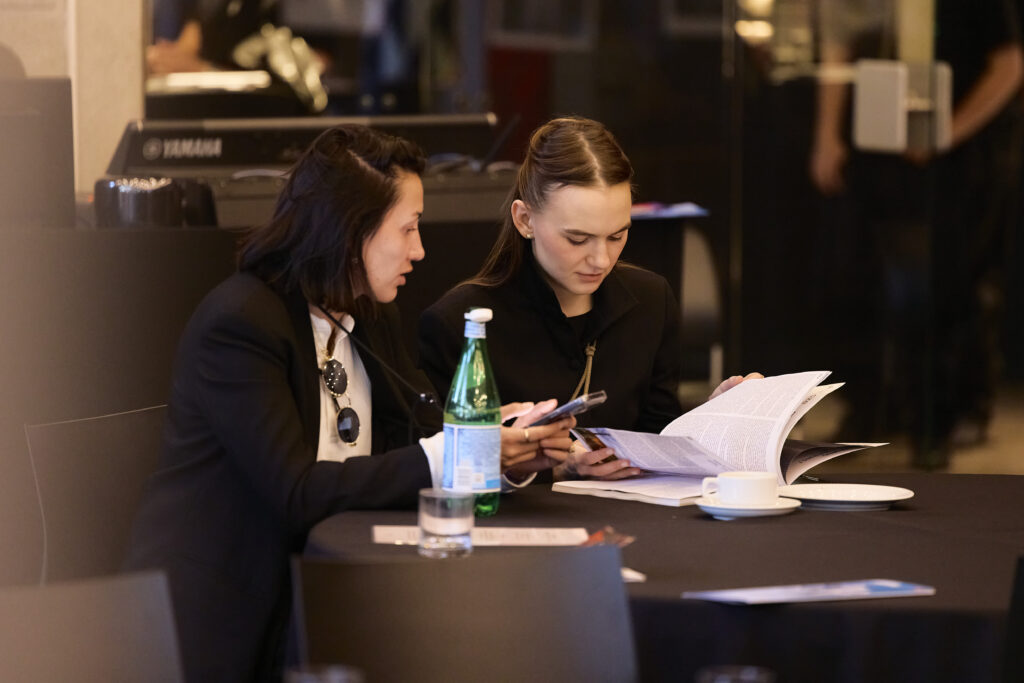
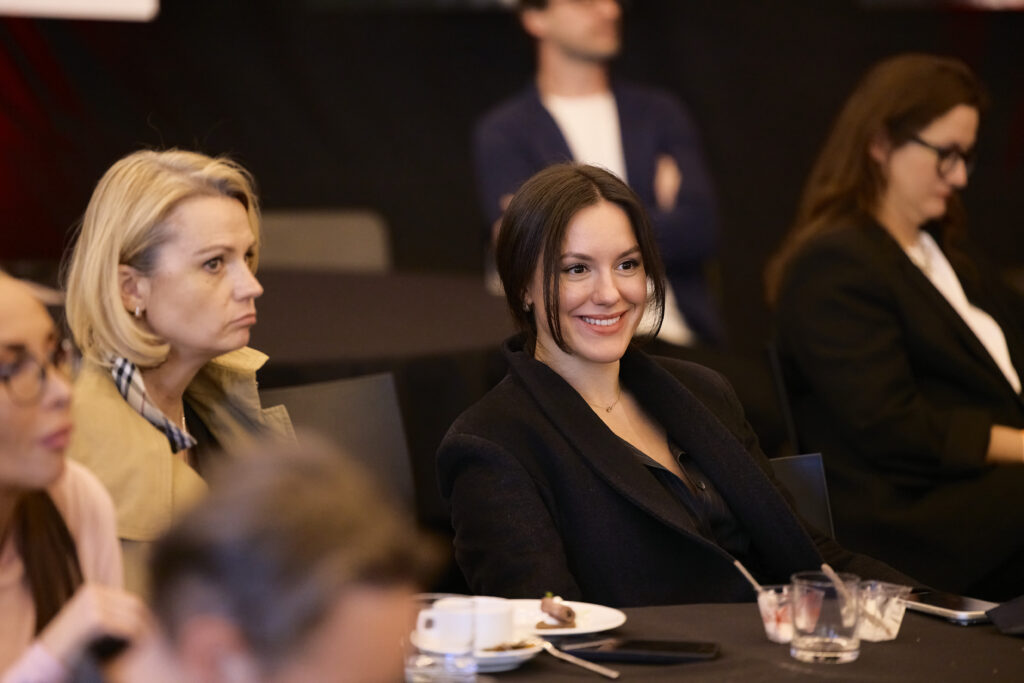
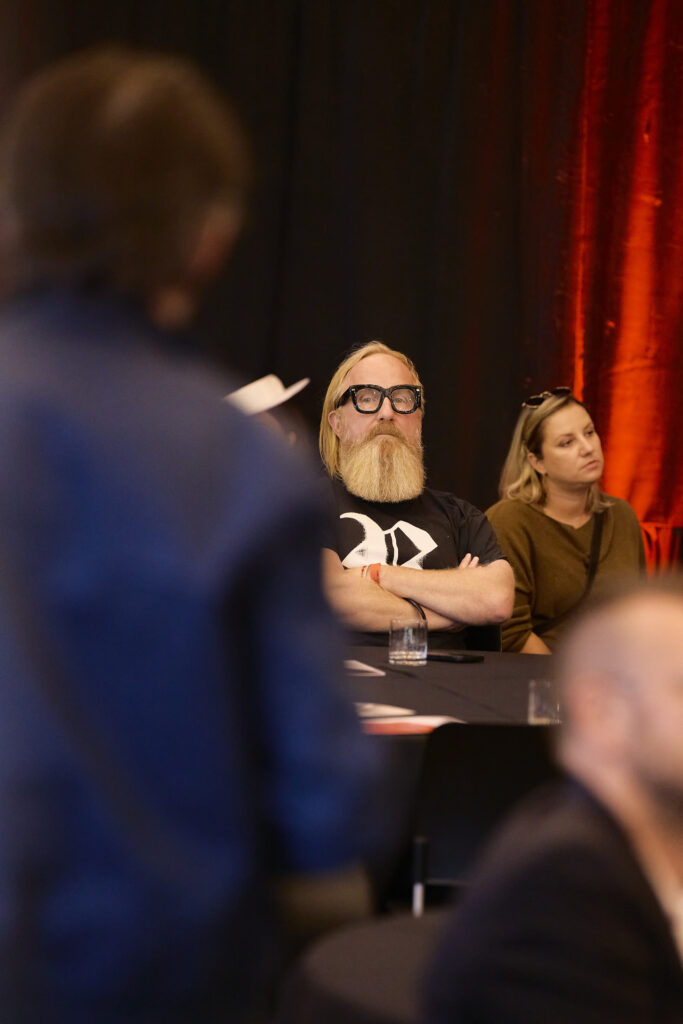
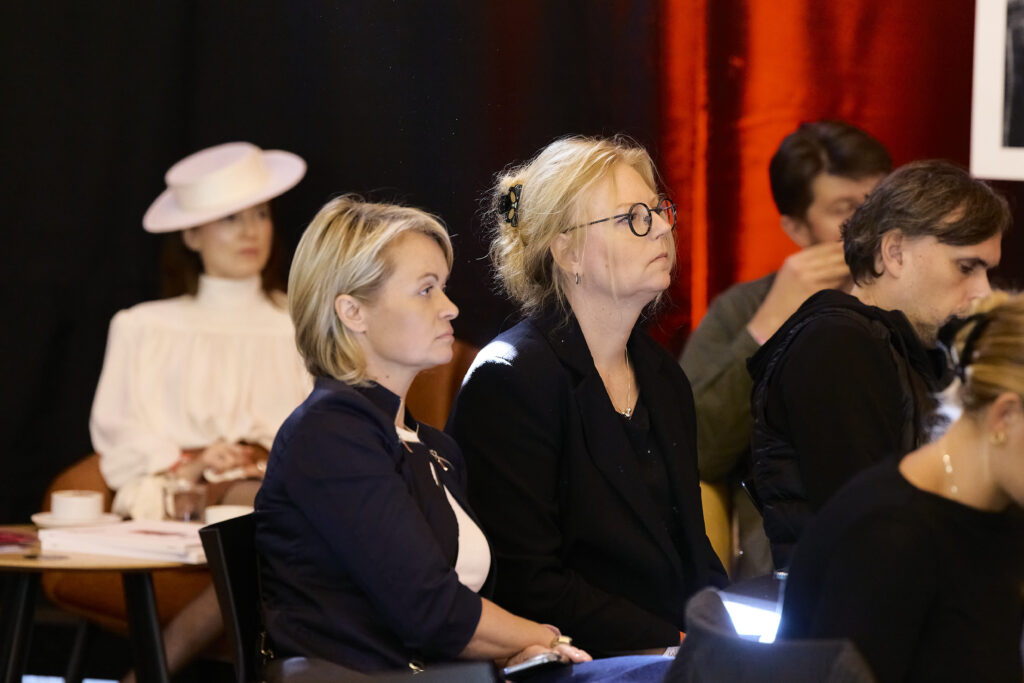
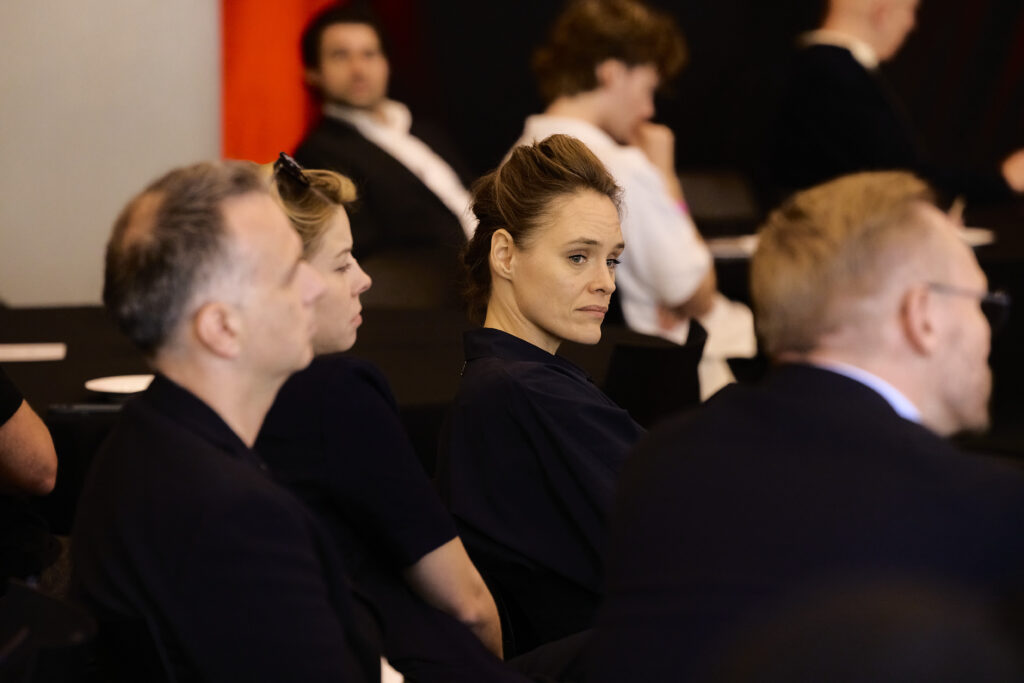
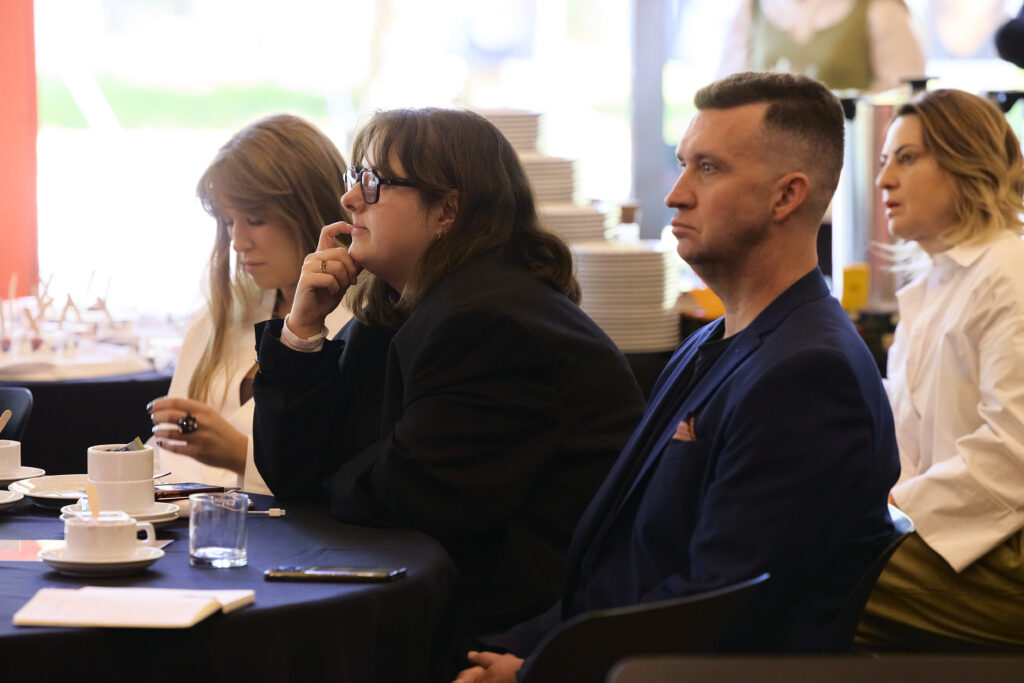
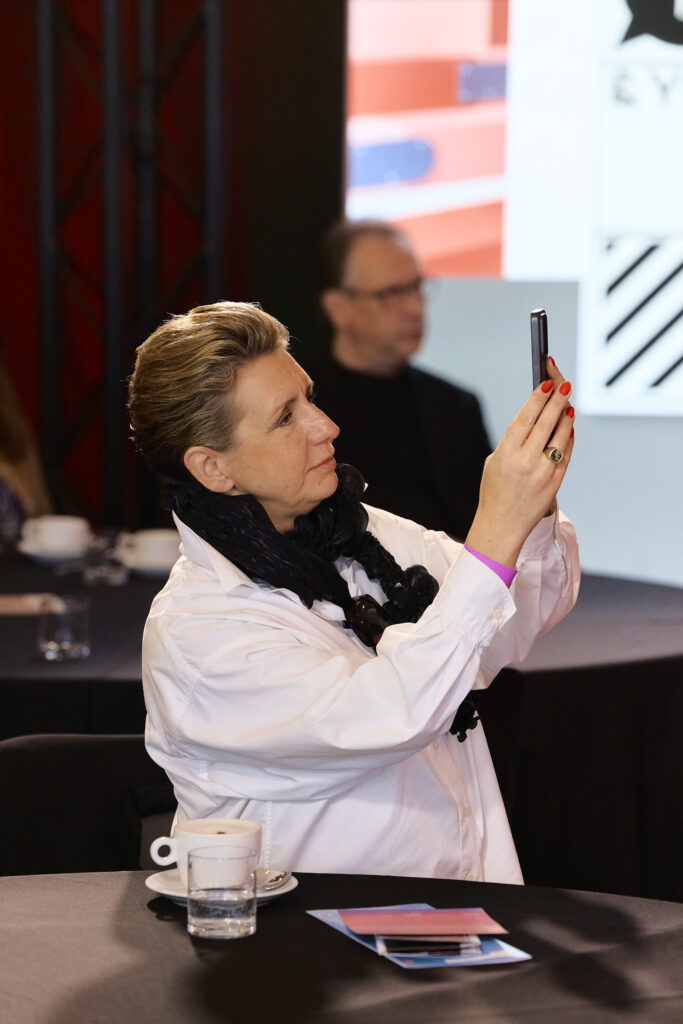
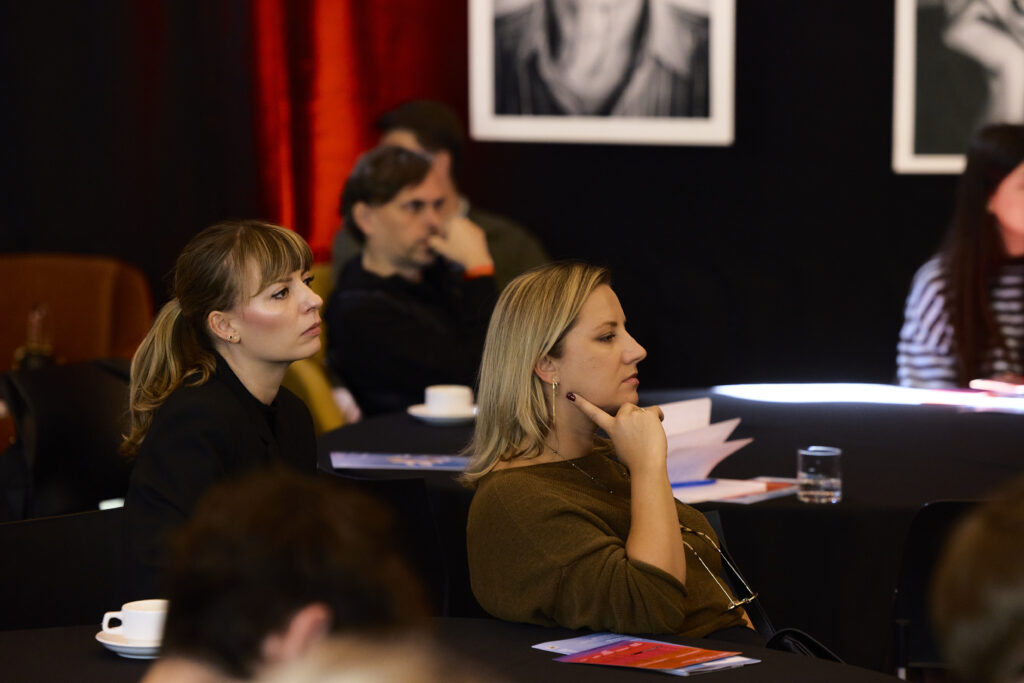
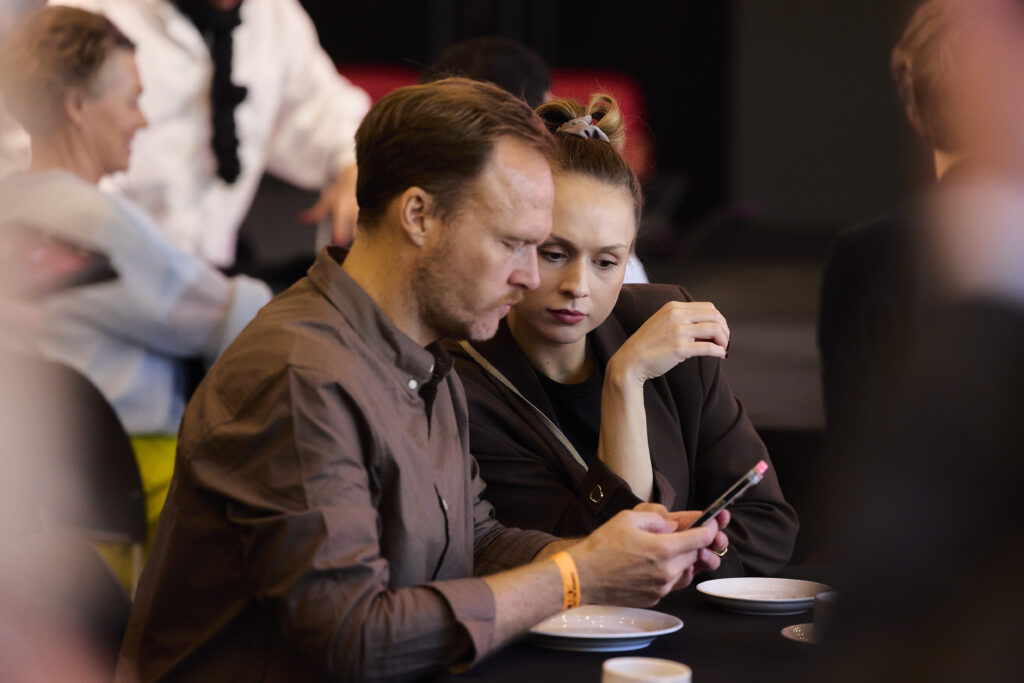
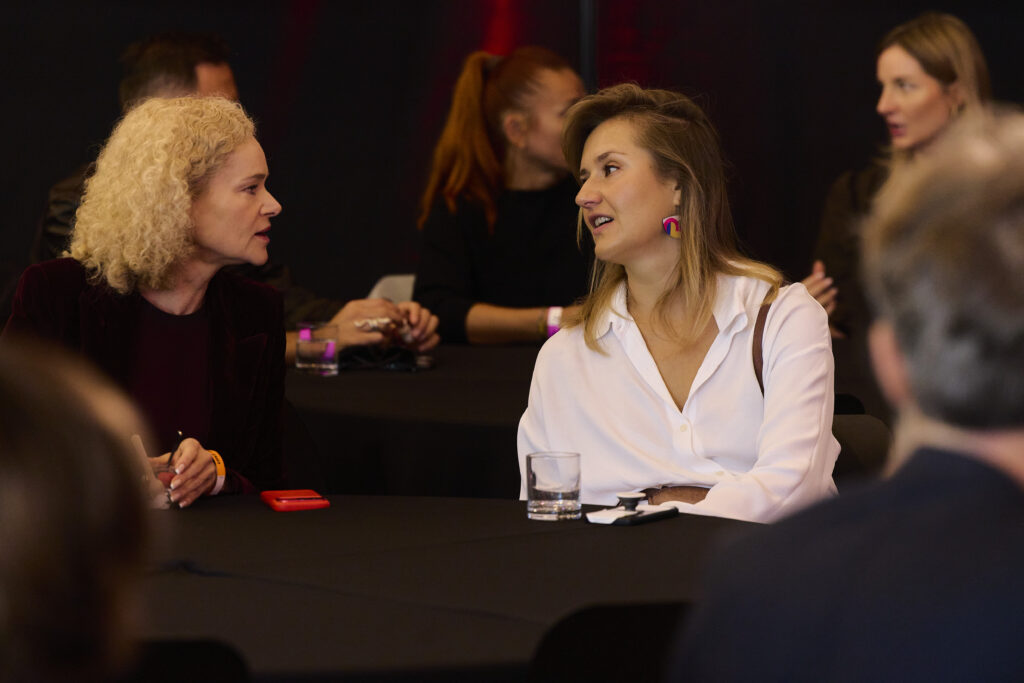
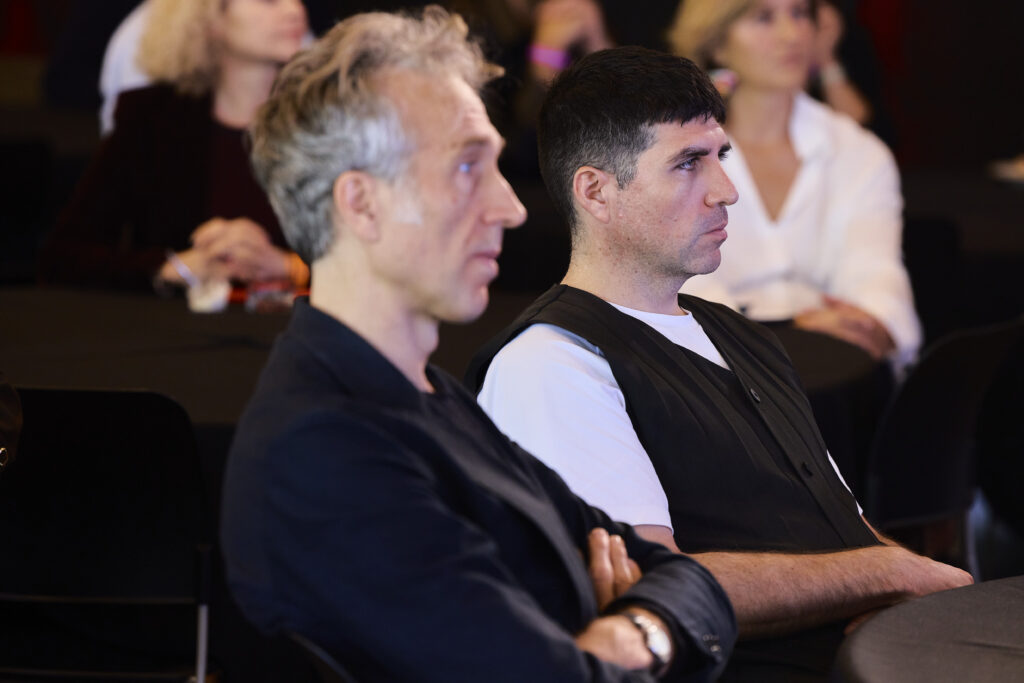
The conference’s spatial arrangement encouraged this exchange. Instead of conventional rows of chairs, there were communal tables where an architect might sit beside an entrepreneur, a manufacturer beside a designer, and a discussion sparked during a presentation could continue long after the speaker had finished.
The inaugural edition could not have taken place on this scale without the partners who chose to support its new format.
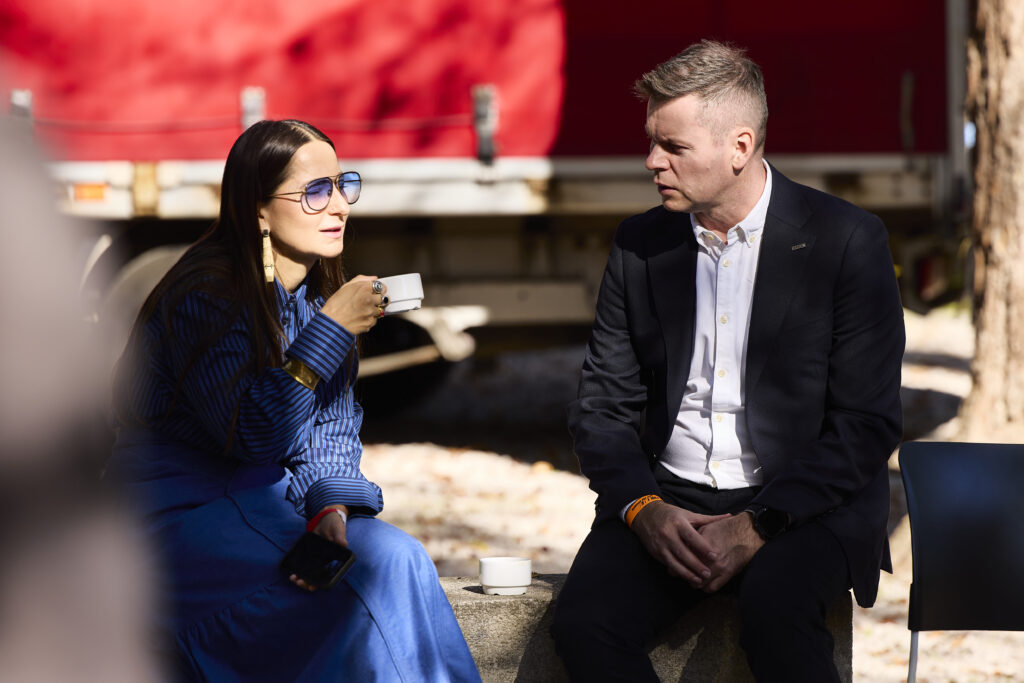
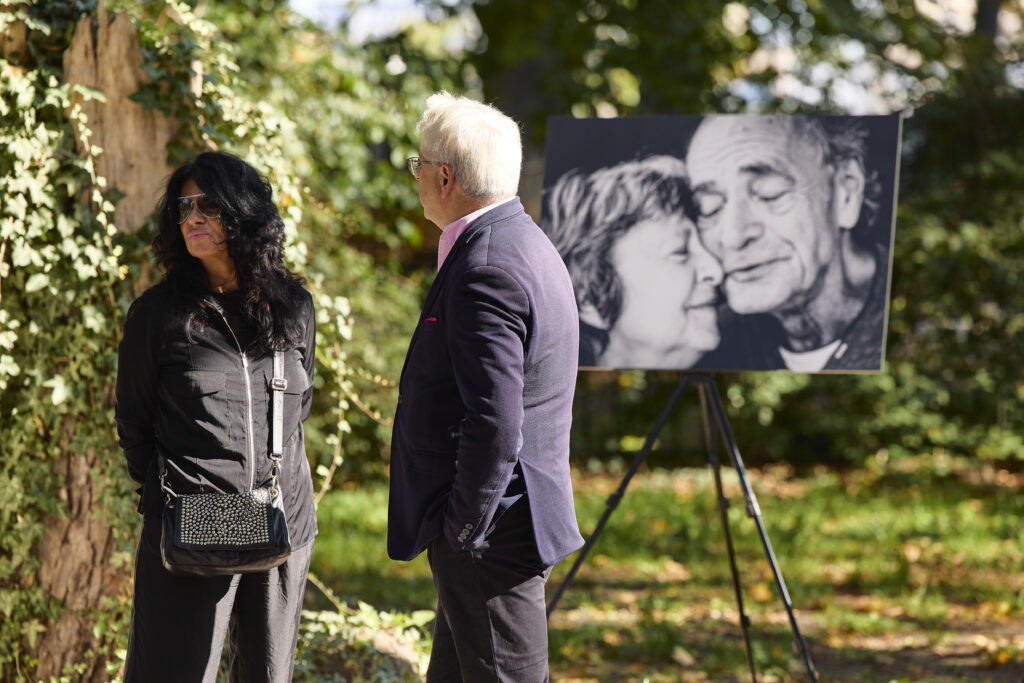
The strategic partner of Lust for Life. Lust for Business was CIFF Guangzhou, the China International Furniture Fair, one of the leading international platforms for the furniture industry, interiors, manufacturing and design. The Warsaw conference marked the beginning of an official collaboration with CIFF Guangzhou. It is the first step in a larger initiative whose ambition is to establish meaningful connections between Europe’s architecture and design communities and the manufacturing and business opportunities offered by the Chinese market.
The conference’s main partner was LD Seating, while the Association of Polish Architects served as an event partner and host at its premises at 2 Foksal Street.
The conference was also supported by BMW, USM, Jung, Muuto, Unitra, Tubądzin, Artemide, Papadeco, HUSH Office, Focus Hotel and ADVERTIS. Another event partner was ÉTÉ, the restaurant located in the gardens of the Foksal Palace, which provided the culinary experience accompanying the conference.
This list is more than an obligatory acknowledgement at the end of an event report. It illustrates the breadth of the conference’s ambitions. Architecture, design, manufacturing, technology, automotive design, lighting, materials, furniture and gastronomy all came together in one place. This is what the world of design actually looks like today. It is not an isolated island, but a system of interdependencies.
After a full day, it was worth returning to the question posed at the beginning. What happens to a good idea when it meets the market?
Sometimes the market allows an idea to find an audience and grow. Sometimes it forces compromises. It can also be merciless, exposing mistakes we had previously preferred not to see. Yet if a project is to move beyond a presentation, a competition board or a computer screen, that encounter is unavoidable.
Architecture and design have become highly articulate when discussing climate, responsibility, cities, beauty and the future. They are far less comfortable talking about how much it costs to run a practice, how to retain a team, where to find financing, how to bring a product to market, how to scale a business and how to earn a good living from their work.
Money is still sometimes treated with suspicion, as though merely discussing it could somehow diminish the value of design.
Yet the market does not begin where design ends. It is part of the same process. A well-run architectural practice can employ talented people and give them the time to do good work. A profitable manufacturer can invest in prototypes, technologies and more ambitious products. An architect who understands financing mechanisms can become involved earlier in the development process and have a greater influence on its outcome.
Profit does not guarantee quality, but a lack of economic sustainability can very quickly destroy the ability to produce it.
It was out of this conviction that Lust for Life. Lust for Business was born. ARCHISNOB and Wise Habit did not set out to subordinate design to business or reduce every idea to a figure in an Excel spreadsheet. The intention was something more fundamental: to stop pretending that big ideas and the market exist in two separate worlds.
Perhaps that was the most important lesson of the inaugural edition. Good ideas do not lose their value the moment we begin talking about money. On the contrary, that is when we start seriously considering what it will take for them to withstand the test of reality.
What will prevent them from remaining nothing more than an impressive rendering, a prototype, a competition entry or an ambitious plan? What will allow them to become an actual product, a building, a company or a transformation in the city?
The first edition did not provide a single answer, and perhaps that is a good thing. What it did reveal was how many conversations are still missing from Poland’s architecture and design community.
Conversations about money without embarrassment, about success without insecurity, about failure without disguising it, about responsibility towards people, about new technologies, but also about new ways of practising the profession. About how to maintain ambition while learning to operate in a world that rarely unfolds according to a designer’s intentions.
That is why Lust for Life. Lust for Business will return for another edition. The first conference opened a conversation that ARCHISNOB and Wise Habit intend to continue, inviting more architects, designers, entrepreneurs and people capable of crossing the boundaries of their professions.
Since it all began with Iggy Pop, it seems fitting to return to him at the end. You need an appetite to get started. Then come the work, the people, the money, the risks, a few bad decisions and, if everything goes well, success too.
The most important thing is not to lose that appetite along the way.
See you at the next edition of Lust for Life. Lust for Business.